In brief
In the ex‑industrial heartland of Osasco, shuttered factories have given way to malls and app‑driven businesses, turning a muscle‑bound working class into a gig‑economy mesh. This shift has left former Lula supporters uneasy, prompting a surge of restlessness that now drives many voters toward Flávio Bolsonaro. The runoff comes with a new social fabric: a growing evangelical influence, a rise in digital campaigning, and a challenge to Lula’s traditional labour narrative. As Lula’s legacy battles youthful “Uber‑isation,” the election becomes a referendum on whether Brazil can deliver a modern working class a new future.
In the former industrial city of Osasco, once‑busy factories have ceded to shopping malls and app‑based tech hubs, a change that has turned the city’s blue‑collar base into a fluid gig economy. The shift has rattled supporters of ex‑President Lula, who once championed the union‑led, factory‑powered model of the working class.
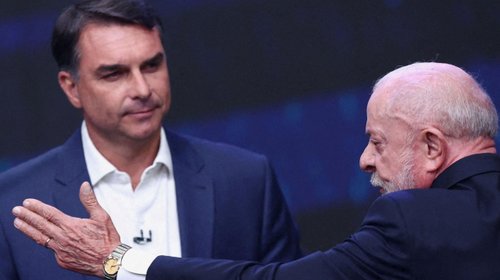
The area had backed Lula in 2022 but swung to Flávio Bolsonaro in the first round of this year’s presidential election. Bolsonaro’s win set a run‑off for Sunday, marking another historic moment as every first‑round winner since 1989 has eventually become president.
Union leader Gilberto Almazan tells the story of Lula’s rise from a northern‑Brazilian child starved in poverty to a metalworker, a union head and a three‑time president—confronting his own country as factories close and malls rise. He notes, “The profile of the working class changed. They are no longer predominantly industrial workers, they are service workers.”
Voluntarily, many Bolsonaro backers here cannot pin their support to specific policies, but they express a desire for change: “I am frustrated by the economy, crime and corruption,” one voter says, despite Bolsonaro’s own corruption accusations.
The rise of the gig economy—Uber‑isation, food‑delivery, small stalls—has pulled the nation into a new work reality. When a market stalls sells hot‑dogs and Bites, a vendor now uses a portable card reader, a far cry from the diction of organised labor.
Under Lula, unemployment hit record lows and Brazil was removed from the UN Hunger Map, yet the same citizenry faces rising costs and household debt. Former civil servant Robson says the country’s highest tax burden forces a choice between a car instalment or putting food on the table.
Meanwhile, evangelical churches are growing in a population that once leaned on social programmes. Conservative pastors wield powerful political influence, with pastors like Silas Malafaia publicly aligning with Bolsonaro’s stance on family values and abortion. These sermons, streamed live on YouTube, serve as town halls for communities who feel Unrealized hope.
In favelas such as Maré, higher abstention rates were due to both logistical changes and a sense of bleak future. A young mother in the slum credits Lula for raising the minimum wage and improving access to medicine, but she fears a police raid if the gang‑linked election decree is enacted.
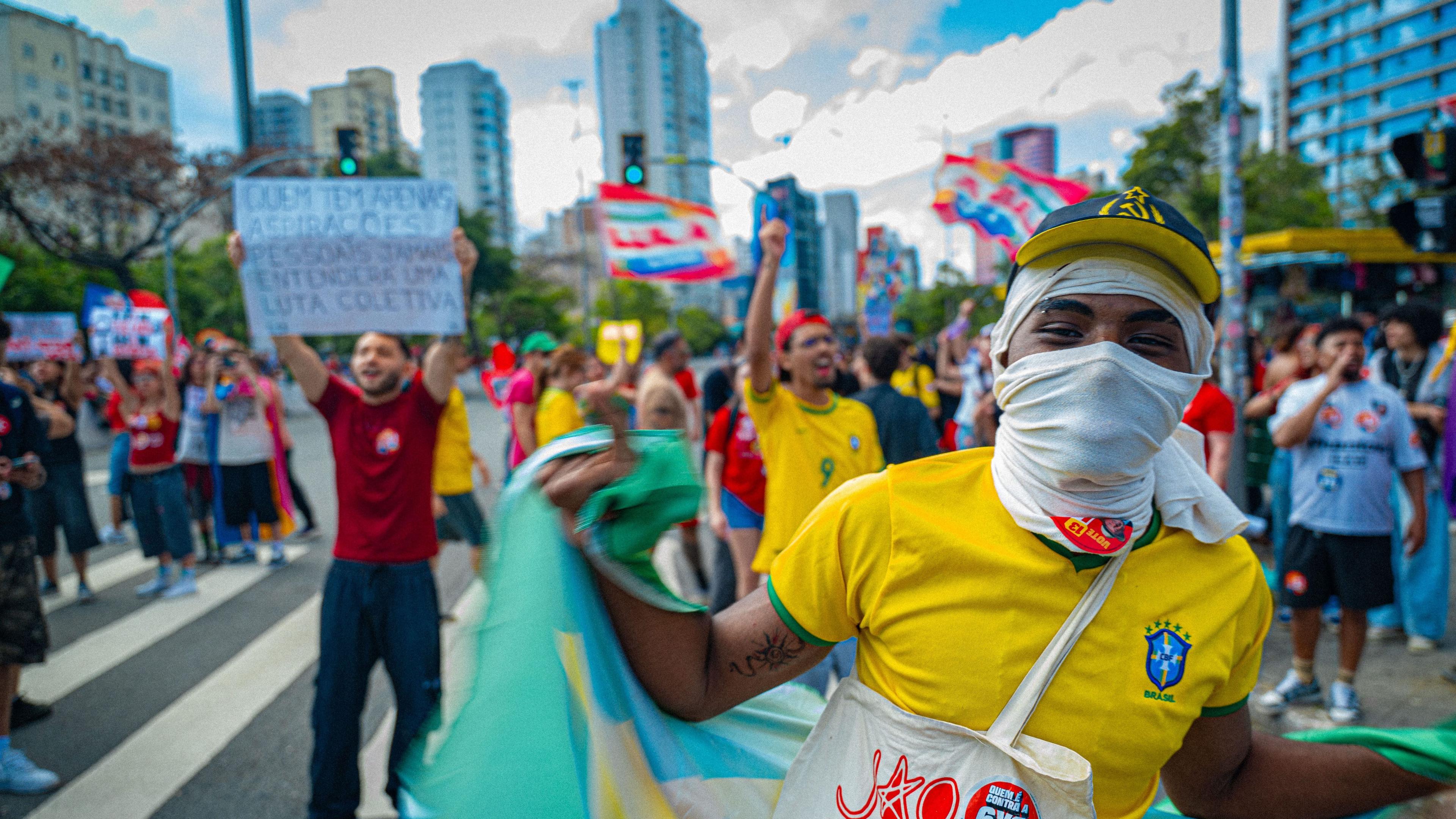
Across the nation, Lula’s campaign is trying to mobilise students and the restless, urging them that world‑changing moves happen through turnout. In the face of a changing work lifestyle, voters face a choice: will Lula adapt his platform to the new urbanites or will Bolsonaro’s promise of change win champions?
As the run‑off approaches, the political arena becomes a living laboratory for the evolving Brazilian citizen—moving from manufacturing hubs to online marketplaces, from union halls to youth‑run cities.