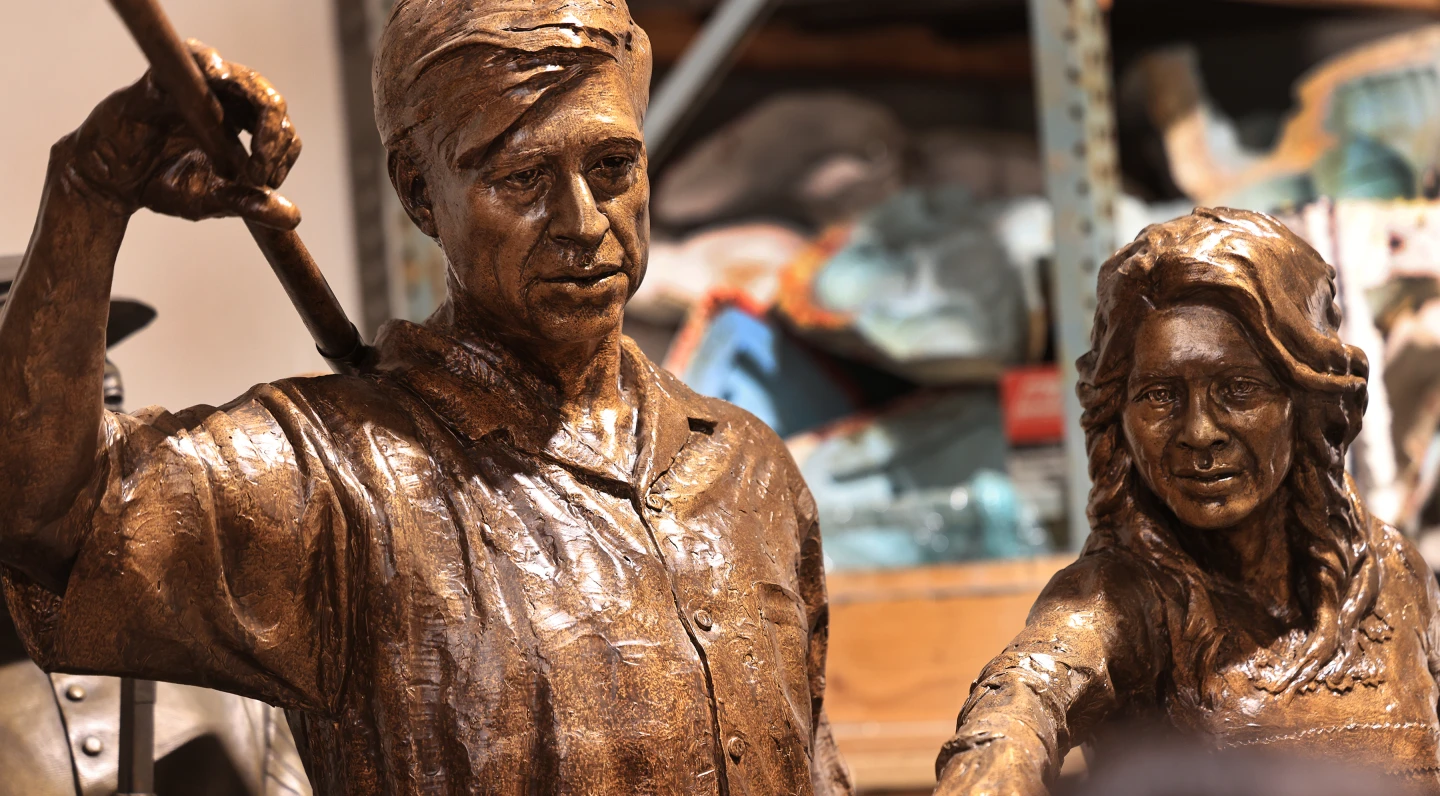
César Chavez and Dolores Huerta are iconic figures celebrated for leading the labor rights movement that significantly improved conditions for farmworkers. However, recent allegations of sexual abuse against Chavez have prompted a reevaluation of their legacies.
Chavez, who passed away in 1993, co-founded the National Farm Workers Association, laying the groundwork for better wages and working conditions for agricultural laborers across the United States. But with new accusations emerging, including claims against Huerta, many organizations have canceled events planned for this month to honor Chavez's legacy.
As a result, discussions have arisen about the complexities of their historical contributions and the accusations now shadowing them. In light of this, numerous institutions are reflecting on Chavez and Huerta's impact, while also acknowledging the need to confront these serious allegations.
Paul Ortiz, a labor history professor at Cornell University, emphasized the significance of the farmworker movement, stating it brought about unprecedented improvements in agricultural working conditions, which had long been neglected. While advocates celebrated the progress made, the struggle against abuse and inequality remains a critical part of this narrative.
Chavez and Huerta inspired generations to fight for labor rights, with legislation recognizing farmworkers' rights emerging directly from their efforts. Both activists continue to hold a prominent place in American history, reflected in schools, streets, and national observances.
Despite the heavy cloud of controversy, supporters highlight Huerta’s legacy, including her activism for women's rights and community empowerment, as well as her impactful slogan, 'Sí, se puede,' embodying the spirit of resilience among Mexican-American communities.
The road ahead necessitates a careful balance between honoring significant achievements while acknowledging serious grievances, as advocates and historians navigate the evolving conversations on these labor rights icons.