In brief
Kenya has identified a second Ebola patient, a 39‑year‑old relative of the first case who fell ill while in quarantine. The ministry stresses the disease’s incubation period and the importance of early detection. Authorities report no evidence of community transmission and maintain that the country remains open to travel, trade and public gatherings. The outbreak is linked to the Democratic Republic of Congo, where over 4,000 deaths have occurred. Health officials urge vigilance and prompt medical care for symptoms such as fever, vomiting and unexplained bleeding.
Kenya confirms a second Ebola case—a 39‑year‑old man related to the first patient—shortly after the initial case passed away ten days ago. The new patient had been in quarantine when he fell ill, and the health ministry says early detection gave him a better chance of recovery and limited further spread.
Officials state that the two cases are linked, with no evidence of community transmission. “Kenya remains open, with no restrictions on travel, trade or public gatherings,” the ministry added, urging people to stay calm yet vigilant.
The first fatal case, a 40‑year‑old businessman, died after travelling from the Democratic Republic of Congo via Uganda to Nairobi. The ministry traced contacts to 128 people; 113 have been identified, with 108 already in quarantine and the rest still being tracked.
The outbreak in the DRC, which began in May, belongs to the Bundibugyo strain of Ebola—a rare type with no approved vaccine, although trials are underway. In Kenya, the virus spreads through contact with infected bodily fluids such as blood and vomit, and symptoms include fever, vomiting, diarrhoea and unexplained bleeding. Rapid testing and treatment are critical to containment.
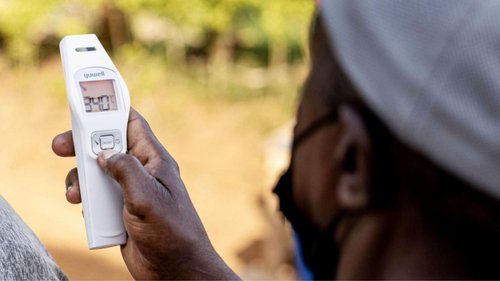
Health experts highlight the limits of airport temperature checks and self‑declared screenings, underscoring the need for robust surveillance and community engagement to prevent further spread.