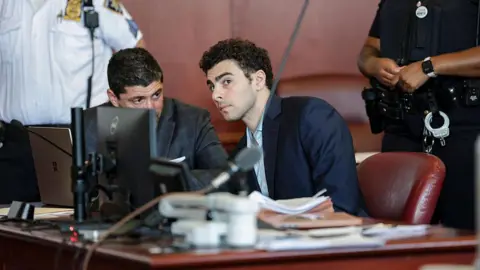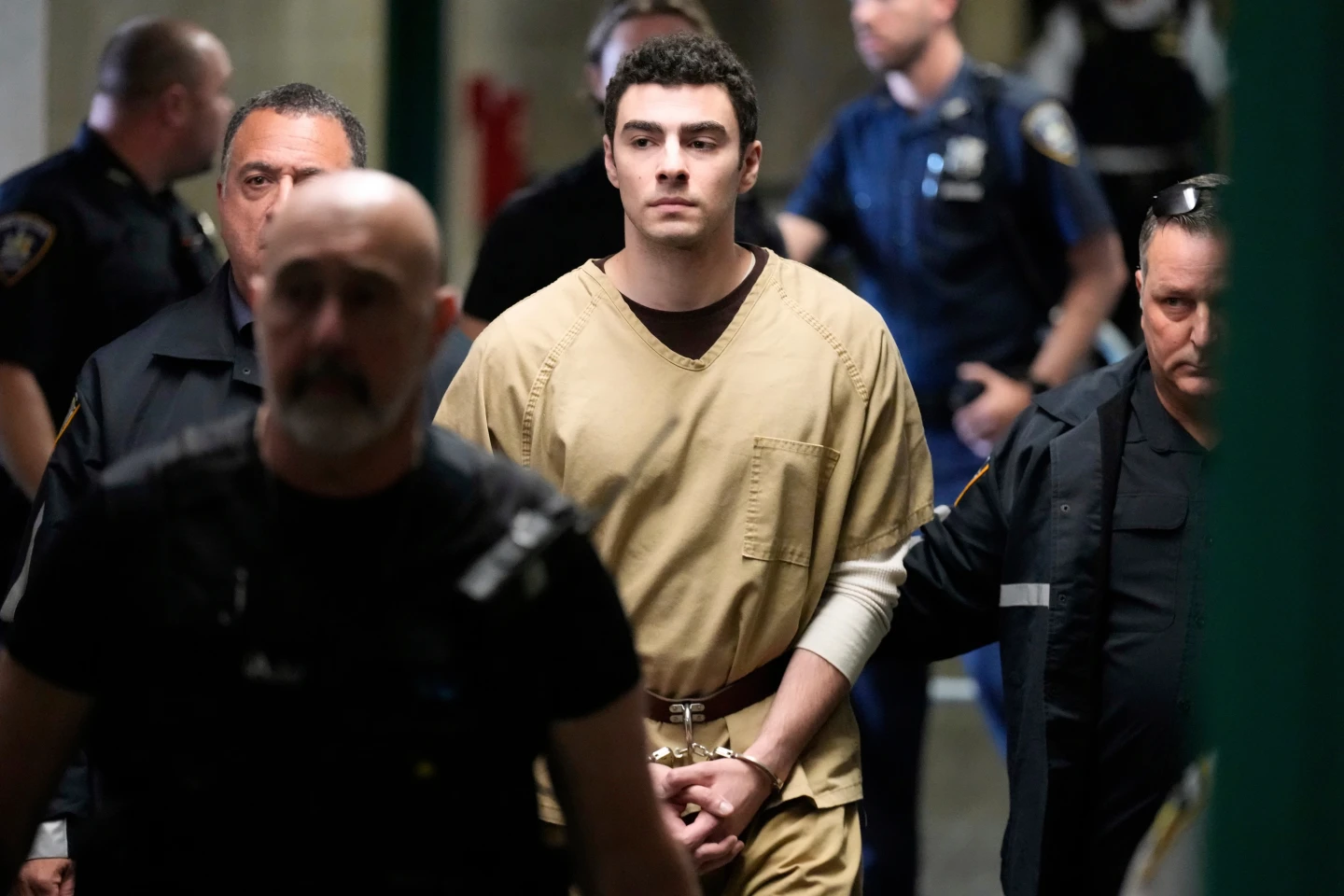
NEW YORK (RTW News) — A judge on Wednesday granted Luigi Mangione only a slight delay for his federal trial in the killing of UnitedHealthcare CEO Brian Thompson, rescheduling it from September 8 to October 5, rather than shifting it into next year as his defense team requested.
U.S. District Judge Margaret Garnett based her decision on the timeline of Mangione's state murder trial, which is set to commence on June 8 and may last four to six weeks. She rejected the defense's push to postpone the federal proceedings until January or February 2027, asserting that such a move would not effectively resolve the overlapping concerns.
Judge Garnett expressed skepticism towards pushing the federal case completely into 2027, emphasizing that it shifted the existing challenges from summer to fall. Jury selection in the federal matter is now set for October 5, with opening statements and testimony to begin October 26.
During the hearing, Mangione, 27, reiterated his not guilty plea. Both trials carry the potential for a life sentence upon conviction. “There really is no way around taking into account the events in the state case,” Garnett said. The arrangement of the schedules will allow Mangione adequate time to prepare for the jury selection process without conflict with the state trial.
Mangione’s lawyers argued that holding two trials in close succession could violate his constitutional rights. In February, they asserted that the dual trials represented a form of double jeopardy. Notably, the federal case will proceed with stalking charges remaining intact after some counts were dismissed earlier this year by the judge.
Thompson, 50, was shot on December 4, 2024, as he approached a hotel in Manhattan for a conference. His killing has garnered considerable media attention, especially following subsequent developments regarding Mangione's arrest.
Mangione, a University of Pennsylvania alumnus, was arrested shortly after the incident while dining at a McDonald's approximately 230 miles from New York. His defense has claimed that the handling of his arrest constituted prejudicial treatment, further complicating the proceedings.
The judge's latest ruling tightens the timeline, leaving little room for adjustment to the state trial, which raises double jeopardy concerns should a jury become sworn in during either trial.