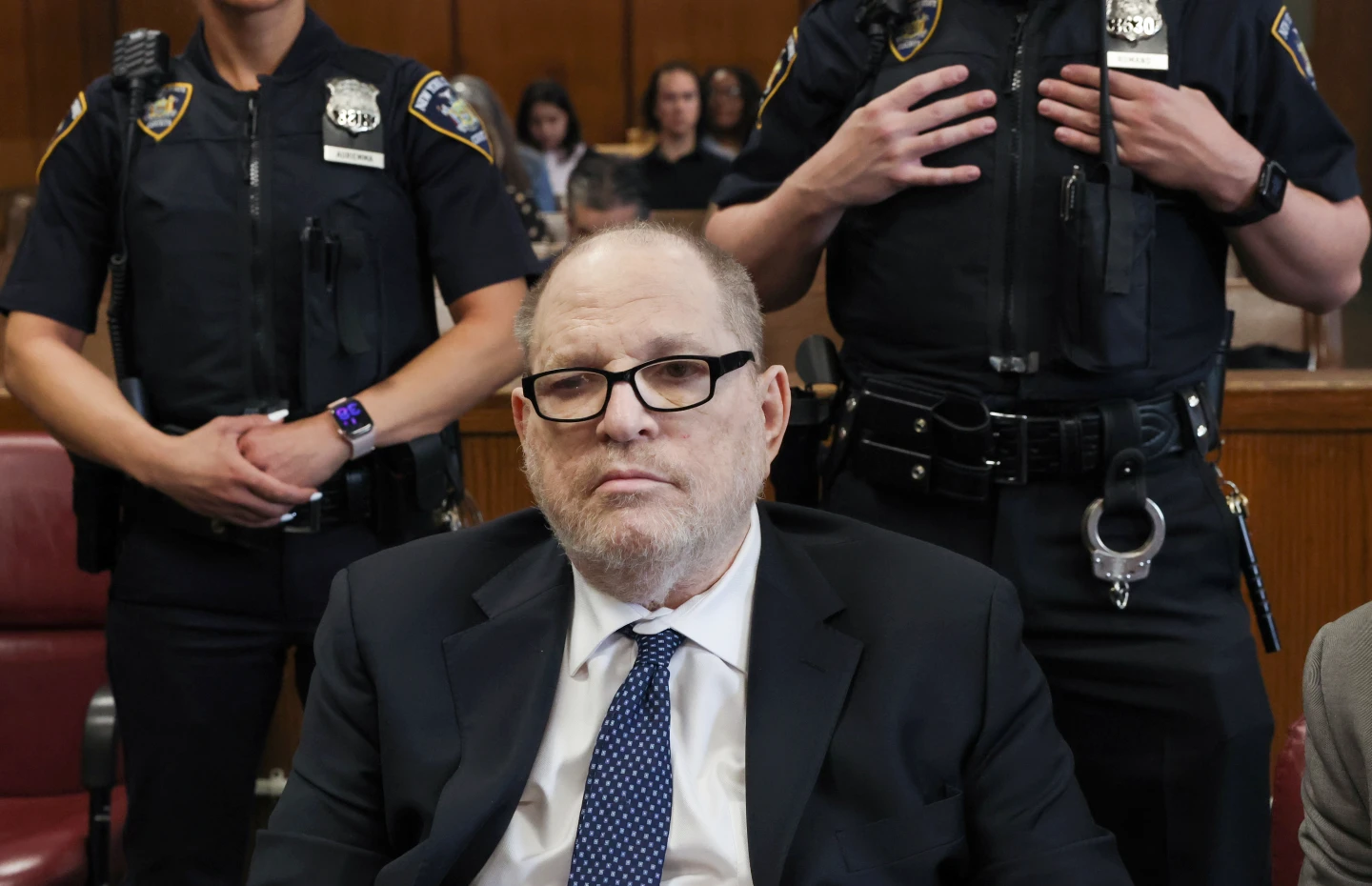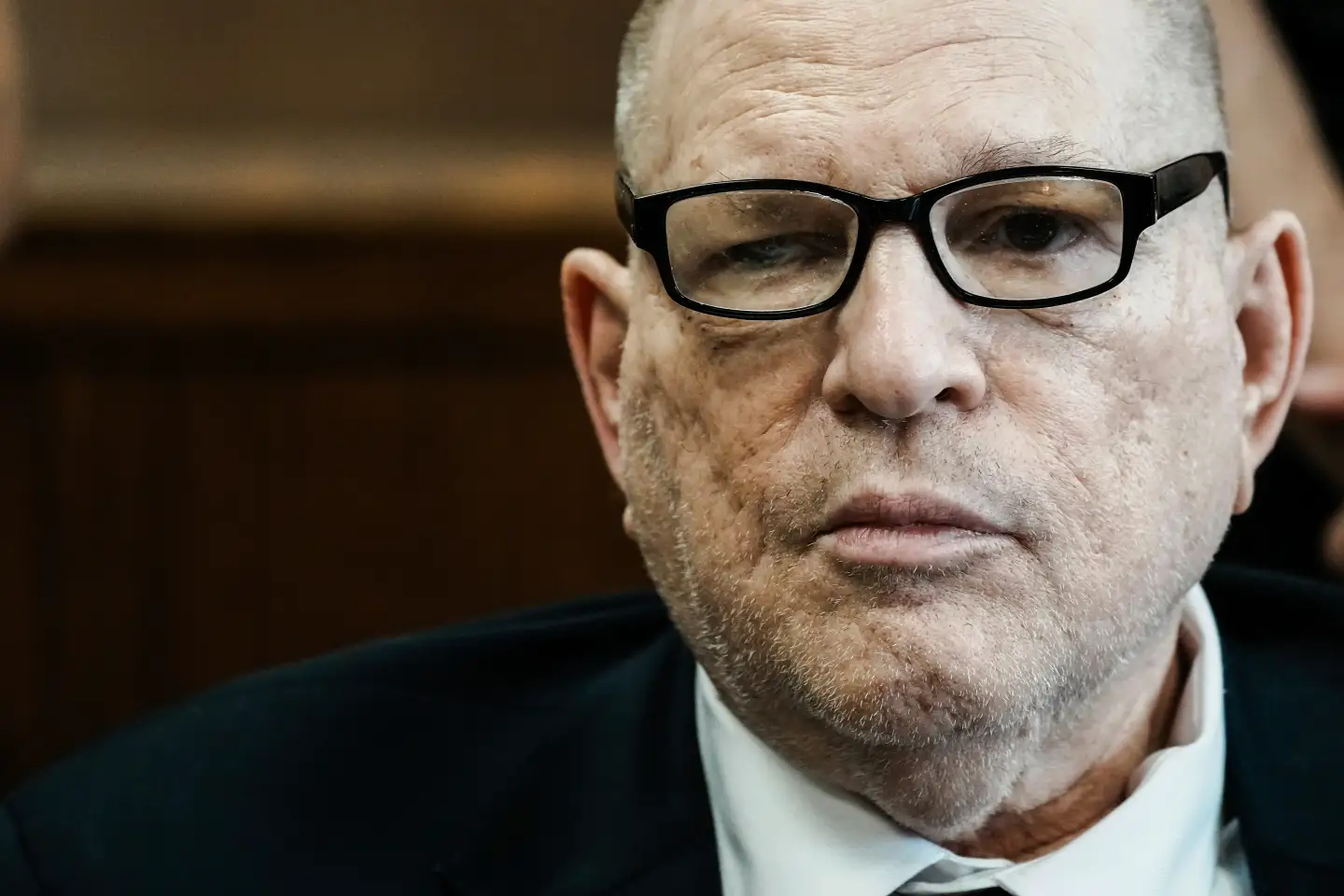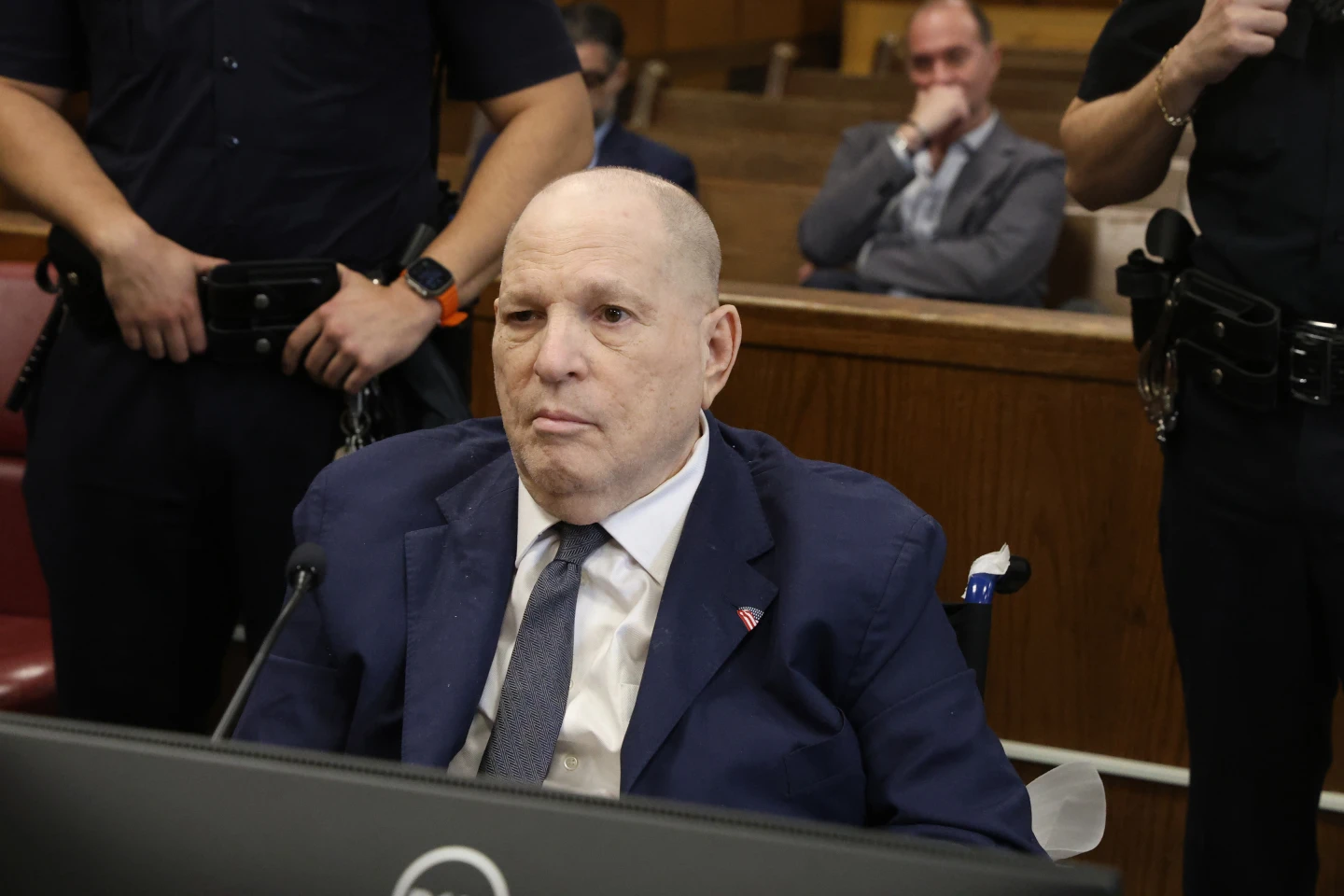
Harvey Weinstein, once a titan of Hollywood, is poised to return to the courtroom as his latest trial for rape kicks off in New York City. With jury selection beginning shortly, Weinstein faces a solitary charge concerning allegations made by hairstylist and actress Jessica Mann, relating to an incident that allegedly took place in a Manhattan hotel in 2013.
This trial marks a significant reduction in scope from prior legal proceedings. Rather than tackling an array of accusations, jurors will decide solely on Mann's allegations, which Weinstein denies. His new lawyer, Marc Agnifilo, emphasized last month that this retrial promises to differ considerably from those that preceded it.
The case has been altered by both the focus and the legal representation, as Agnifilo and his firm recently replaced longtime attorney Arthur Aidala. While Aidala employed a more laid-back approach, Agnifilo is known for a more formal strategy in the courtroom. Judges have indicated they may reconsider what evidence regarding Weinstein's and Mann's past interactions can be presented to the jury.
Weinstein's past has been fraught with challenges since the #MeToo movement surged in 2017, resulting in multiple sexual assault allegations that have led to his conviction on several charges. Notably, his previous attempts at a plea deal have failed, leading him to opt for continued legal battles to clear his name.
As the trial looms, the former producer's age—now 73—and health issues, including his reliance on a wheelchair, further complicate the narrative surrounding his legal tribulations. In recent court appearances, Weinstein has expressed the distressing notion that he may die in prison, heightening the somber reality of his circumstances.
The outcome of this trial is pivotal not just for Weinstein but may also resonate within the broader discourse surrounding accountability in the entertainment industry in the wake of the #MeToo movement.