In brief
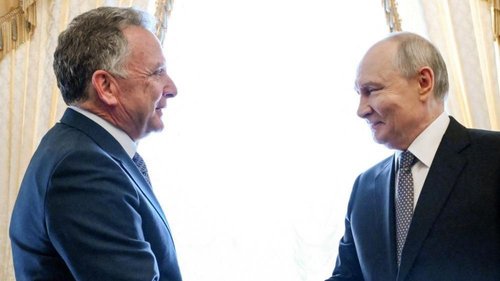
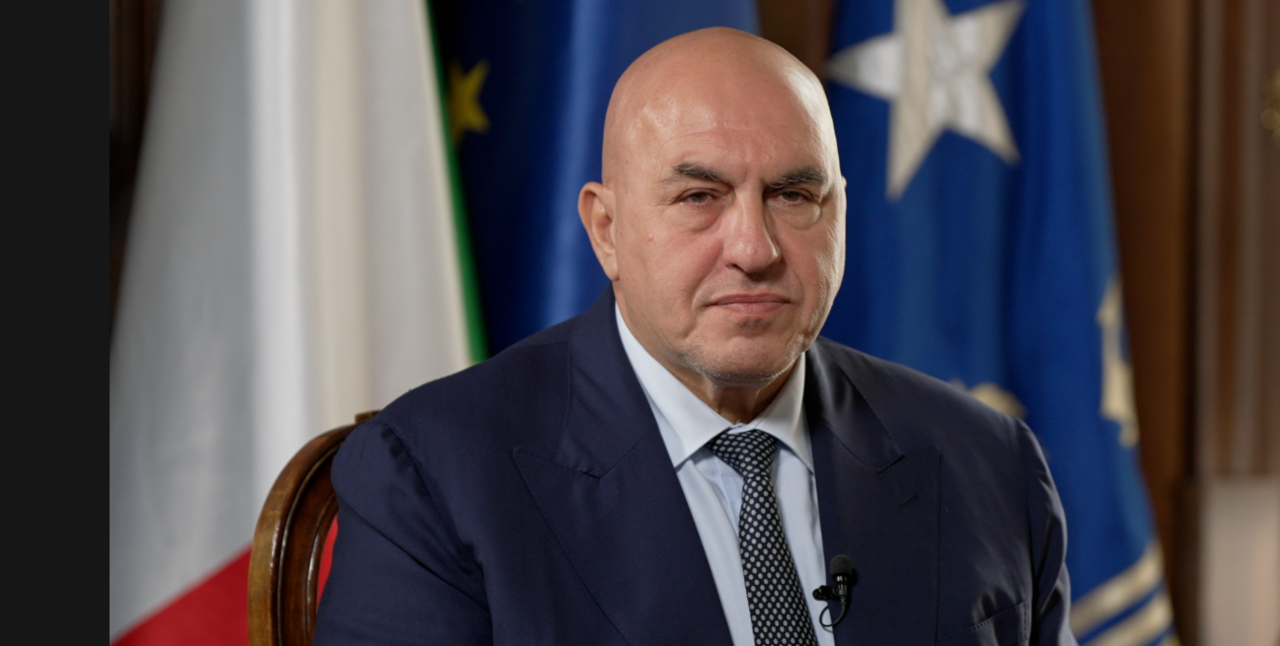
In a stark BBC interview, Italian Defence Minister Guido Crosetto condemned the United States’ decision to restrict satellite reconnaissance and early‑warning alerts for Ukraine, calling the policy “a major mistake.” Crosetto warned that any weakness posed to Kyiv could embolden Moscow and prolong the conflict. The Italian minister also criticised Prime Minister Giorgia Meloni’s earlier support for a U.S. diesel purchase deal with Russia, arguing it gave the Kremlin legitimacy during its bombing campaigns. As Italy looms closer to elections, Crosetto vowed continued military aid for Ukraine, though he noted parliamentary approval may become tougher. The comments underscore Italy’s growing tension with the U.S. over its support for a war‑torn neighbour.
Italy’s defence minister has said it is a “complete mistake, a major mistake” for the US to limit access to satellite systems and intelligence used by Ukraine to defend itself against Russian attacks.
In a BBC interview, Guido Crosetto warned that US President Donald Trump’s administration’s “decision … makes absolutely no sense” and that it could prolong Russia’s full‑scale invasion rather than ushering in peace.
United States officials maintain that Trump has not directed a slowdown of internet speeds provided to Kyiv, nor has the US halted early‑warning alerts of Russian aerial attacks. Polled statements from the White House deny that the US has halted any support.
Crosetto’s remarks come as Italy’s coalition government, led by Prime Minister Giorgia Meloni, has been a staunch ally of Ukraine, dispatching both military and humanitarian aid. Meloni herself criticised the US diesel purchase deal with Russia, accusing the agreement of lending the Kremlin legitimacy while it bombed Ukrainian cities.
“If Putin sees weakness on the Ukrainian side – and if the US deprives Ukraine of resources, that creates weakness – then he will believe he can win. So he will continue the war,” Crosetto warned, echoing his belief that the United States is “completely wrong” to pursue such restrictions.
The Italian minister, a co‑founder of Meloni’s hard‑right Fratelli d’Italia party, emphasised that the country will continue to supply arms to Ukraine as long as his government remains in power, though he acknowledged getting Parliament to approve further deliveries may become harder with elections approaching.
Crosetto also accused Moscow of running a campaign of disinformation targeting certain political figures and pushing narratives that weaken opposition to Russia, adding that the public’s anger over rising fuel costs puts pressure on officials to consider concessions to Russia – a stance he labels dangerous for Europe’s security.
While Italy has not faced major sabotage operations unlike other allies, the minister noted cyber‑attacks linked to Russia, which he said occur on a daily basis, highlight the need for stronger European cyber defences.
With support for Ukraine already dwindling among some Italian voters – an Ixè Institute poll found only 18 per cent backing continued arms shipments – the debate over Italy’s role in the conflict is set to intensify as the May 2027 parliamentary election looms. Crosetto’s commentary underscores mounting frustration in Italy over the costs and risks of foreign military aid.