Israel's Recognition of Somaliland: Unpacking the Controversy and Implications
Israel has taken the controversial decision to recognise the breakaway state of Somaliland as an independent nation, sparking condemnation from many countries.
China is the latest to condemn the decision, with its foreign ministry spokesperson Lin Jian stating: No country should encourage or support other countries' internal separatist forces for its own selfish interests. This response came ahead of an emergency session of the UN Security Council discussing Israel's recognition.
On Friday, Israel became the first country to acknowledge Somaliland as a standalone republic, more than 30 years after the region declared independence from Somalia.
Somaliland's president hailed the development as a historic moment, but Somalia has rejected Israel's move as an affront to its sovereignty. Numerous countries and organisations, including Turkey, Saudi Arabia, and the African Union, also voiced their disapproval.
Why does Somaliland want independence?
Somaliland, located on the coast of the Gulf of Aden, declared independence in 1991 after the fall of military dictator Siad Barre. Despite not being internationally recognised, it operates with a functioning government, political system, and currency.
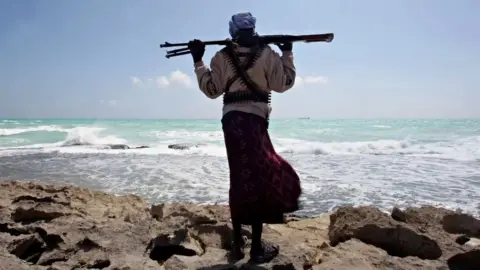
The region has a history distinct from the rest of Somalia, once being a British protectorate. Advocates for Somaliland's independence emphasize its stability compared to the rest of Somalia, which continues to face violence from Islamist militants.
However, the Somali government insists Somaliland remains integral to its territory, with President Hassan Sheikh Mohamud deeming Israel's declaration an existential threat to Somalia's unity.
Israel's Motivations for Recognition
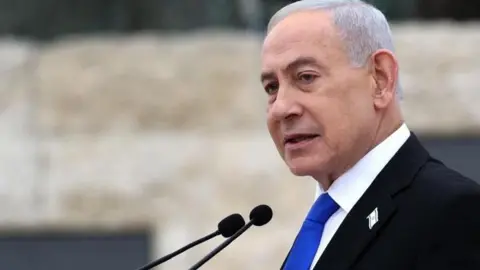
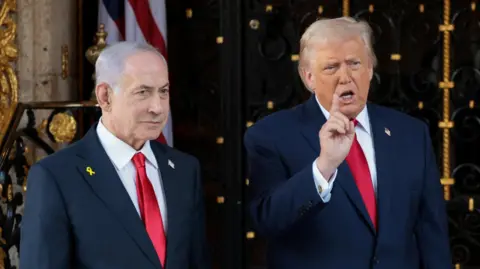
In a phone conversation with Somaliland President Abdirahman Mohamed Abdullahi, Israeli Prime Minister Benjamin Netanyahu stated the recognition supports Somaliland's right of self-determination and opens opportunities for a partnership.
Strategic interests are also at play, particularly Israel's need for allies in the Red Sea amid ongoing tensions with Iran and the Houthis in Yemen. Analysts suspect this recognition serves to counter Iranian influence in the region.
International Condemnation
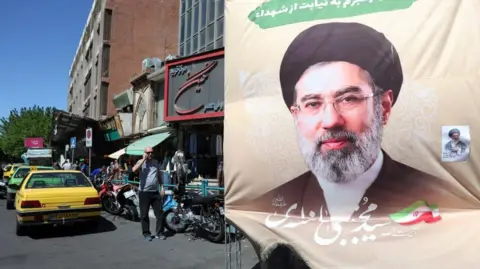
Israel's recognition has faced backlash from numerous countries, including Egypt, Turkey, and Iran, who cite Somalia's territorial integrity and the potential to set a dangerous precedent for separatist movements.
The African Union has raised alarms that this could destabilize the region as other separatist groups may seek similar recognition or alliances.
Support for Israel's Recognition
While many nations have denounced Israel's decision, allies of Somaliland have largely remained silent. For example, the UAE, which has vested interests in the region, has not publicly supported the recognition.
This ambiguity in response suggests potential alignment between Israeli and Emirati interests without openly endorsing Israel's move.