Iran Deal Ends Trump’s War, Highlighting Limits of US Power
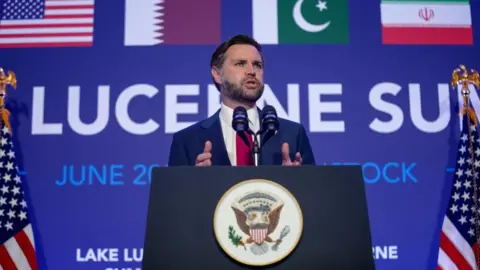
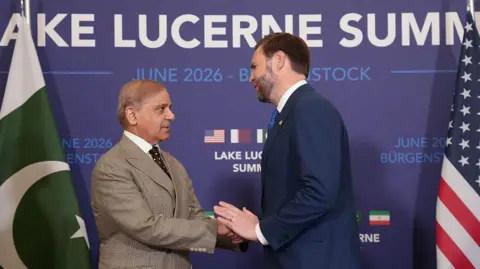
The war that began on 28 February, orchestrated by President Donald Trump and Prime Minister Benjamin Netanyahu, is finally over thanks to a recently signed U.S.–Iran memorandum of understanding.
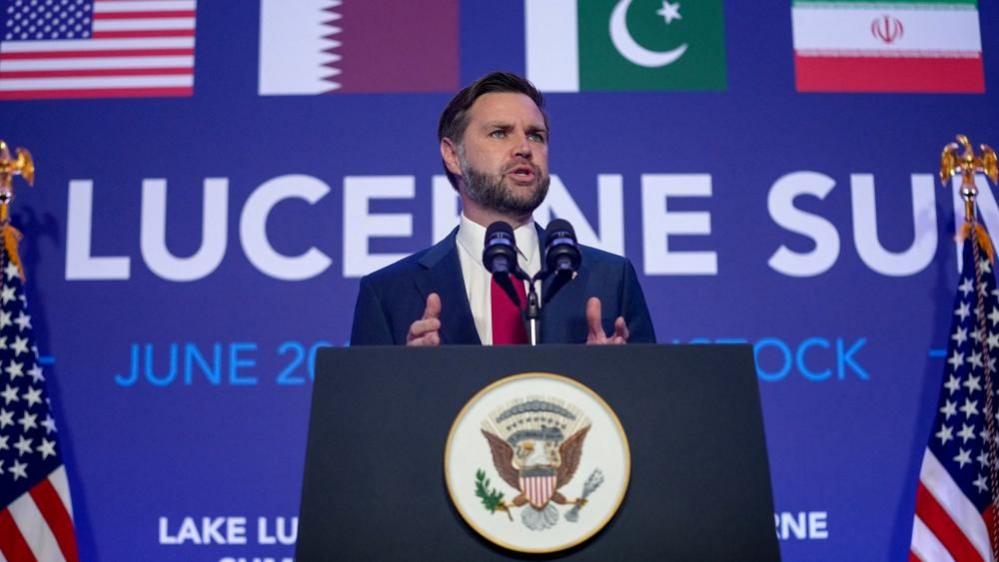
The deal, a 14‑point, two‑page agreement, reopens the vital Strait of Hormuz, lifts the U.S. Navy’s blockade of Iranian ports, and extends a cease‑fire while putting the most contentious issues—principally Iran’s nuclear programme—on the table for future negotiations.
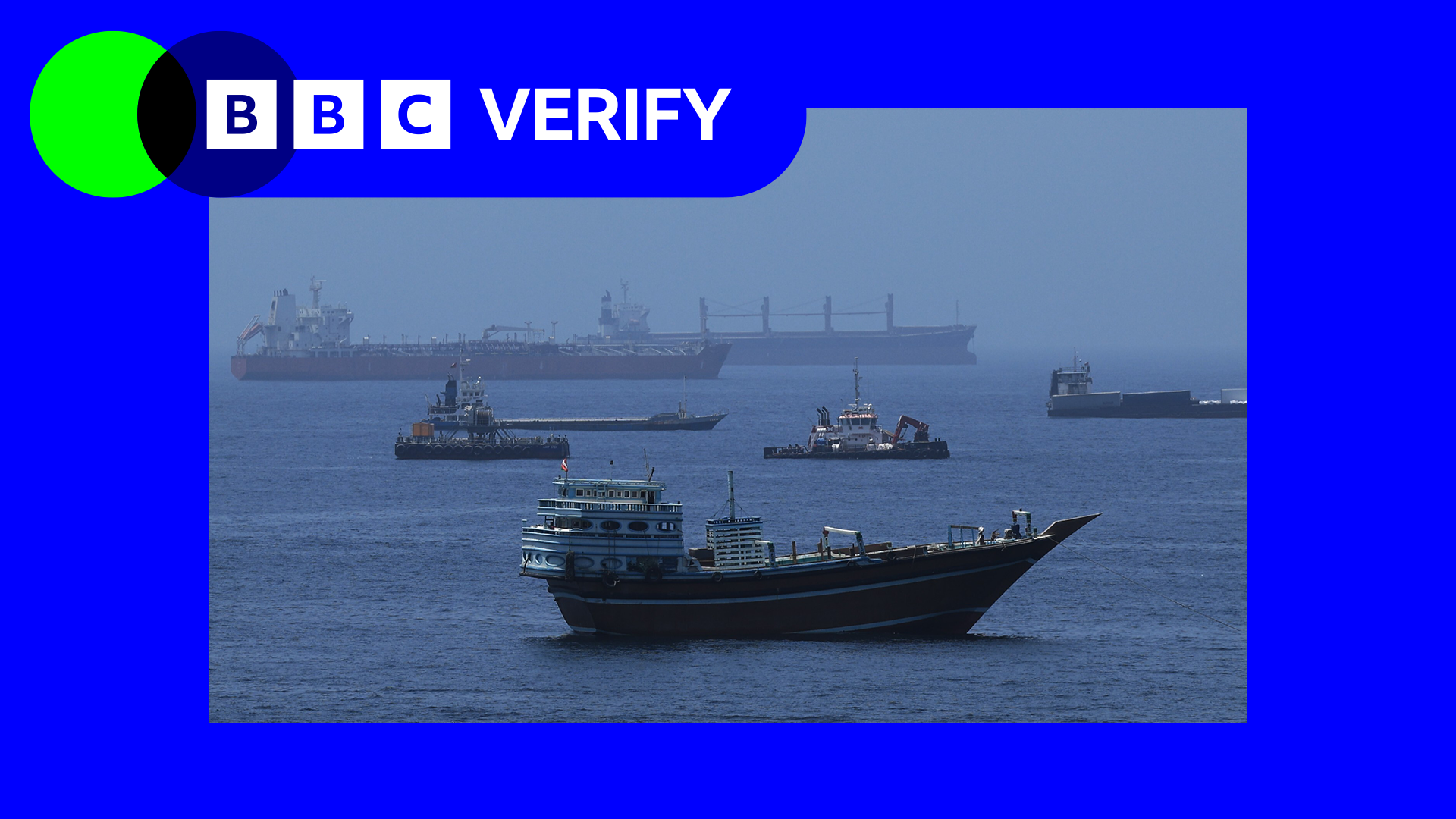
The closing of the strait for the first time in 24 hours before the U.S. and Israeli forces struck into Iranian territory has dramatically altered the strategic calculations of the region. With the blockades lifted, approximately 20% of the world's oil and natural‑gas supplies can now transit the Gulf, easing pressure on global markets and deterring the possibility of shortages that could starve millions of people, especially in sub‑Saharan Africa.
This agreement does not resolve the Iran nuclear crisis, but it clears the path for future talks and restores a level of predictability to the region. The memorandum recognises that beneath the bright day’s reopening lies a fragile CE window, with the potential for mis‑steps that could reignite tensions.
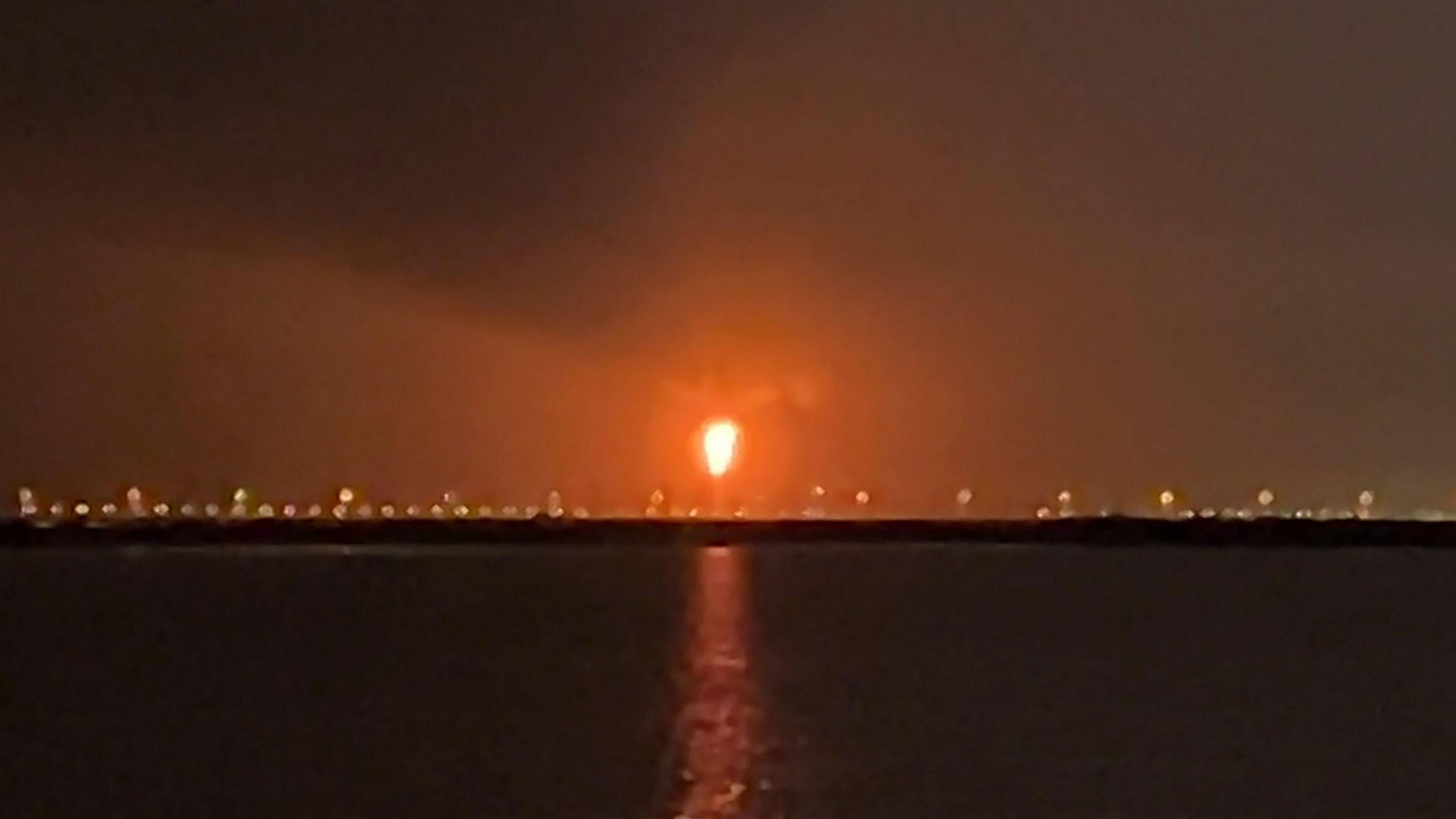
The war was a major misreading by the U.S. and Israel. It had been pitched as a quick, decisive strike that would collapse the Iranian regime; instead, survivorship has bolstered Tehran’s leadership, resulting in a more resolute, ideologically committed regime willing to fight to survive.
Israel’s role in the conflict, while pivotal during the war, has left its own geopolitical positions unclear. Netanyahu now faces domestic pressure to sustain a forceful stance in Lebanon and other parts of the region, forcing him to navigate a delicate balance between alliance strains and domestic expectations.
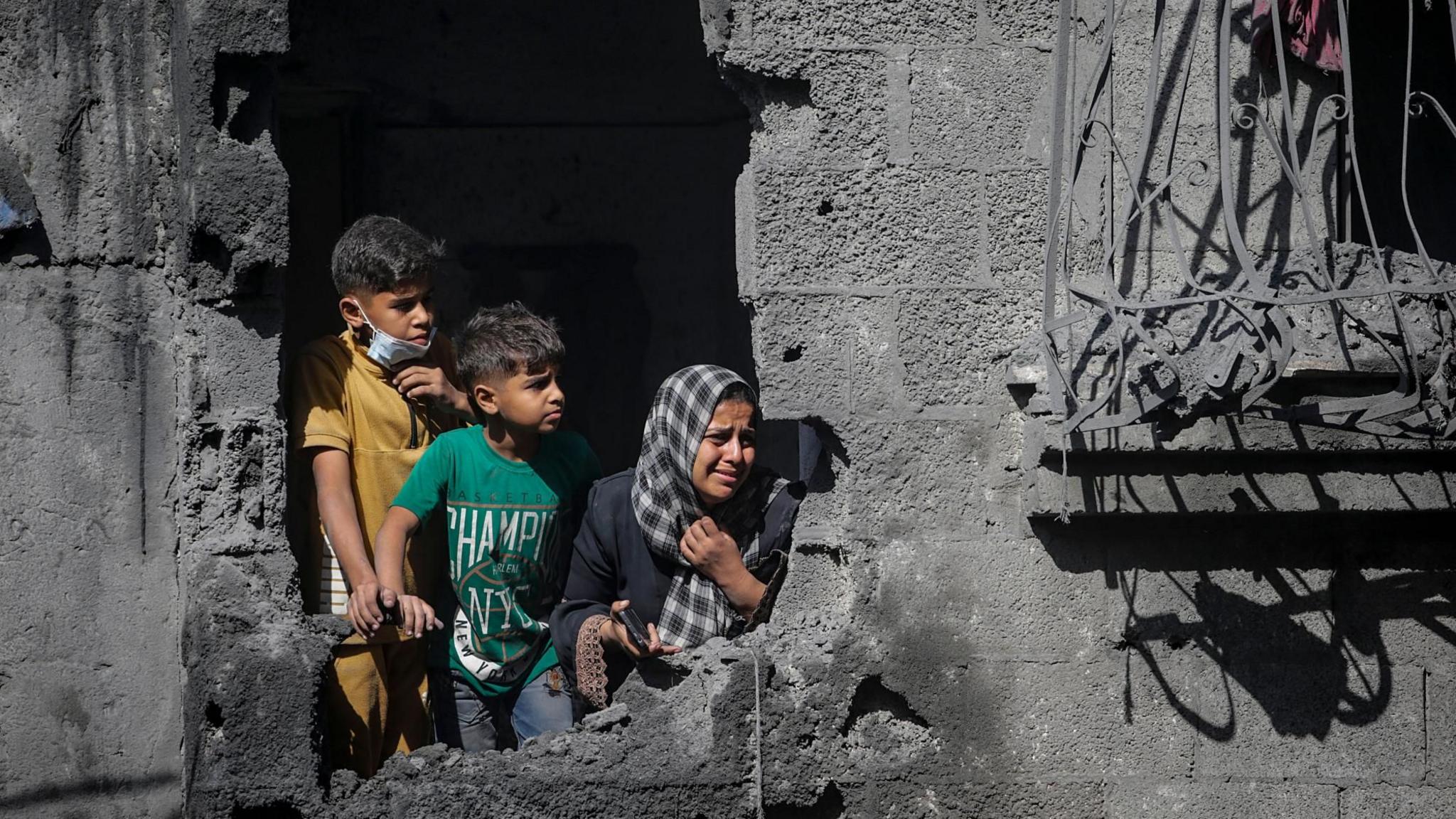
The agreement has saved countless lives for many civilians affected by the war, but it also places the future of the community on a precarious line. The broader implications for international diplomacy show that U.S. dominance in the Middle East is now far from absolute, requiring new strategies of engagement rather than military dominance alone.

Reuters
The U.S. must now move past the heady promise of a swift victory and confront the new realities of a world that demands broader, cooperation‑based solutions. The deal offers a chance for a more stable future in a region that has long been in flux, but it also underscores the necessity of nuance and diplomacy moving forward, marking a turning point for American foreign policy in the Middle East.