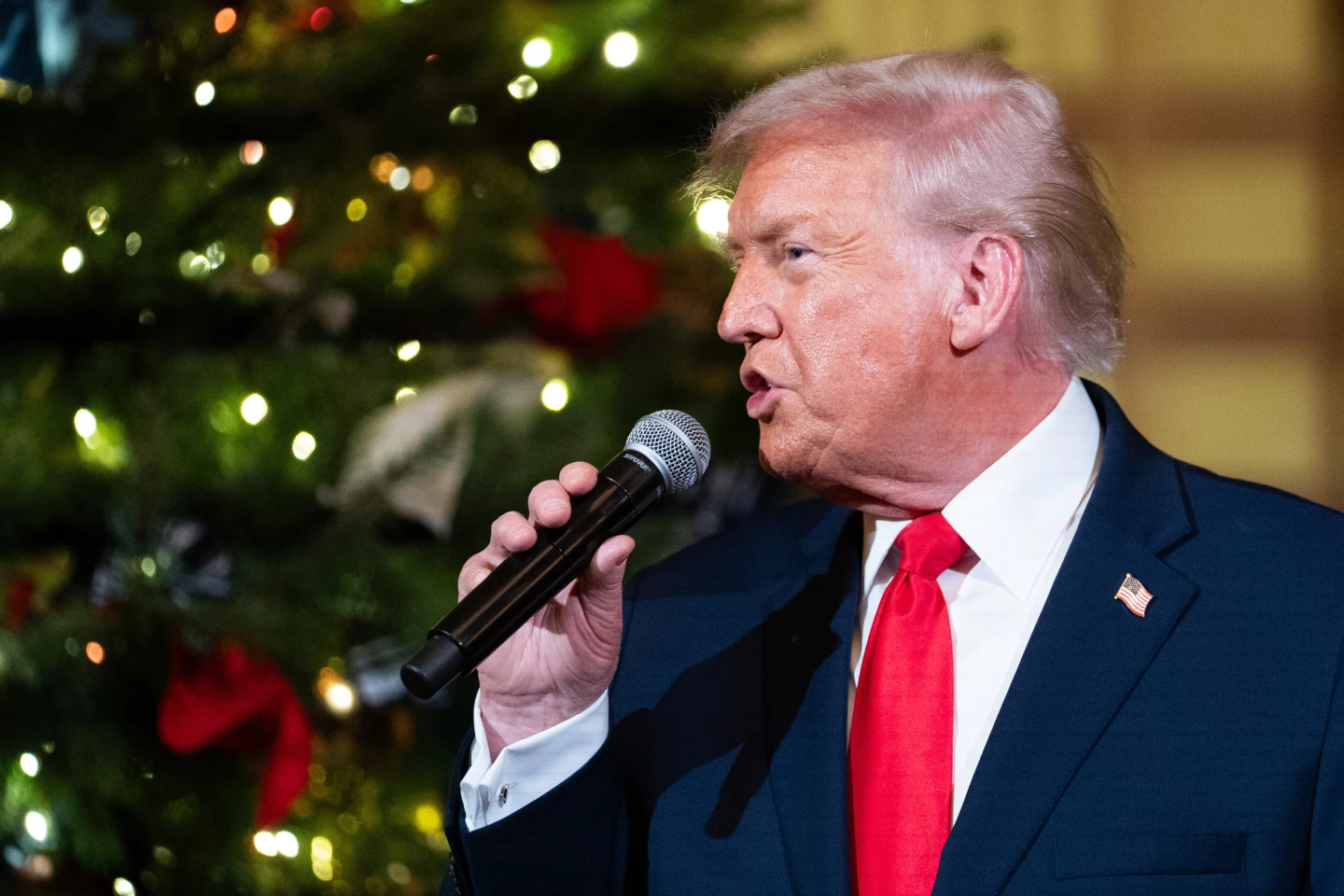
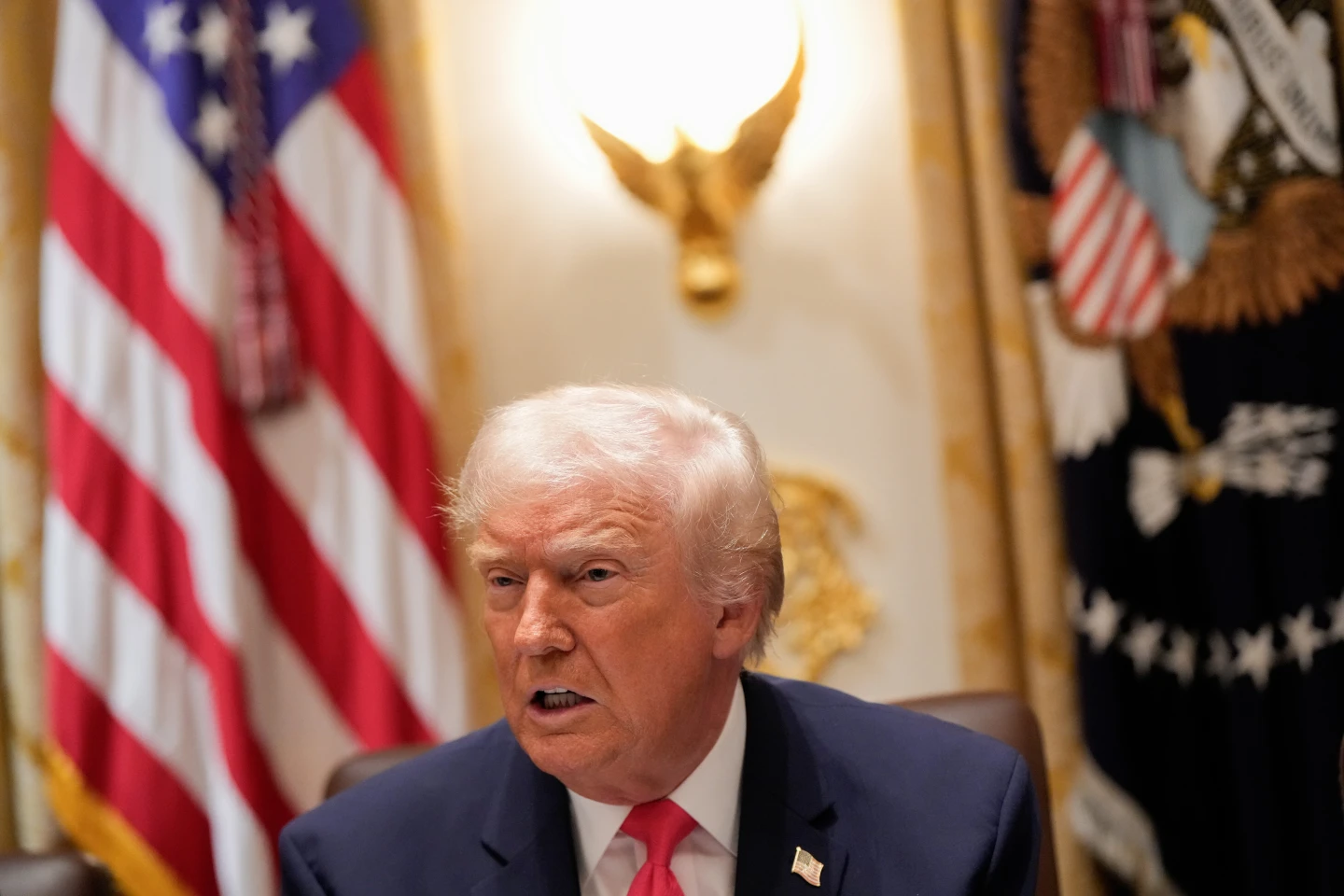
The proposed congressional redistricting in Indiana is set for its first public test in state Senate on Monday. After months of pressure from former President Donald Trump, uncertainty looms over whether it will secure the necessary votes for final approval this week.
Designed to benefit Republican candidates in the upcoming midterm elections, the bill faces skepticism from some GOP senators who question the necessity and timing of changing district lines mid-decade. This hesitance is compounded by threats directed at lawmakers who oppose or withhold support for the proposal.
The map, which was swiftly passed by the Republican-controlled state House, splits Indianapolis into four districts while connecting urban areas like East Chicago and Gary with rural regions in northern Indiana. Critics argue it appears aimed at eliminating the districts held by the state's two Democratic representatives, André Carson and Frank Mrvan, with Carson being the only Black member of Congress from Indiana.
As discussions unfold, the reliance on potential votes from uneasy Republicans could test Trump's grip over the party. The results from the committee hearing on Monday will provide insights into how many senators openly resist a power consolidation strategy favored by the former president.
Currently, Republicans occupy seven of the nine congressional districts in Indiana. Anticipation builds as Democrats eye the 2026 elections with hope of flipping control of the House, banking on historical trends favoring the opposition party during midterm cycles.
In the meantime, redistricting is typically scheduled once a decade, leading to further apprehension among some Republicans about revisiting a map last approved in 2021. With Senate leaders indicating there may not be enough support for redistricting, the coming days will be pivotal for Indiana's electoral landscape.