In brief
Hungary’s new government has removed the 2021 child protection law that criminalised the portrayal of homosexuality, a blow to Viktor Orbán’s anti‑LGBTQ agenda. The change follows widespread protests, the lift of European Union sanctions and the release of €4.2bn of frozen EU funds. Activists welcome the move but still call for full marriage equality, adoption rights for same‑sex couples and the ability for transgender people to change their official names. The reform marks a significant shift from the previous regime while hinting at further progress on minority rights.
Hungary’s parliament has voted to amend child protection laws, scrapping measures that stigmatise gay and transgender people.
In 2021 the Fidesz majority, led by former Prime Minister Viktor Orbán, passed a law banning the “portrayal or promotion of homosexuality or transgenderism.” The new Tisza administration has begun dismantling its legacy.
Minutes after Tuesday’s vote, Budapest announced that the European Commission agreed to unlock €4.2bn of funds frozen during the last years of the Fidesz government. These funds are now available to support projects in education, health and economic development.
The reform also eases restrictions on education and the right of assembly, freedoms that the previous law had curtailed. It was presented as a package of measures aimed at unravelling Fidesz legislation while protecting children’s welfare.
“We are very happy that this got adopted,” said Tamás Dombos of the civil‑rights group Háttér Association. “We’ve been fighting this so‑called child protection law for five years. The bill still has problems but most have been fixed.”
Both Orbán’s Fidesz and the Christian Democratic Party opposed the new amendments, arguing that promoting LGBTQ content in schools or the media is not acceptable.
Activists however see the repeal as a turning point. Other demands remain, including same‑sex marriage, adoption rights for same‑sex couples and the restoration of transgender people’s right to change their names on official documents.
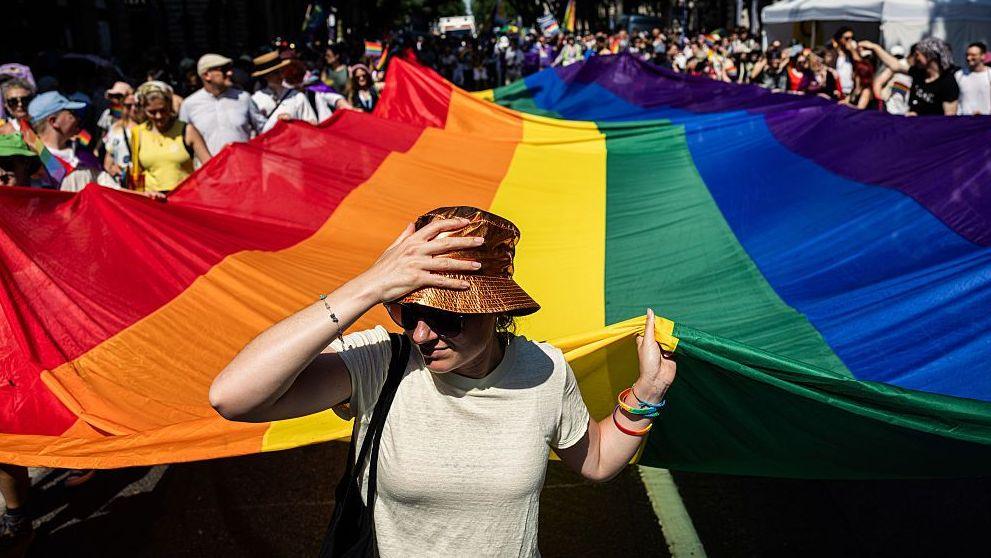
After an official ban in 2025, the Budapest Pride March drew a quarter‑million attendees to the capital’s streets, and police allowed the event to continue without restrictions. This year’s march went ahead with a giant rainbow flag at its centre.
The child protection issue had once been a political card for Orbán, but public backlash over his handling of alleged child abuse investigations has turned it into a liability. The new government’s reforms signal a shift toward a more inclusive narrative.