Hollywood celebrates courage on screen. Off screen, it punishes it.
Again and again, performers who challenge pay inequality, abusive power, or unsafe working conditions discover an unspoken rule: you can succeed, or you can speak — but rarely both. There is no memo. No posted blacklist. Access simply vanishes. Calls stop coming. Doors close quietly.
This isn’t a conspiracy. It’s a pattern.
WHEN SPEAKING ABOUT PAY BECOMES A CAREER RISK
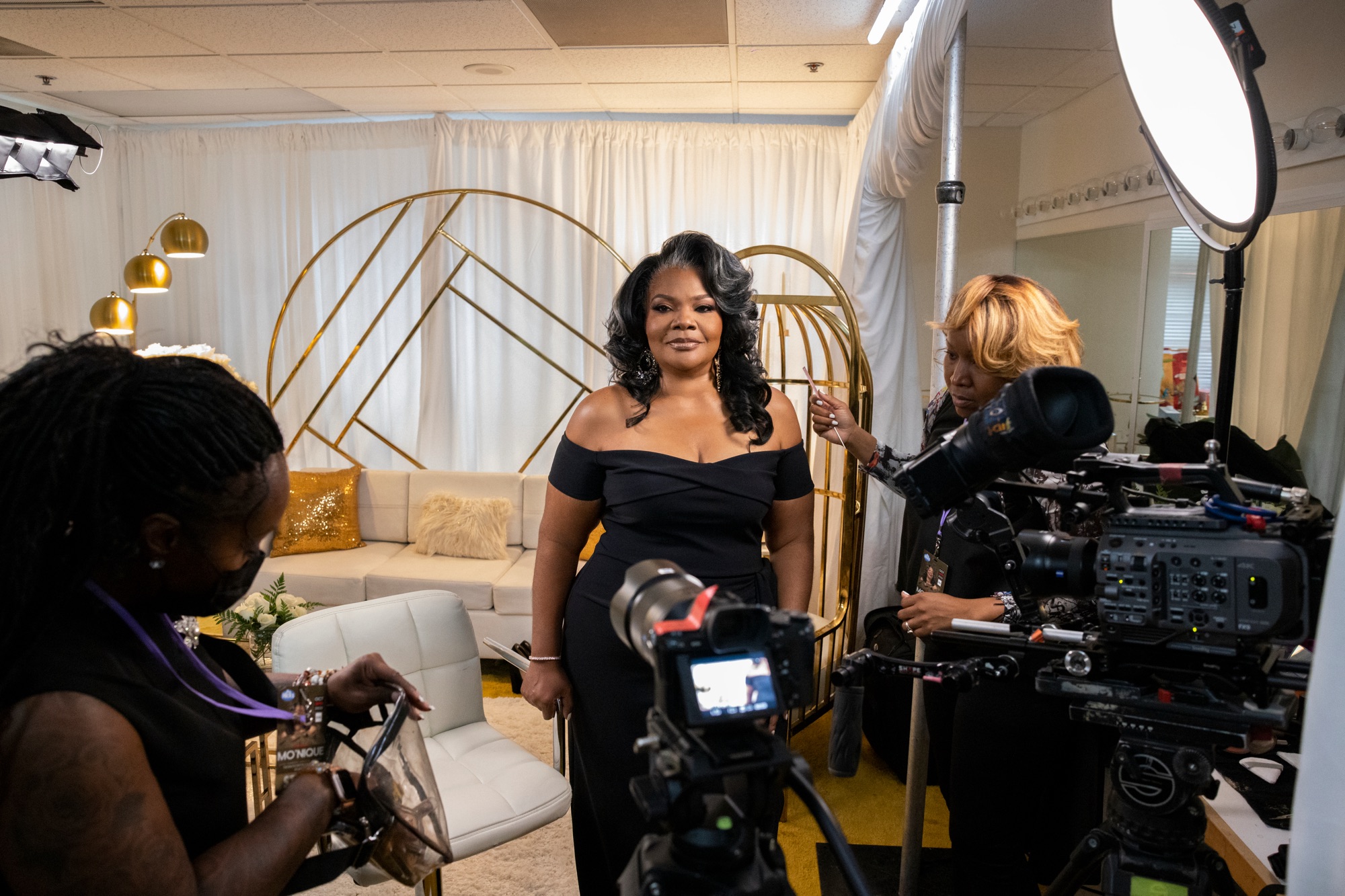
In 2018, Mo’Nique publicly criticized Netflix over what she described as a deeply unequal offer for a comedy special. She framed it as a pay equity issue and urged a boycott. The response was swift and familiar: she was labeled “difficult.” Work slowed. Opportunities evaporated.
Years later, Netflix quietly paid her more for a subsequent project. The correction came — but the message was clear. Speaking up worked only after the penalty was imposed.
Hollywood Reporter
Pay remains taboo in Hollywood. Question it publicly and you’re unstable. Accept it quietly and you’re “professional.”

CRITICIZING POWER — AND LOSING MOMENTUM
Megan Fox learned the cost of criticizing powerful figures early. After speaking candidly about the sexualization of young women and abusive set behavior — including remarks about director Michael Bay — her career momentum collapsed. At the height of her fame, she was removed from the Transformers franchise.
The punishment wasn’t about performance. It was about breaking silence.
TELLING THE TRUTH — AND BEING ERASED
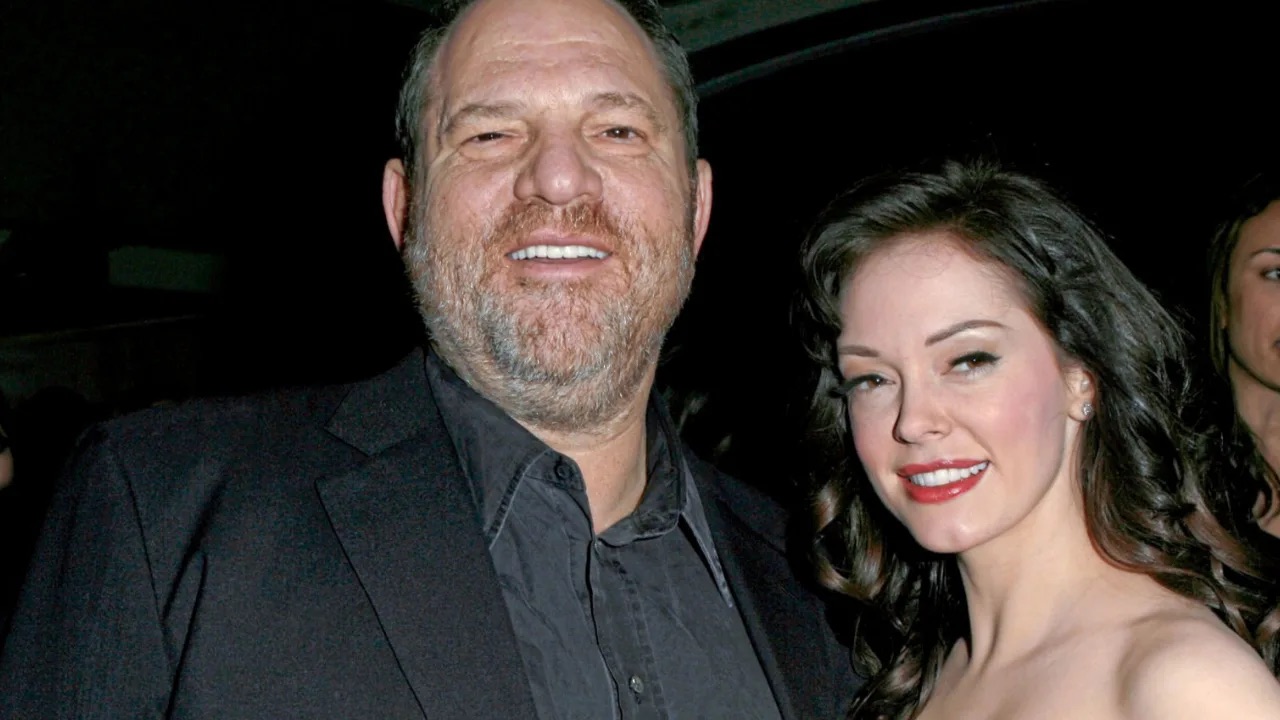
Rose McGowan accused Harvey Weinstein of rape, then went further — calling out agencies, executives, and studios for enabling abuse. Even as #MeToo gained traction, McGowan was dropped by representation and portrayed as volatile.
Her allegations were validated in court.
Her career never recovered.
Hollywood praised the movement. It sidelined the messenger.
New York Times
THE QUIET VANISHING AFTER SPEAKING UP
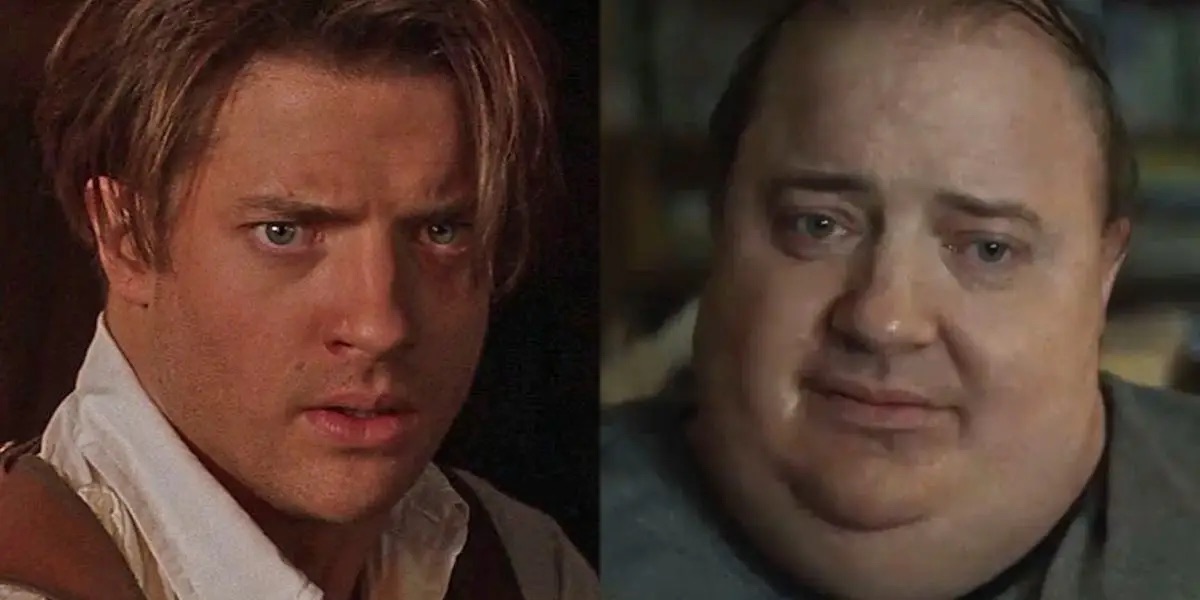
Brendan Fraser described being sexually assaulted by a powerful industry figure in 2003. After speaking publicly about the impact, his career stalled. He later said he felt pushed out of Hollywood entirely while battling depression.
No blacklist was announced.
None was needed.
Silence did the work.
GQ
CALLING OUT WORK CONDITIONS — AND BEING LABELED “DIFFICULT”
Katherine Heigl publicly criticized grueling schedules and writing conditions on Grey’s Anatomy. The reaction was immediate. She was branded ungrateful. Major studio roles vanished.
The comments weren’t criminal.
The penalty was career-altering.
THE EXCEPTION THAT PROVES THE RULE
Jessica Chastain spoke openly about pay gaps and coercive contracts — and survived. Why? She became a producer. She gained leverage. She owned part of the process.
Only power protects whistleblowers.
FRANCHISE LOYALTY OVER FAIR PAY
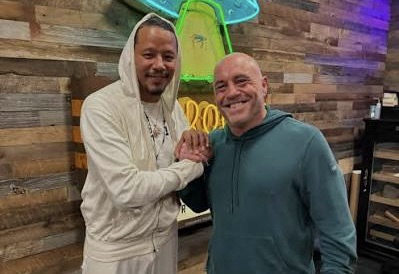
Terrence Howard disputed pay reductions after Iron Man. He was replaced in the franchise and removed from Marvel’s long-term plans.
Compliance is currency.
Questioning money is betrayal.
THE PATTERN HOLLYWOOD WON’T NAME
• Speaking about pay triggers retaliation
• Speaking about abuse triggers isolation
• Speaking publicly is punished
• Speaking privately may be tolerated
There are rarely emails. Rarely lawsuits. Rarely proof.
The penalty is lost access.
WHY THIS KEEPS HAPPENING
Hollywood is risk-averse and schedule-driven. Whistleblowers introduce uncertainty. Silence keeps productions predictable.
The industry doesn’t destroy careers.
It just stops answering the phone.
Hollywood loves courage in scripts. In real life, it still rewards compliance.