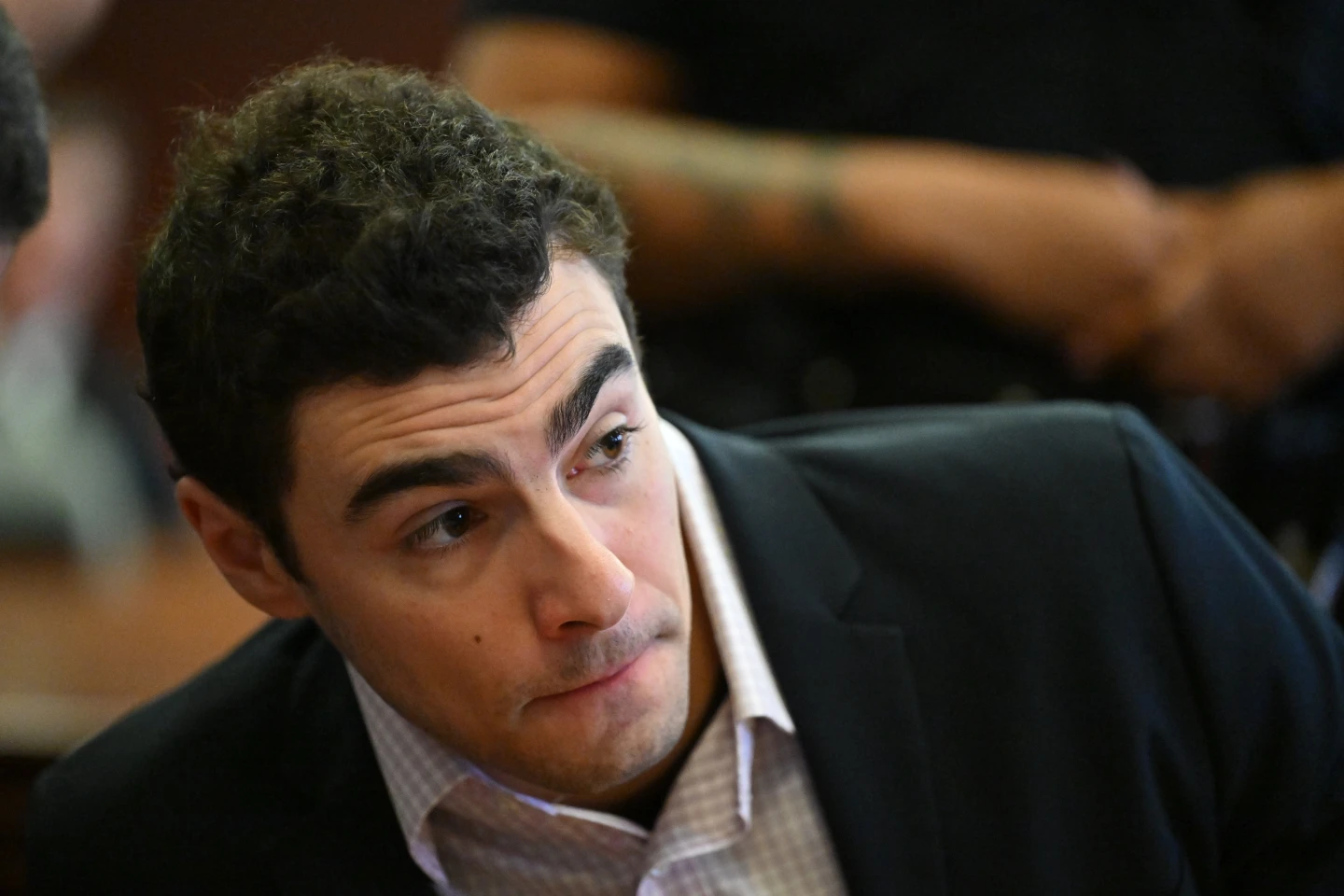
NEW YORK (RTW News) — The courtroom drama continues Thursday in the high-profile murder case against Luigi Mangione, unfolding exactly one year after he allegedly gunned down Brian Thompson, the CEO of UnitedHealthcare. Mangione, aged 27, has pleaded not guilty to charges at both the state and federal levels.
As the hearing progresses, Mangione's defense team is battling to exclude what they argue are prejudicial pieces of evidence from the trial. These include Mangione's purported statements made to law enforcement and various items taken from his backpack, critical to the prosecution's case.
Prosecutors argue that a 9 mm handgun found in his backpack matches the firearm used in the murder, while writings discovered in his backpack allegedly express his disdain for health insurers and contain ideas about targeting CEOs, specifically during an investor conference.
Thompson, 50, was shot from behind on December 4, 2024, as he made his way to a conference. He had been with UnitedHealthcare for over two decades and took over as CEO in 2021.
Today's hearing, which began earlier this week, is part of the state case against Mangione and could also influence the other federal charges he faces. The legal proceedings have sparked public interest, with expected testimonies and video evidence shedding light on the circumstances surrounding both his arrest and the unfortunate death of Thompson.
Tape from police body cameras revealing the moments leading to Mangione's arrest was presented during the recent session, highlighting the officers’ approach during their encounter with him at a fast-food restaurant. The video captures a tense interaction, where officers initially engaged Mangione under the guise of investigating a loitering complaint, only to discover he was connected to a murder.
As the case progresses, the contentious legal questions surrounding the police's initial inquiries and the validity of evidence obtained in the absence of a warrant will likely resonate in the courtroom and beyond. The outcome not only poses crucial implications for Mangione but could also shed light on broader discussions regarding police protocols in similar cases.