Gaza Peace Plan Unveiled: What Hamas Disarmament Means for the Conflict
Hamas has announced that it accepts a U.S.-backed path to disarmament, a decision lauded by President Donald Trump as a “monumental step toward lasting peace and security.”
The agreement, part of a larger fifteen‑point roadmap presented by the Board of Peace, requires Hamas and other Palestinian factions to inventory and secure heavy weapons, ammunition depots and tunnel networks. The process is conditional on Israel fulfilling commitments set out in the October ceasefire, and will be overseen by the Palestinian National Committee and an International Stabilisation Force (ISF).
Key Elements of the Disarmament Plan
1. Heavy weapon inventories and secure storage in a neutral facility under international control.
2. The destruction of weapons manufacturing sites and tunnel infrastructure.
3. A gradual, time‑bound withdrawal of Israeli forces to the “Yellow Line,” a demarcated boundary that marks Israel’s temporary control area.
4. No transfer of weapons to Israel or foreign parties, insisting that the cessation of conflict is tied to full compliance by Hamas.
Israel’s Response and Skepticism
Israel remains unconvinced of Hamas’s willingness to fully disarm. Far‑right Minister Itamar Ben‑Gvir stated the plan is “not acceptable.” Israeli officials have clarified that they will not relinquish their presence in Gaza beyond the Yellow Line until Hamas fully complies with the disarmament directive.
The current state sees Israel controlling more than 60% of Gaza, a figure that exceeds the 53% originally envisaged during the October ceasefire agreement. As a result, Israeli withdrawal hinges on a formal Israeli agreement to release assets and troops within a 24‑hour window after plan approval.
Civil Servants and Public Employment in Gaza
Hamas’s plan includes the resettlement of tens of thousands of public servants in Gaza—ranging from police to health and education workers—composed largely of pro‑Hamas personnel. The framework promises lawful, fair and dignified treatment of these employees and outlines a path toward new job opportunities within the National Committee’s evolving governance structure.
Timing, Implementation and Humanitarian Context
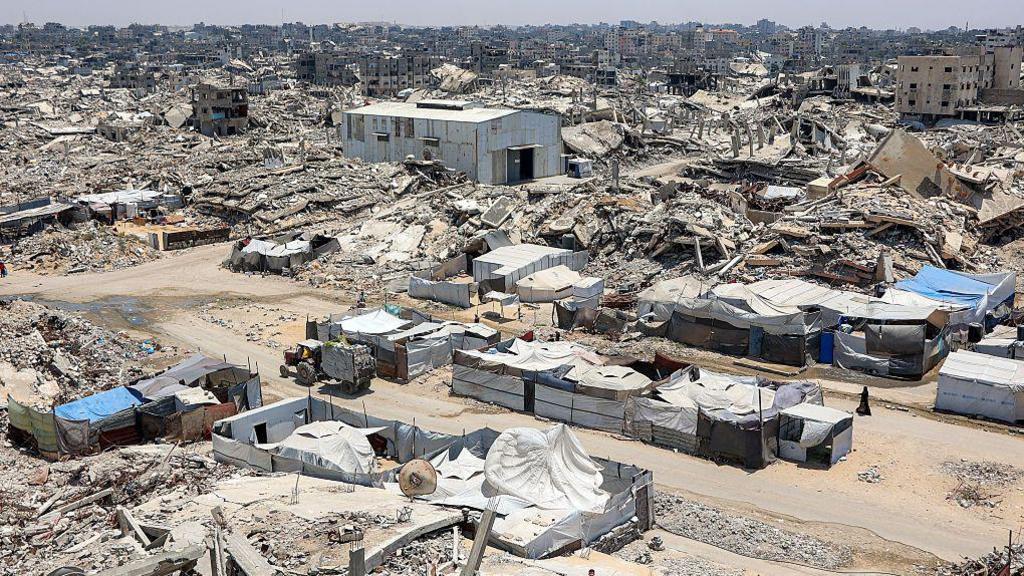
The disarmament schedule will be detailed within a 14‑day period, yet the exact mechanism for handover remains undisclosed. Meanwhile, the humanitarian fallout in Gaza has worsened dramatically, with more than two million residents enduring shortages of clean water, food, shelter, and health care. Over 1,168 Palestinians, including children, lost their lives according to Hamas‑run health ministry figures, underscoring the urgent urgency of any peace initiative.
Why Hamas is Agreeing Now
Hamas’s leadership change—led by new negotiator Khalil al‑Hayya—has streamlined decision‑making, while regional and external pressure has driven the group toward concessions. The move is also seen as a response to escalating humanitarian suffering and a global call for a workable ceasefire.
Future of the Roadmap
If the disarmament component holds, the broader roadmap could represent the first credible stride toward ending the Gaza war. However, Israel’s steadfast demands, Gaza’s precarious conditions, and the clarity around disarmament logistics will play critical roles in determining the plan’s viability.