Israel’s military says it has destroyed a large underground complex operated by Hezbollah in southern Lebanon.
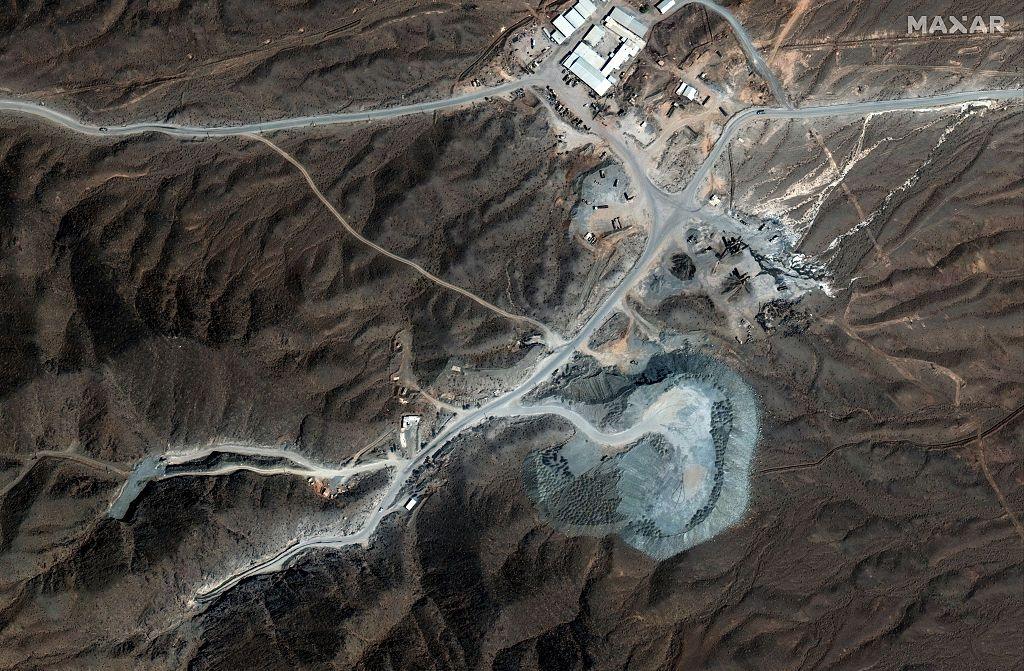
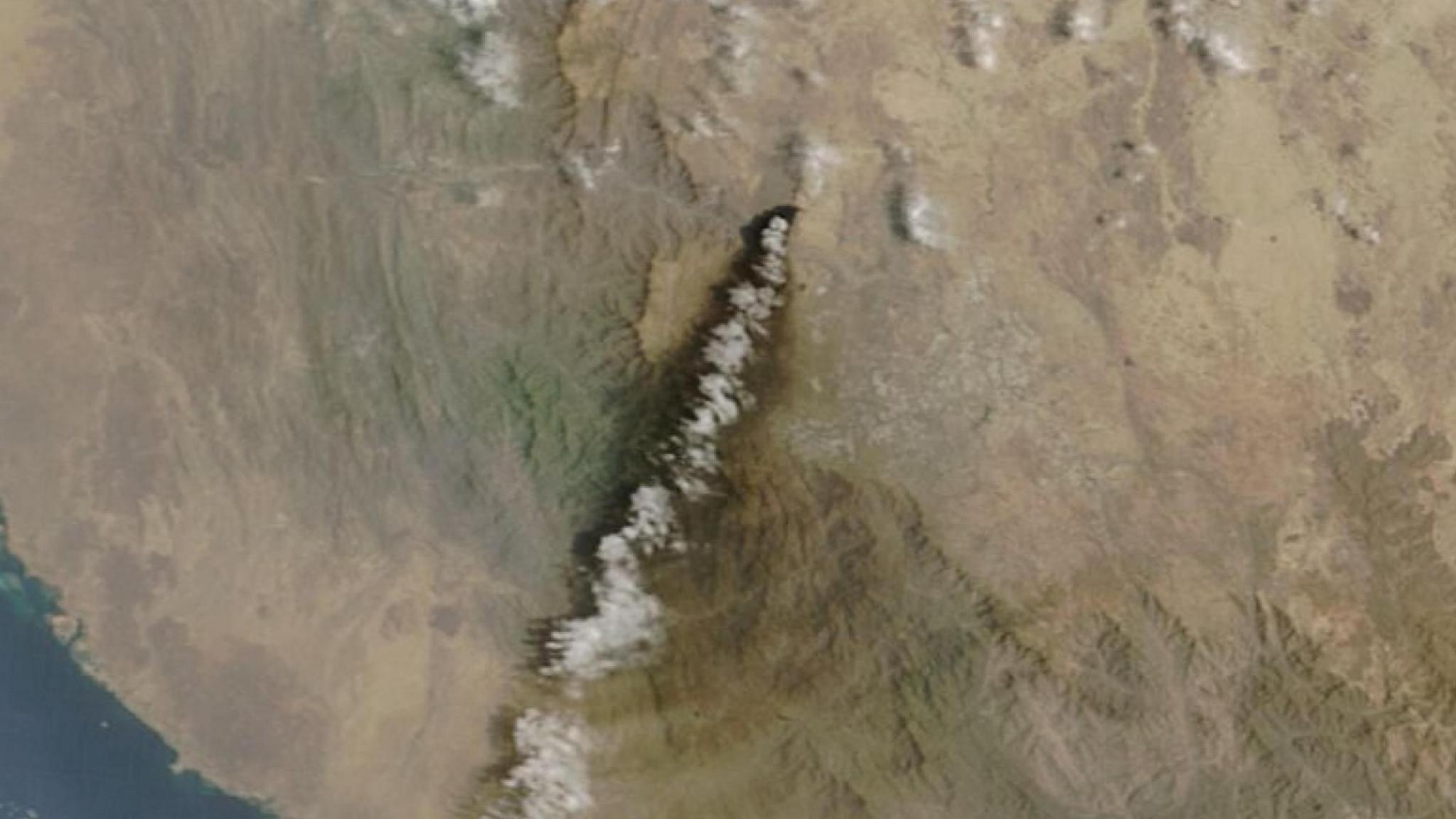
According to the IDF, more than 1,000 tonnes of explosives were detonated to blow up two tunnels that stretched over 2km beneath the Ali Taher Ridge.
The explosion created seismic activity equivalent to a 4.1‑magnitude earthquake, as reported by the US Geological Survey.
No immediate response was issued by Hezbollah or the Lebanese government following the strike.
Israeli forces captured the ridge a week earlier after months of fighting with the Iran‑backed group. The IDF is holding a large swathe of southern Lebanon seized during the conflict that resumed in March.
Images released by the Israel Defense Forces show a fireball lighting the night sky.
A resident in Nabatieh, 6km west of the ridge, recounted, “The sky lit up and about 15 seconds later we heard the terrifying sound.”
He described houses shaking “as if it was literally an earthquake,” with families fleeing toward Beirut. Tremors were also felt in the coastal city of Saida, over 40km north.
The underground complex housed a Hezbollah command centre for the Badr unit and stored dozens of rockets, missiles, unmanned aerial vehicles, anti‑tank weapons, mines and explosives.
The IDF said the mission to destroy eight tunnels and establish a “security zone” was completed. Israeli operations continue in southern Lebanon, with the military asserting it has eliminated or forced out all terrorists inside the infrastructure.
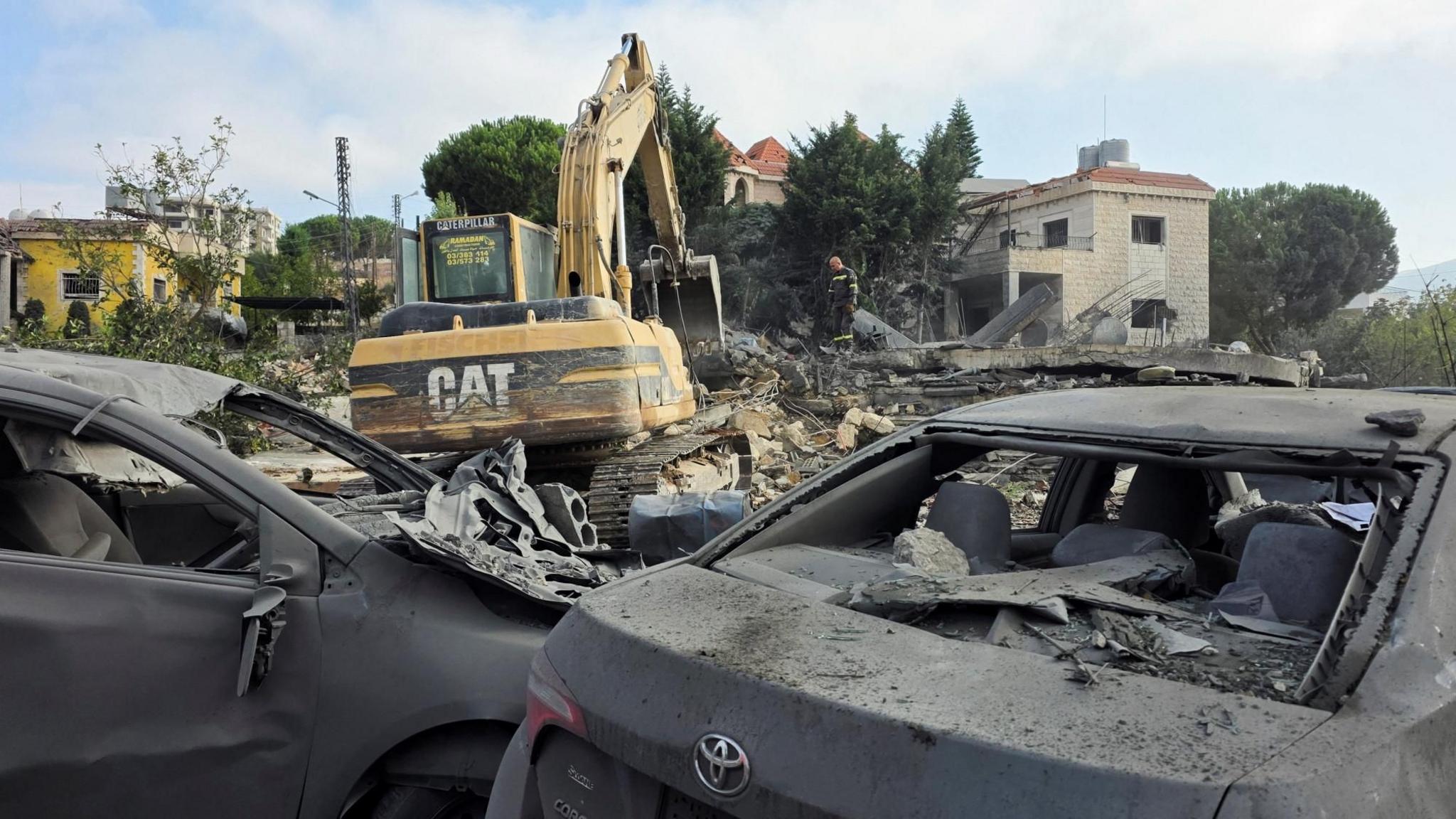
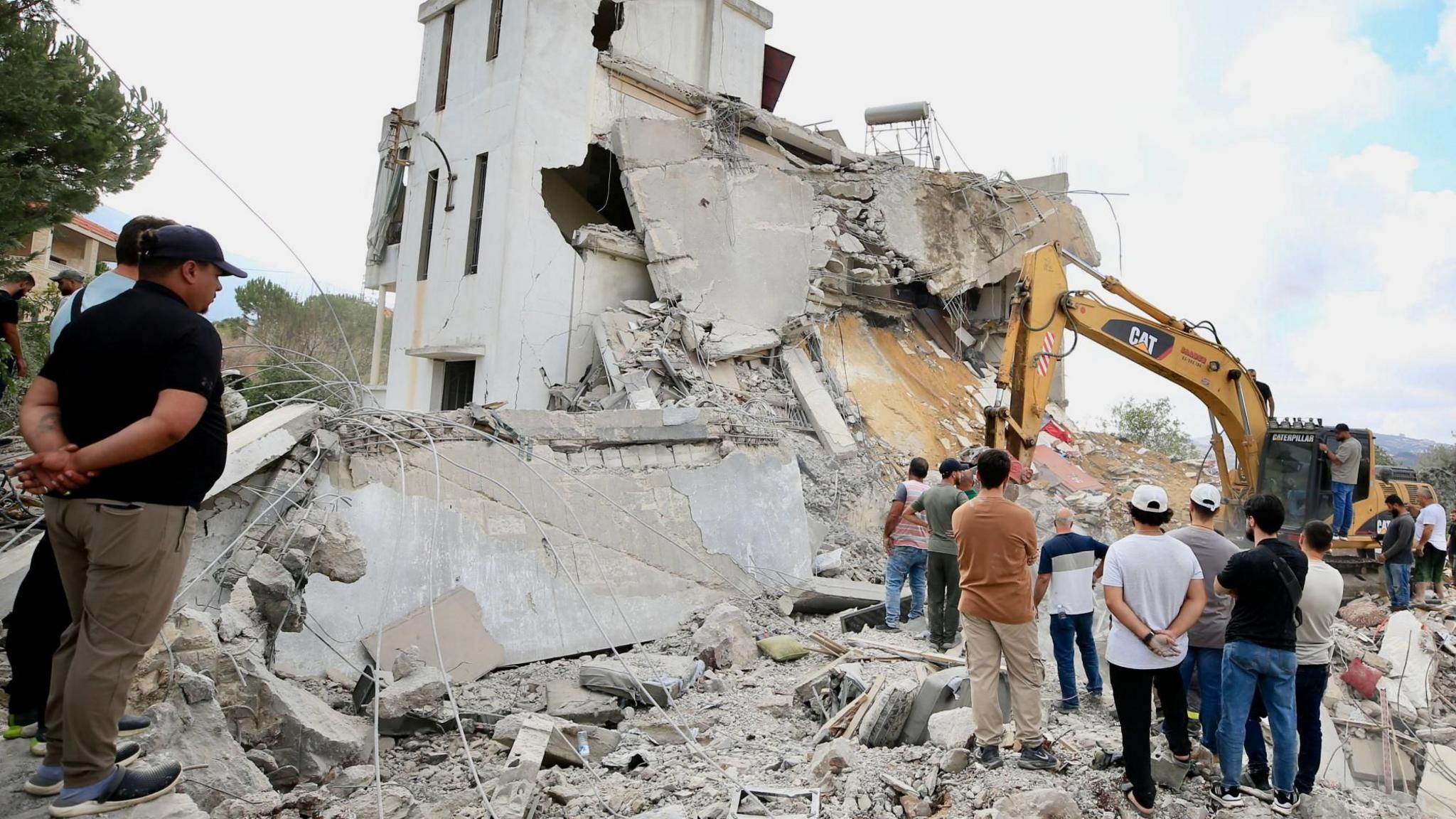
Lebanese media reported fresh Israeli strikes elsewhere in the south, including Nabatieh al‑Fawqa and Mansouri in the Tyre district. The Lebanese army has increased deployments outside Israeli control to enhance stability and reassure residents, according to local TV station MTV.
The war began on 2 March when Hezbollah fired rockets into Israel after an Israeli strike killed Iran’s Supreme Leader. Israel responded with air strikes across Lebanon and an invasion of the southern region, occupying approximately 5% of Lebanese territory.
A ceasefire deal between Iran and the US in June, and a separate agreement between Lebanon and Israel, reduced fighting. The UN reports about 330,000 people displaced in Lebanon, with Israeli activity preventing many from returning to formerly occupied areas.
Under the Lebanon‑Israel framework, Hezbollah is expected to disarm, Israeli forces are to gradually withdraw, and the Lebanese army should deploy across the region; Hezbollah has rejected direct negotiations.
Despite the ceasefire, Israeli strikes in southern Lebanon continue. Since 2 March, the Lebanese health ministry reports at least 4,383 deaths, including 395 women and 259 children, without distinguishing between combatants and civilians. At least 29 were killed this week, while Israeli authorities report 40 soldiers and four civilians died in the same period.
Additional reporting by Raffi Berg in London and Samantha Granville and Ghaith Solh in Beirut.