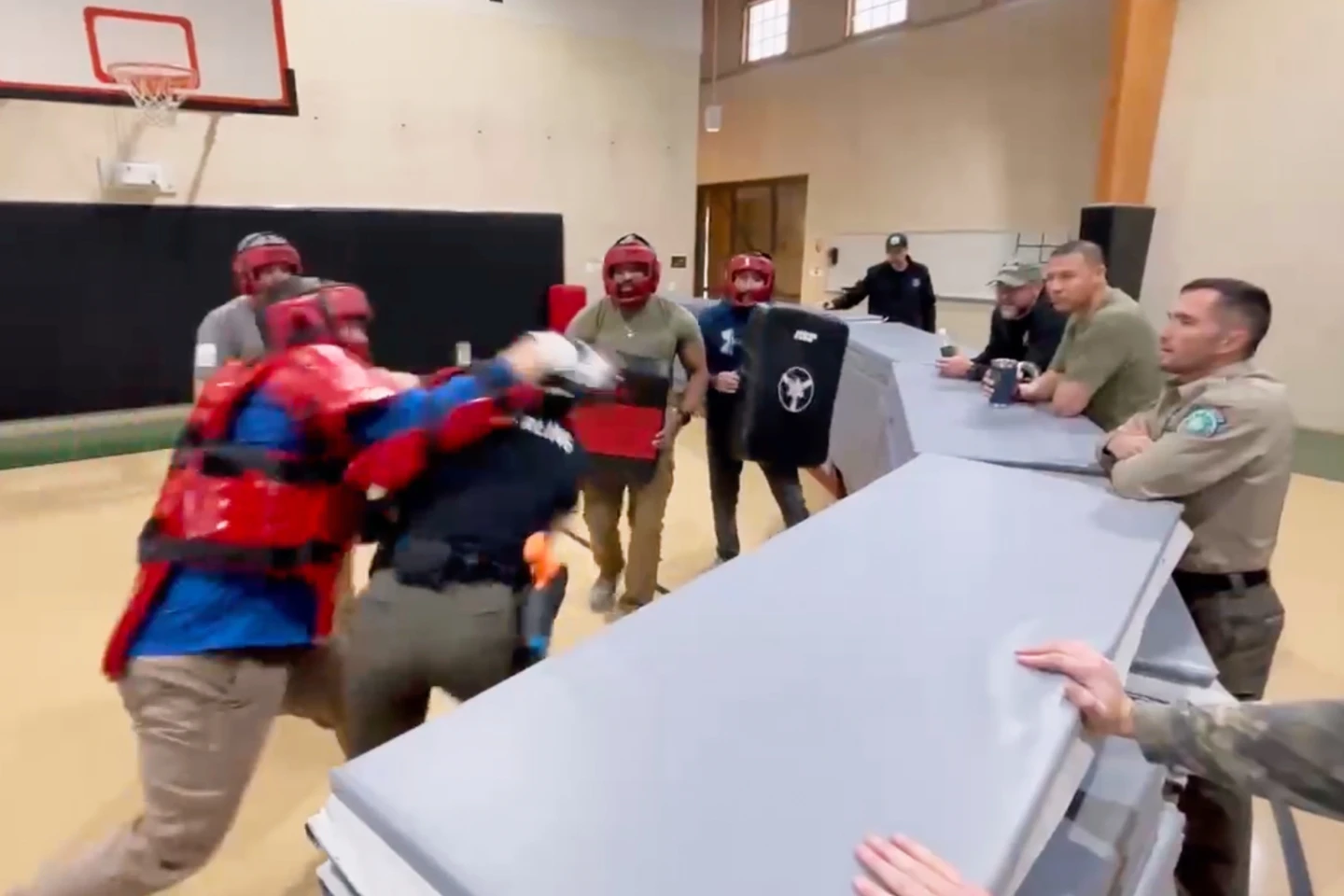
Heather Sterling stepped into the ring at the Texas Game Warden Training Center, prepared for a surprise attack by instructors acting as assailants. This strenuous drill is intended to train game warden recruits in self-defense against violent suspects.
During the exercise, Sterling was subjected to a rapid assault, enduring multiple blows. Within minutes, she was knocked down and concussed, one of many injuries reported among her classmates that day.
This situation is not isolated. Since 2005, similar drills across U.S. academies have led to dozens of injuries and at least a dozen deaths. An investigation by the AP found that the intensity of these drills often pushes recruits into dangerous situations without proper safety measures in place.
“Protect yourself!” shouted an instructor during the training. Despite her struggles, Sterling finished the drill but later experienced severe symptoms, reflecting the significant risks embedded in these highly physical training sessions.
Critics argue that without national standards or oversight, these drills can devolve into abusive hazing rituals that endanger the mental and physical health of recruits, rather than build their competence and confidence.
Sterling ultimately resigned from the academy, comparing the experience to gang initiation rituals, where new members must endure violence to earn their place. Her experience calls into question the effectiveness and ethics of current law enforcement training practices.
As calls for reform grow, it remains clear that the training methodologies and safety guidelines within law enforcement academies need to undergo significant reevaluation to prevent incidents that could lead to permanent injury or worse.