In brief
The Gabonese High Communication Authority announced on Saturday that the government will lift a complete ban on social‑media platforms that had been in force since 17 February. The ban, imposed to curb what officials called “conflict‑fueling” online content, sparked protests and forced users to rely on VPNs. President Brice Oligui Nguema, recently elected with over 90% of the vote after a coup, reversed the censorship amid ongoing social unrest, strikes by teachers and civil servants, and accusations of abuse of power. The decision could reshape digital rights and political discourse in the small, oil‑rich nation.
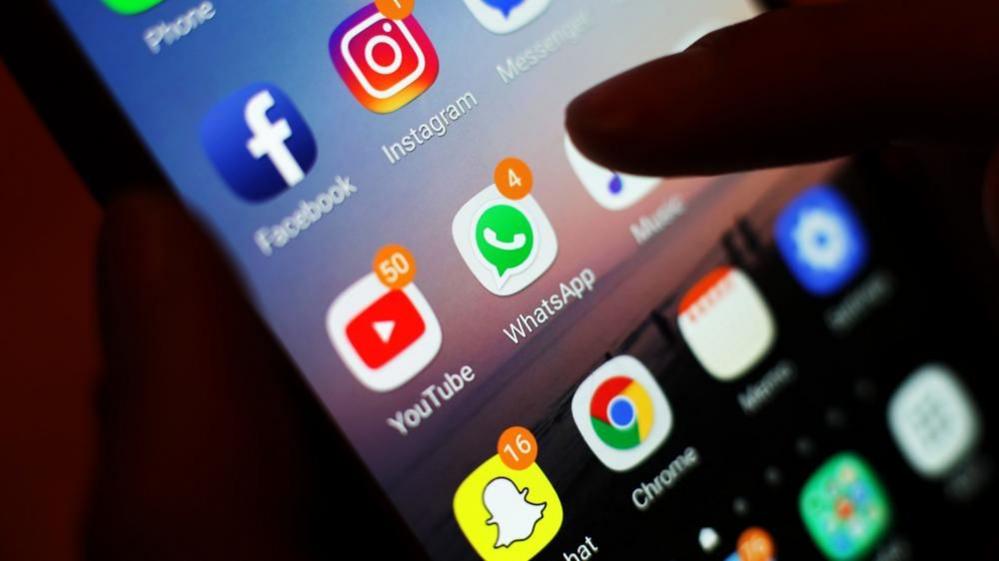
The Gabonese High Communication Authority (HAC) announced on Saturday that the government will lift a total ban on social‑media platforms that had been in force since 17 February. The move comes after an eight‑month period in which users had to rely on virtual private networks (VPNs) to access Facebook, TikTok, YouTube and Instagram.
The ban was introduced by the HAC on 17 February, with officials saying online content was “fueling conflict and deepening divisions” in the country. It was met with widespread criticism from citizens, civil society, journalists and the international community, who argued that it restricted free expression and economic activity, especially among younger users who relied on social media for business and social engagement.
President Brice Oligui Nguema, who won the last election with more than 90% of the vote a year after a coup that ended the Bongo family’s 50‑year rule, had faced a wave of social unrest and labour strikes over low pay and poor working conditions. The decision to lift the ban is seen by some as a concession to appease protests and a signal that the new government seeks to improve its global image after accusations of abuse of power.
The restoration of social media is expected to reinvigorate digital communication in Gabon, where the ban had temporarily silenced public debate and limited access to information. Analysts note that the government will need to monitor online content to prevent the spread of misinformation while balancing citizens’ rights to free expression.