In brief
In Fujisawa, a sea‑side suburb, a proposal to build Japan’s first mosque has stirred protests, fear, and optimism in equal measure. Long‑time residents worry how the new site will change their community, while local business owners urge dialogue. The debate mirrors a nation grappling with ageing demographics and a rising, diverse workforce. Muslim voices across Japan report growing hostility, but they call for calm and understanding. Despite these challenges, many residents have no personal negative experiences with Muslims and hope the new mosque can foster a more inclusive identity.
A Japanese town wrestles with identity after protests over its first mosque
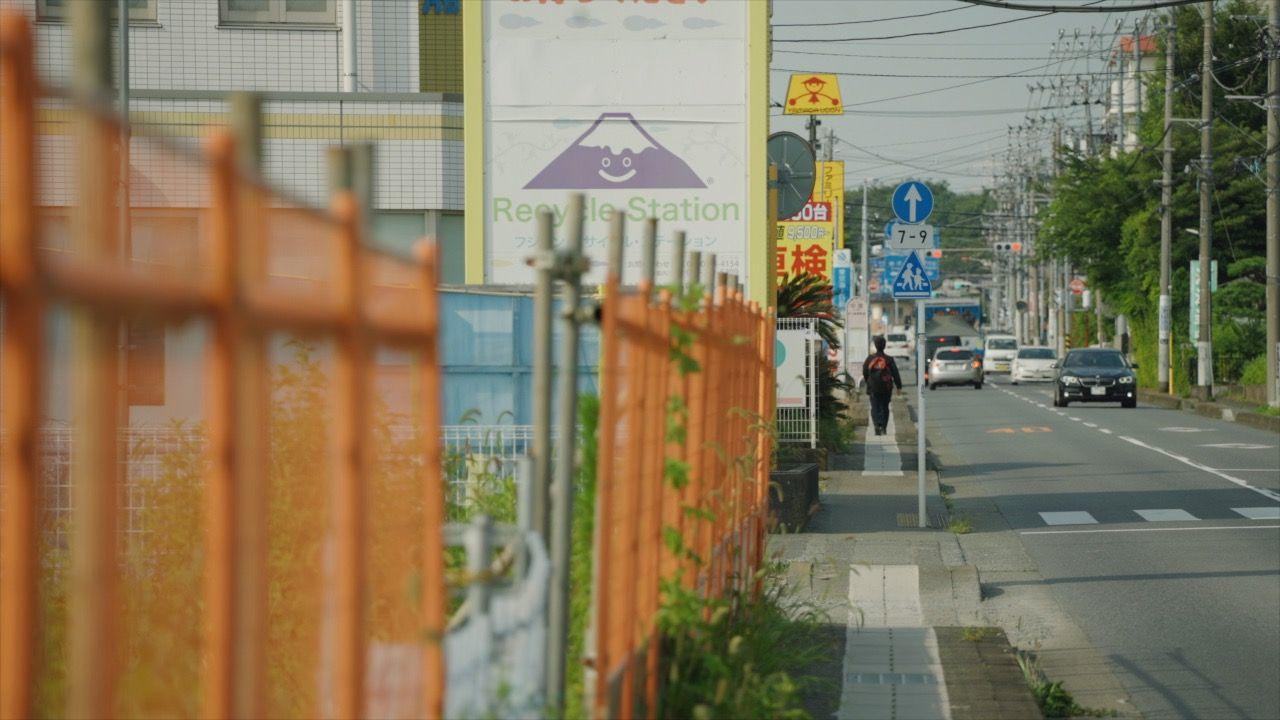
Today it is a field of grass, yet soon it will be the site of the first mosque in Fujisawa, a laid‑back seaside town an hour south of Tokyo.
“It makes me worry about how our community might change,” says longtime resident Noriko Izumizawa.
Plans to build an Islamic religious site have ignited anger and fear, but also hope and acceptance, revealing anxieties as Japan faces a shrinking, ageing population and a labour shortage that increasingly relies on foreign workers.
Immigration in Japan is politically sensitive, yet the influx of immigrants from China, Vietnam, South Korea and the Philippines brings diverse cultures, languages and religions.
The debate unfolding in Fujisawa touches on how Japan sees itself—whether it can grow more diverse yet retain its sense of identity.
The controversy erupted earlier this year when thousands marched out of the local train station, objecting to the mosque’s construction. Some argued a mosque bigger than the nearby Shinto shrine was disrespectful. Hate speech and misinformation spread online; mosques received abusive phone calls and emails, prompting anti‑hate groups to organize counter‑protests calling for no hate.
Hiroki Suzuka, who runs a coffee shop just across the road, calls for greater understanding: “I’m not particularly opposed, but I wouldn’t say I’m strongly in favour either. The first step is to learn about them, what Islam is and what values they hold. It begins with an open mind.”
Being Muslim in Japan
Businessman Mohamed Mohideen, who moved from Sri Lanka to Osaka in 1987, talks about a shift in attitudes. “On social media there are countless comments like ‘Get out of Japan’ and ‘Go back to your own country,’” he says. “People have also started coming to the mosque and shouting abuse.”
He explains he has never felt his life in danger but notes increasing fear among his neighbours.
Mohideen says the Muslim community has “focused only on our work and didn’t do enough to help people understand who we are.” He now wants to “increase dialogue and build better mutual understanding.”
In Saitama, Pakistani construction worker Shakeel Mohamed represents the Yashio mosque for a decade. “We make every effort to respect Japan’s rules and show courtesy,” he says, stressing that the majority of Pakistani residents are polite and law‑abiding.
Immigration vs Identity
Japan’s Muslim population rose from 230,000 in 2019 to around 420,000 by the end of 2024, while the foreign resident population passed four million in 2025. Two‑million‑plus of them work in Japan, yet the government still raises visa fees and pushes shorter‑term immigration visas.
Prime Minister Sanae Takaichi’s policy raises visa fees by five‑fold in June 2026, and officials are adding staff to enforce visa compliance. There is also talk of limiting the number of foreign residents.
As immigrant communities become visible, the country confronts a long‑avoided question: Can Japan become more diverse while preserving its identity?
Back in Fujisawa, Izumizawa says she never had a negative experience with a Muslim neighbour. “Maybe I just fear the unknown,” she shrugs. She hopes the new mosque will bring understanding and acceptance rather than fear and hostility.