In brief
Azerbaijan’s Education Ministry has begun enforcing a new uniform policy that effectively bans hijabs, sparking rare street protests in Baku and southern districts. The move has drawn criticism from Turkish officials, who see the ban as a threat to shared cultural values. Authorities have detained dozens of protestors, while activists have taken to social media to challenge the rules. The clash highlights the country’s delicate balance between secular governance and a majority Shia population, as well as its strategic ties with both Turkey and Israel.
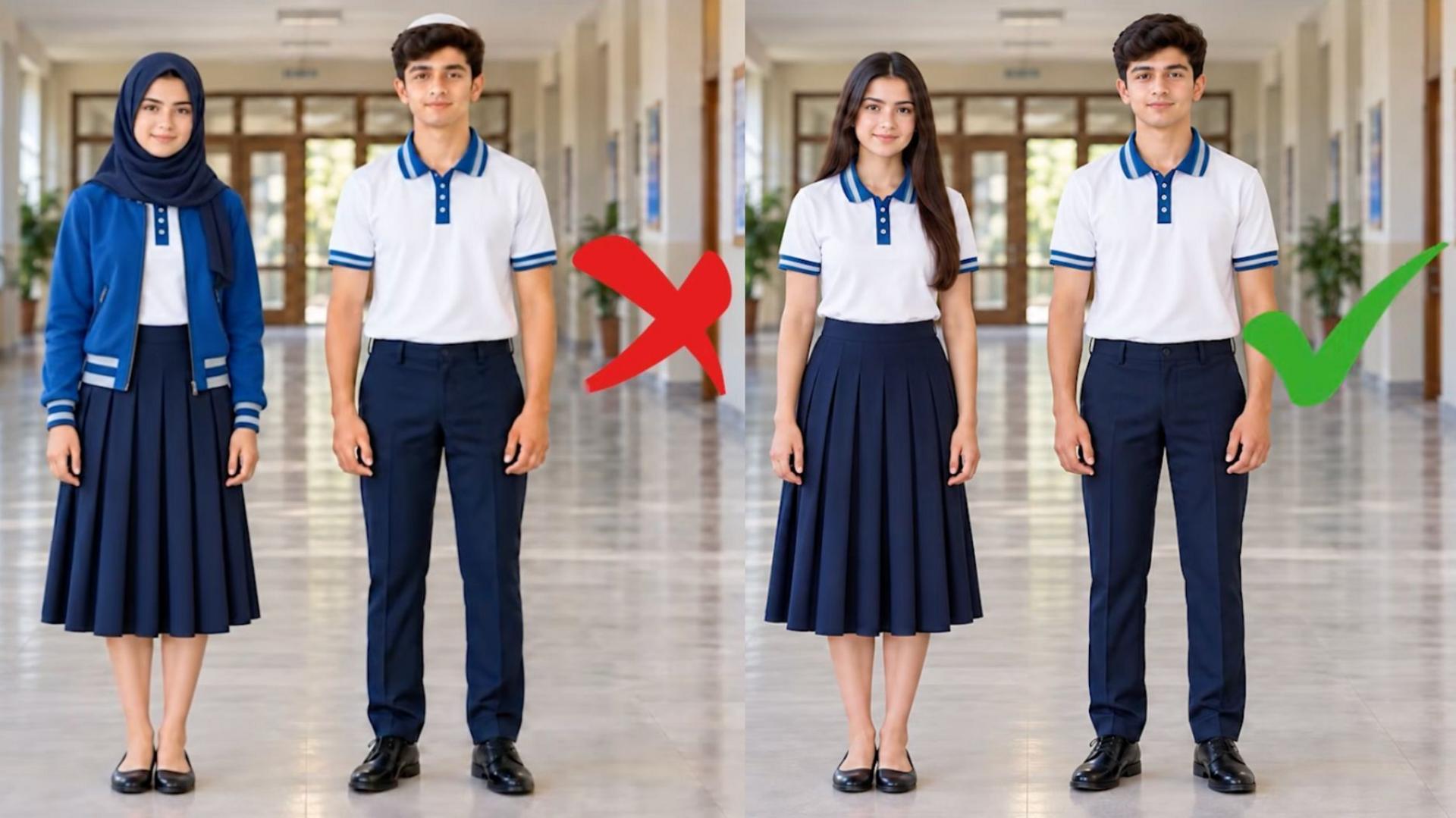
A teenage girl in a navy blue Islamic headscarf shouted, "You are telling me, I can’t come to school?" before a school staff member told her that she was being turned away. The video, which spread across social media, shows a group of girls in hijabs applauding her defiance. The footage was shared just after the Education Ministry began enforcing a new uniform rule that effectively bars hijabs from state schools.
Protests erupted around the capital Baku and in southern districts such as Masally and Jalilabad, a rare display of dissent in a country of 10.5 million people where the government, led by President Ilham Aliyev since 2003, has little tolerance for opposition. Interior officials said 37 people were detained on Monday for attempting to block the new rules.
The policy, approved on 21 September, bans clothing that conflicts with secularism in education but stops short of naming the hijab. Teachers were included under the same guidelines on 6 October.
The protests have drawn sharp criticism from Turkey, Azerbaijan’s closest ally. President Recep Tayyip Erdoğan, a devout Muslim, and his adviser Oktay Saral have labeled the ban as “unacceptable,” urging Baku to reverse the decision. Small demonstrations outside Azerbaijan’s embassy in Ankara and consulate in Istanbul were organized by Islamist groups linked to Hizb ut‑Tahrir and Özgür‑Der.
Azerbaijan’s New Azerbaijan Party has warned against foreign interference, accusing Turkish officials of an “openly defamatory” campaign. President Aliyev reaffirmed that the state would not allow external influences to dictate its policies of secularism, stating that no one should “stick their noses into our way of life.”
The conflict is also viewed through the lens of regional geopolitics. Turkish protesters have cited Azerbaijan’s close ties with Israel—as a supplier of weapons and oil buyer—as a possible motive behind the headscarf ban. This tension came to a head when during a regional security summit in Baku, delegations from Turkey and Iran walked out when Israel’s President Isaac Herzog addressed the assembly.
Inside the home front, mother Shahiza Huseynova was detained in Mashtaga district after a protest, while activist Ilkin Huseynov disappeared after leaving home with unidentified men. His online platform, "Let Leyli Go to School," offering free lessons to students barred by the ban, was shut down following access problems on Instagram and TikTok, reports suggesting a state‑sponsored censorship effort.
The situation remains volatile, with authorities warning that opposition activities will be met with strict enforcement and that attempts to curb public dissent will continue to be met with pressure. The protests, if left unresolved, could further strain Azerbaijan’s relationships with both its Iranian neighbours and long‑time ally Turkey, while also challenging its already fragile domestic balance between secularist governance and a predominantly Shia population.