In brief
France’s high‑school students have staged a week‑long blockade, demanding better education and greater investment. Prime Minister Sébastien Lecornu argues that the left is using the protests to gain electoral advantage, calling the movement a “movement of urban violence.” Meanwhile, left‑wing figures like Jean‑Luc Mélenchon are vocal supporters, urging a wealth tax and lower voting age. Economists warn that the nation’s high public debt and generous welfare system are unsustainable, suggesting deeper constitutional reform. Politicians across the spectrum propose decentralising power and reallocating resources, but trust in the political class remains low.
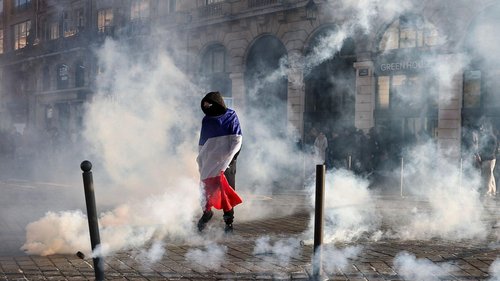
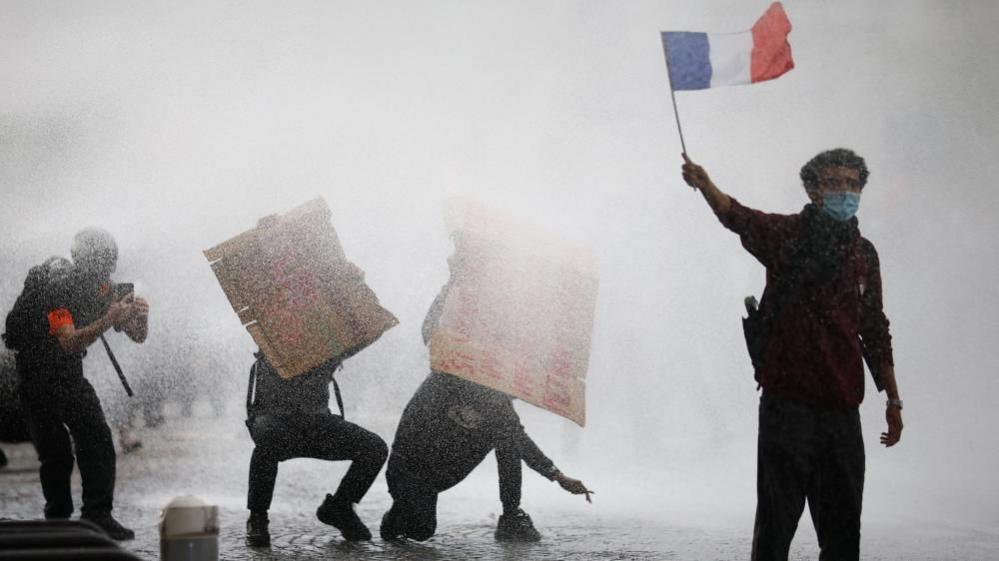
For the past three weeks the streets of Paris and other French cities have been crowded with teenagers and young adults, putting green tyres on school gates to challenge a system that has increasingly been described by critics as “out of step” with their needs. Their demands are centred on higher teacher pay, smaller class sizes and better facilities, but the protests quickly expanded, drawing in members of the labour movement and followers of the long‑running “gilets jaunes” ideology.
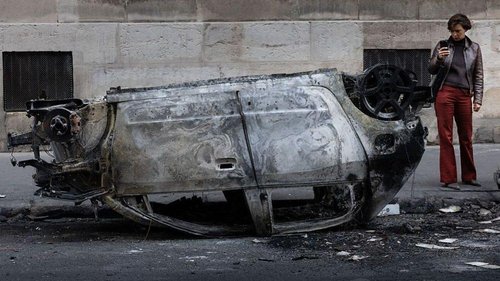
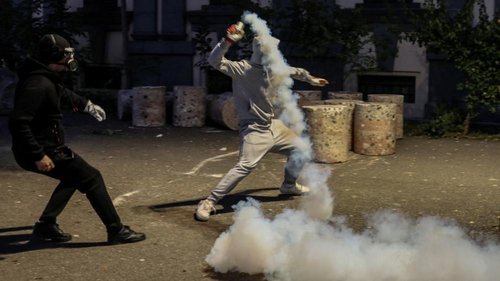
Prime Minister Sébastien Lecornu has publicly accused the radical left of harnessing the upheaval for political mileage. He recently condemned the movement’s escalation as a “movement of urban violence” and suggested that the protests are being used as a platform by France Insoumise to push for a wealth tax, lower voting age and broader reforms that could irritate voters during the presidential cycle.
Mélenchon, however, has taken the floor in student halls, arguing that the protests expose a legitimate grievance against a financing system that sees the state spend nearly 57% of its GDP on public services. “We want change now, not in a distant election,” he told a group of young activists. The picture of the left rallying with “Mélenchon for President!” chants has become a familiar one across Parisian streets.
Economic experts point out that France’s public debt – rising to more than 115% of GDP – is a chronic problem, with arguments that a new president can only offer incremental relief unless there are fundamental changes to spending rules and tax structures. The de‑centralisation of power, advocated by senators such as Anne‑Catherine Loisier, is viewed as a way to allow regions to better manage local budgets for schools and infrastructure, potentially easing some of the pressure that feeds the current wave of student outrage.
As the next presidential election draws nearer, the student movement may become a defining element of French politics, signalling broader public discontent with a system that many feel is slow to respond to the worries of the next generation. Whether the debates that erupt in the streets translate into lasting policy changes remains to be seen, but the voice of young voters is louder than ever.