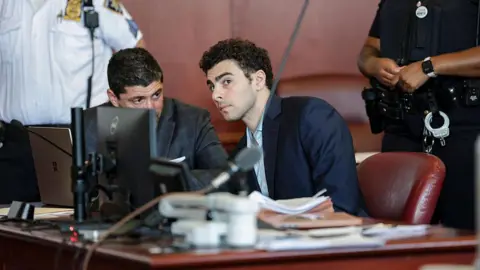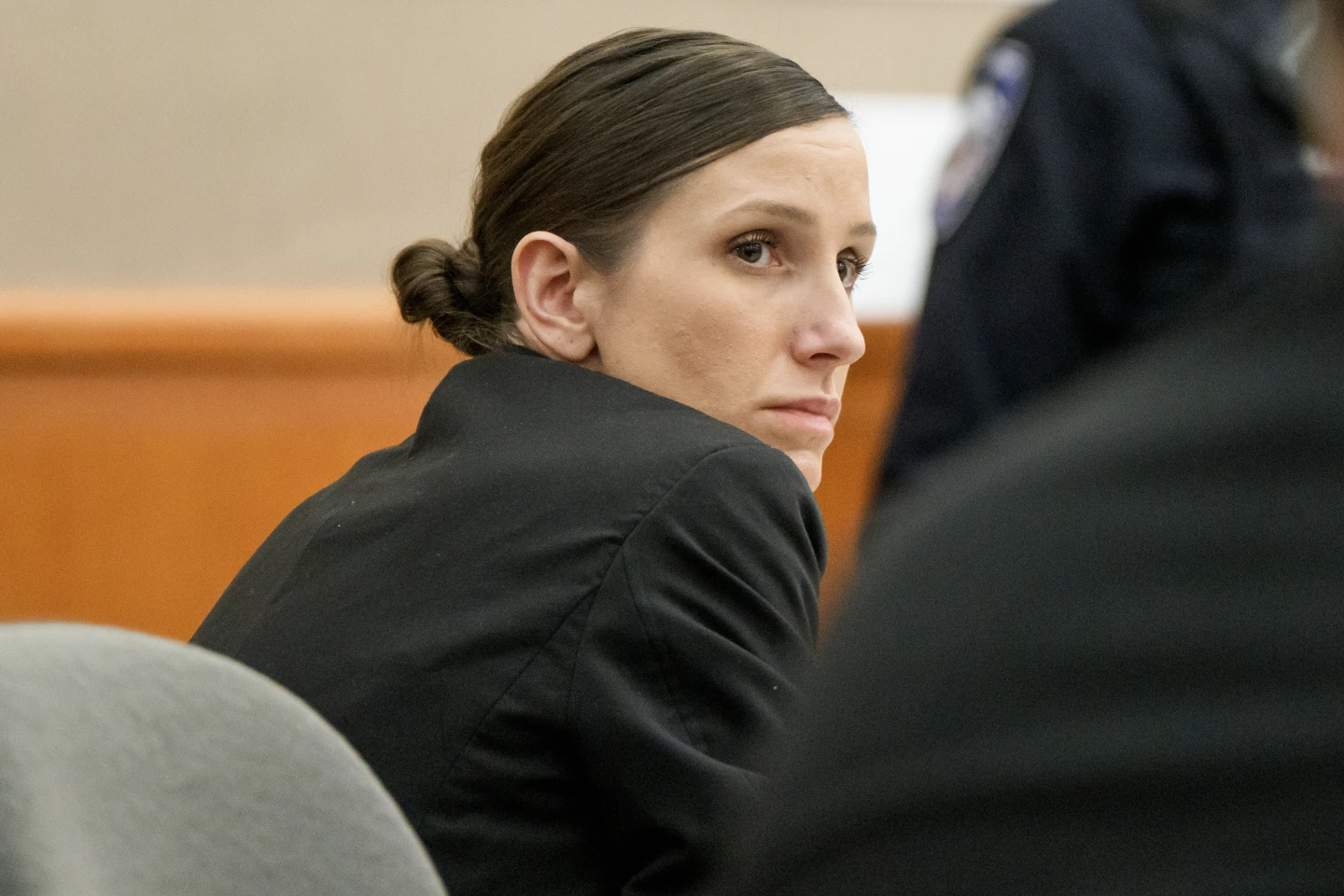
PARK CITY, Utah (AP) — Lawyers are expected to give closing arguments Monday in the trial of Kouri Richins, a Utah woman who published a children’s book about grief after the death of her husband and was later accused of killing him.
What was scheduled to be a five-week trial was cut short last week when defendant Kouri Richins waived her right to testify and her legal team abruptly rested its case without calling any witnesses. Richins’ attorneys said they were confident that prosecutors didn’t produce enough evidence over the past three weeks to convict her of murder.
Prosecutors say Richins, 35, slipped five times the lethal dose of fentanyl into a cocktail that she made for her husband, Eric Richins, causing his death in March 2022 at their home just outside the affluent ski town of Park City.
She also is charged with fraudulently claiming insurance benefits after her husband’s death, trying to kill him weeks earlier on Valentine’s Day with a fentanyl-laced sandwich that made him black out, and other felonies, according to court documents. Richins has pleaded not guilty to all charges.
The most serious charge — aggravated murder — carries a sentence of 25 years to life in prison.
Prosecutors will aim to drive home their argument that Richins killed her husband for his money as she was planning a future with another man she was seeing on the side.
Defense attorneys are expected to argue that the prosecution’s case is full of holes and leaves much to speculation.
Millions in debt
Prosecutors have said Richins, a real estate agent focused on flipping houses, was $4.5 million in debt and falsely believed that if her husband died, she would inherit his estate worth more than $4 million. She had opened numerous life insurance policies on her husband without his knowledge, with benefits totaling about $2 million, prosecutors alleged.
Shortly before her arrest in May 2023, Richins self-published a children’s book about grief to help her sons process the loss of their father. She promoted the book “Are You with Me?” on local TV and radio stations, which prosecutors have pointed to in arguing that Richins planned the killing and tried to cover it up.
Investigators later learned from Amazon that Richins’ mother sent the book.
Defense Challenges Prosecution’s Case
Defense attorneys sought to discredit the prosecution’s star witness, Carmen Lauber, a housekeeper for the family who claimed to have sold Richins fentanyl on multiple occasions. They argued that Lauber did not deal fentanyl and was motivated to lie for legal protection.
The defense also pointed to concerns regarding the credibility of the witnesses brought forth by the prosecution and aimed to show that the evidence presented was circumstantial at best.
Jury Reveal Evidence
Prosecutors showed excerpts of a letter found in Richins’ jail cell that they said appears to outline testimony for her mother and brother. In the six-page letter, Richins instructs her brother to tell her former attorney about Eric Richins allegedly obtaining fentanyl.
The closing arguments could solidify the fate of Kouri Richins, whose story has captivated the public and highlighted both her personal tragedy and alleged criminal actions. The jury's decision could bring closure to a case steeped in controversy.