LOS ANGELES (AP) — A federal appeals court issued an order Wednesday blocking a California law passed in 2025 that required federal immigration agents to wear a badge or some form of identification.
The Trump administration filed a lawsuit in November challenging this law, arguing it jeopardized the safety of officers facing incidents of harassment, doxing, and violence and violated the Constitution by directly regulating federal agencies.
A three-judge panel of the 9th U.S. Circuit Court of Appeals ruled unanimously to issue an injunction pending appeal, having already granted a temporary administrative injunction to pause the law's implementation.
The law in question was one of two major pieces of legislation enacted last fall aimed at curbing federal immigration activities following a crackdown on illegal immigration in Southern California in June. Advocates for the legislation had raised concerns over ICE agents conducting arrests without visible identification.
The second law aimed to prohibit law enforcement officers from wearing masks and other facial coverings. It was blocked earlier this year by a federal judge for discriminating against federal officials, as it did not apply to state law enforcement officers.
During a March 3 hearing, government attorneys argued that the identification requirement infringed upon federal sovereignty and violated the Supremacy Clause of the Constitution.
The appeals court agreed that the law attempted to regulate the United States directly in performing governmental functions.
California's legal representatives contended that the law was meant to improve public safety by ensuring that officers were identifiable, thus reducing the chances of mistaken identity that could lead to violence.
Despite arguments regarding public safety, the court ruled that the federal government’s constitutional rights were paramount in this case. The ruling highlighted that all citizens have a vested interest in upholding the Constitution.
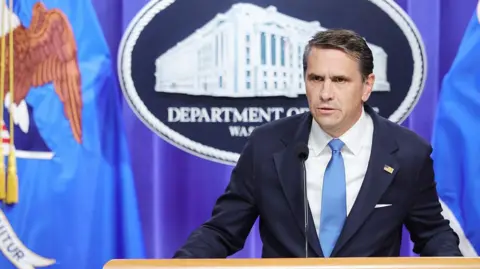
U.S. Attorney Bill Essayli hailed the court’s decision as a “huge legal victory,” while California Attorney General Rob Bonta’s office stated they would review the implications of the ruling, emphasizing the need for transparency in law enforcement.