In brief
In 2026, India's National Eligibility cum Entrance Test (NEET) paper was leaked, forcing a re‑test that left more than two million candidates re‑examining their future. The upheaval led to the deaths of at least twenty students, including 17‑year‑old Kahaan Patel and 23‑year‑old Pradeep Kumar, whose families battled the fallout. As grief turned into public outcry, protestors marched in Delhi and a student‑led rebellion of the "Cockroach Janta Party" brought the Education Minister Dharmendra Pradhan to his knees. While the government pledged compensation, the tragedy highlights systemic flaws in India’s examination system and the mental health toll on young aspirants.
When the central government announced that the 2026 National Eligibility cum Entrance Test (NEET) paper had been leaked, the backlash was immediate and brutal. Nearly two million hopeful candidates were told the exam had been cancelled and a full re‑test would be held, sparking a wave of anxiety that turned deadly for many.
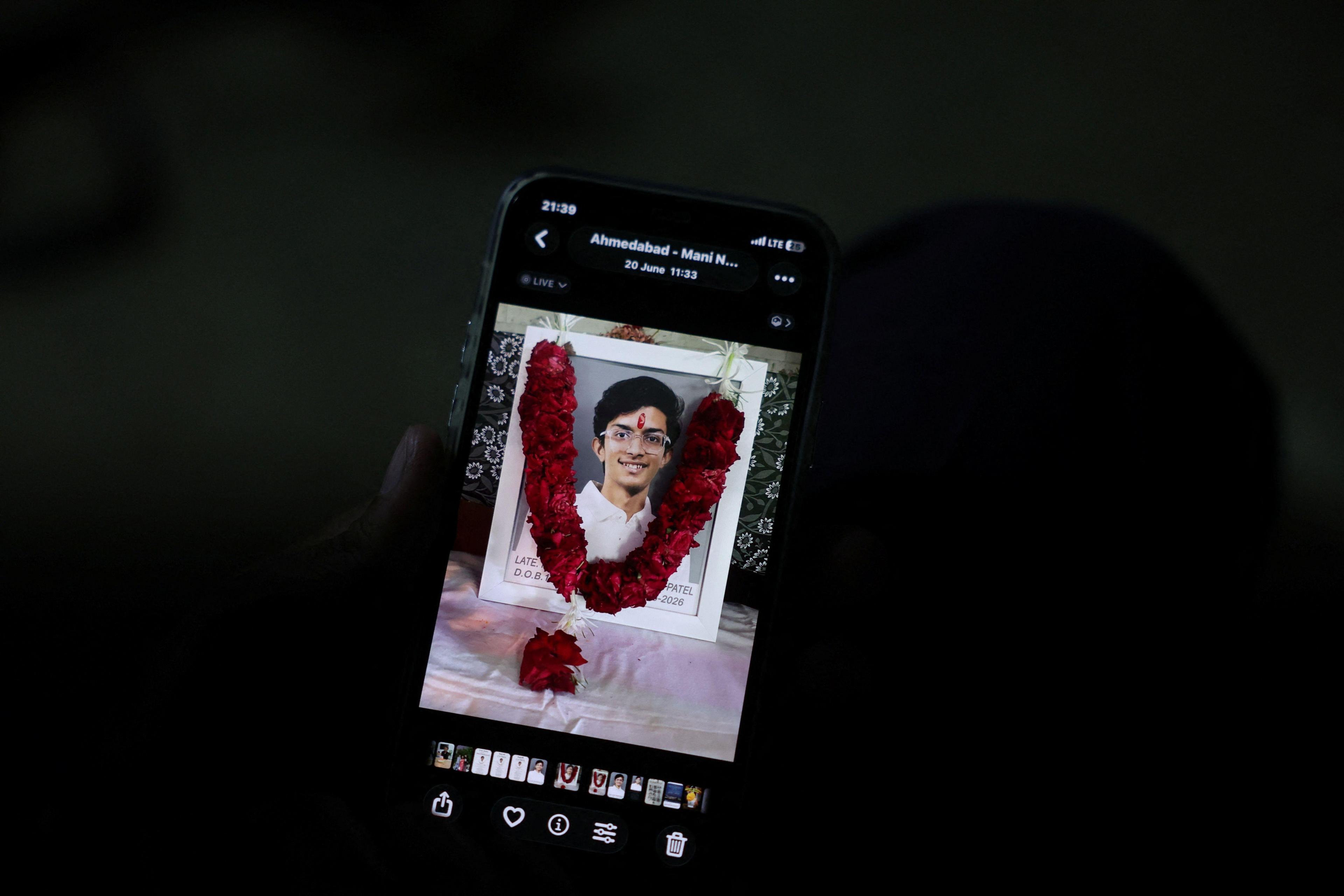
One of the first victims was 17‑year‑old Kahaan Patel of Ahmedabad. Three days before his retest, he jumped from the sixth floor of his family’s apartment, a tragedy that shocked a city still buzzing with school‑to‑college transition worries.
Another heartbreaking case was 23‑year‑old Pradeep Kumar from Rajasthan. His family had liquidated land to finance his coaching hours, and he had been on the brink of securing admission in a government medical college. After the leak, he found himself staring at a cycle of repetition, and on the eve of the retest he chose to end his life.
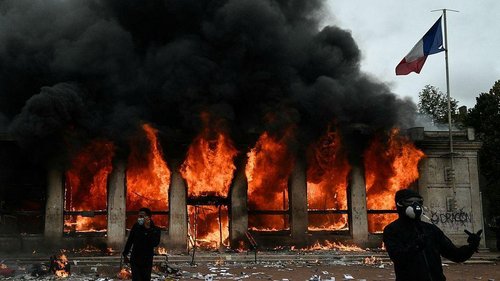
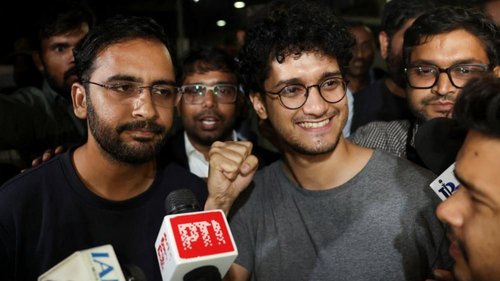
The headlines, however, were not the only voice. Within weeks, students flooded the streets of Delhi in a coordinated demonstration that would later be described as an unprecedented youth uprising. Thousands marched, chanting “accountability”, and the slogan‑driven movements of the satirical Cockroach Janta Party were seen in the bustling markets and highway junctions.
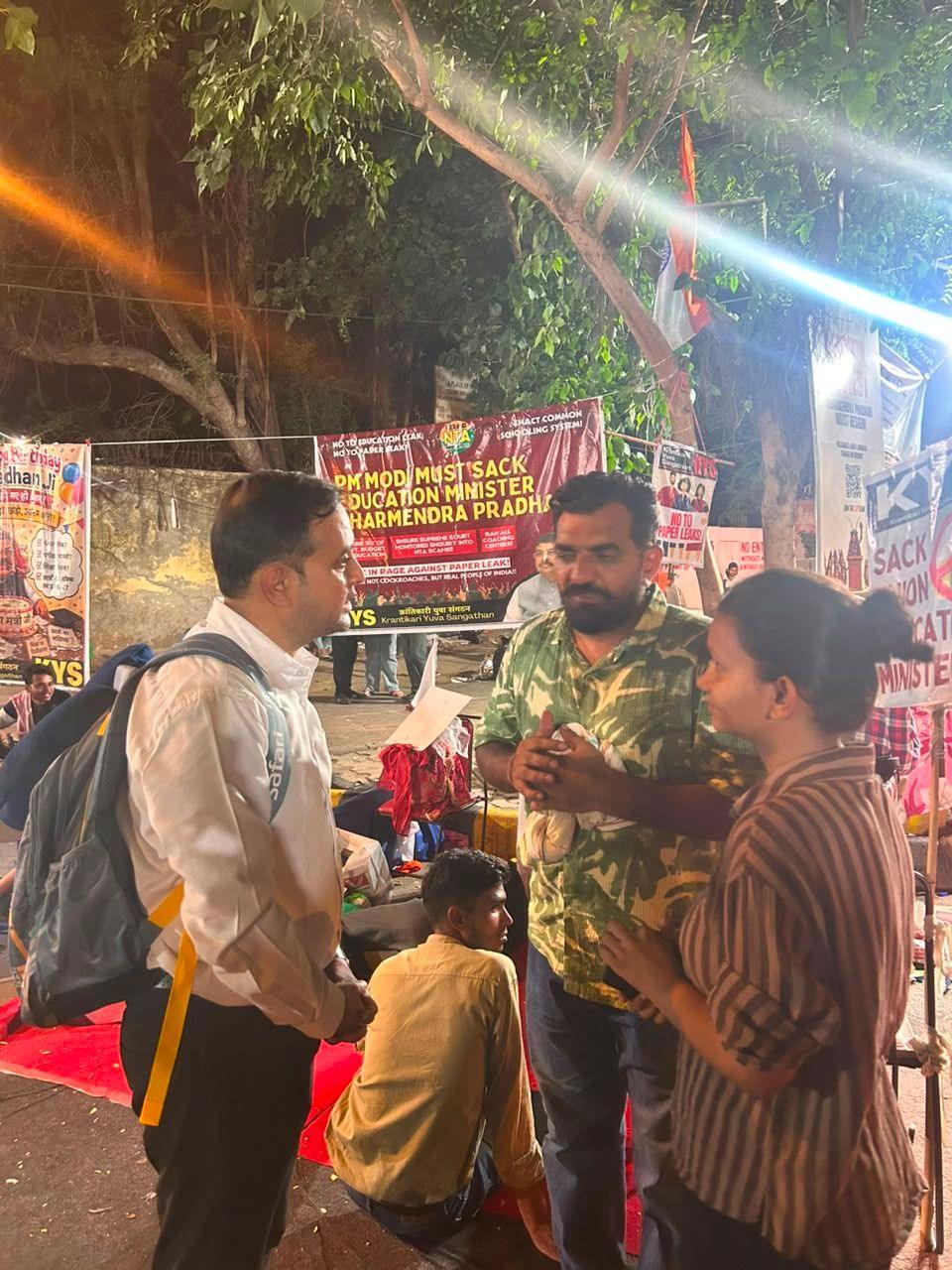
The pressure was relentless. Education Minister Dharmendra Pradhan stepped down on 25 July, after a wave of student protests and a confrontation between demonstrators and police. The government said it would provide compensation to families of those who lost their lives, but the cost of the lesson echoed far beyond the financial figure.
What remains most chilling is the cumulative silence left behind when young people struggle under the weight of a system that promises a future only to deliver a collapse. The families of Kahaan and Pradeep, who refused to accept a tidy apology, now advocate for a conversation that must begin before students suffer an escalation of mental distress.
As the protests faded, the question persists: "How many more lives will be devalued in the pursuit of an exam‑centric path to success?" While India declares it stands ready to rebuild standards, the wounds sustained in 2026 await a resolute commitment to safeguarding the aspirations of its youth.