In brief
A group of women in Spiti Valley, Himachal Pradesh, have taken on the role of protecting snow leopards, integrating conservation efforts with community empowerment. Often referred to as the 'ghosts of the mountains', snow leopards face challenges due to changing perceptions and environmental shifts. Through training and collaboration with conservationists, these women are not only preserving wildlife but also changing community attitudes about this iconic species.
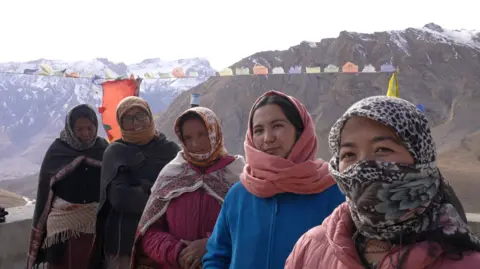
In one of India's coldest and most isolated regions, a group of local women has bravely stepped forward to protect one of Asia's most elusive predators: the snow leopard. These majestic animals can only be found in 12 countries across Central and South Asia, with India hosting one of the largest populations. A recent nationwide survey in 2023 estimated over 700 snow leopards within the country's mountainous terrains.The women working in the Kibber village of Himachal Pradesh's Spiti Valley have formed a team called 'Shenmo,' a local name for the snow leopard. They collaborate with the Himachal Pradesh forest department and conservationists to monitor and track these elusive creatures. Trained in using camera traps equipped with unique IDs, they help capture images of passing snow leopards, thus contributing significantly to conservation data.Despite initial hesitation, the women recognized the need for sustainable practices in maintaining the fragile mountain ecosystem, ultimately shifting local perceptions about the snow leopard from threats to valued predators essential for ecological balance. Their participation in conservation was initially a means to earn income during the long winters; however, it has led to greater awareness of the significance of snow leopards within their community.Collectively, they assist in broader conservation initiatives and promote livestock insurance schemes to give villagers financial support without resorting to retaliatory measures against predators. The local community now sees snow leopards as allies in maintaining biodiversity, acknowledging their role in the ecosystem.As climate change continues to impact the fragile Himalayan environment, community involvement in conservation efforts becomes increasingly crucial to securing the future of species like the snow leopard. The journey these women have undertaken symbolizes hope, empowerment, and a path toward sustainable coexistence with nature.