In brief
Metinvest CEO Yuriy Ryzhenkov has warned that the European Union's new steel quotas unfairly bundle Ukraine together with low‑priced competitors such as China. He says the tariffs, which cap tax‑free imports at 18.3 million tonnes a year, cut Ukrainian exports by 50–60 percent and threaten the industry’s survival amid ongoing war damage. Ryzhenkov calls for a carve‑out and stresses Ukraine’s unique security situation. Despite a free‑trade agreement, the EU stresses it has considered Ukraine’s circumstances, yet the measures remain in place, raising questions about the balance between protection and wartime support.
Metinvest chief executive Yuriy Ryzhenkov has said the European Union’s recent steel import restrictions are unfair, grouping Ukraine together with cheaper competitors such as China.
The EU has capped the amount of steel that can enter the bloc tax‑free to 18.3 million tonnes per year, a 47 % cut from 2024 levels. While some country‑specific quotas exist, the aim is to protect member states’ steelmakers from low‑priced imports.
A European Commission spokesperson said the policy took Ukraine’s difficult circumstances into account, but the trade protection measures were still deemed necessary to guard the EU’s own industry.
Ryzhenkov says Ukraine has been “bundled together” in these measures, pointing to Russia’s war as the reason for the need for special treatment. He hopes the bloc will carve out an exception, adding, 'Access to the EU market is crucial for survival.'
Industry estimates that Ukrainian steel exports to the EU could dwindle by 50‑60 percent under the current rules, a figure that comes with a tick‑down on existing free‑trade agreements.
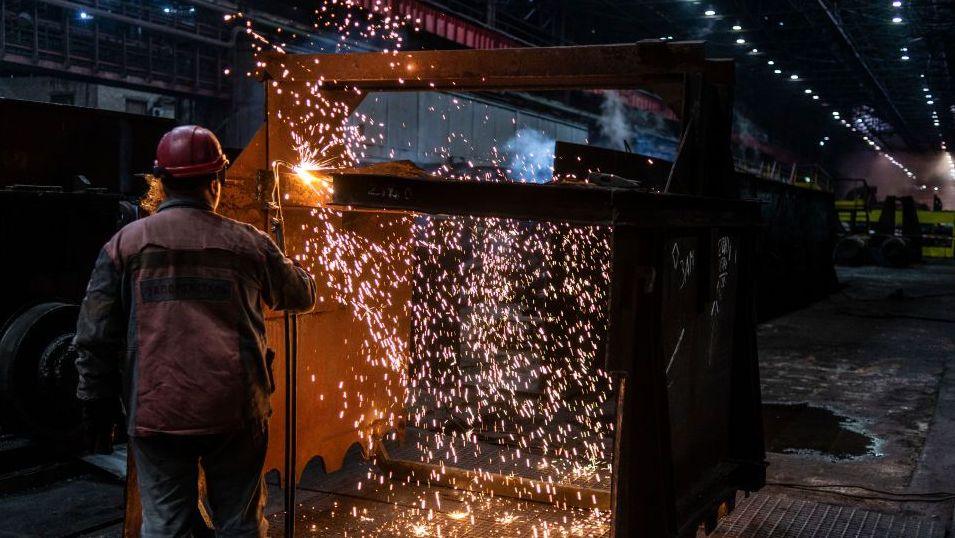
The war has also taken a staggering toll on the sector. Since 2022, all Ukrainian steel mills have endured at least one strike, with the damage intensifying in recent months. Ryzhenkov notes that in September Ukraine produced zero tonnes of steel for the first time in 150 years, and almost 800 Metinvest workers have lost their lives.
Despite improved sheltering at the plant, Ryzhenkov cautions that “you cannot cover a whole steel mill to avoid it being damaged.” He predicts the coming winter will be “one of the hardest in our history,” as logistics break down and the market shrinks.
The ongoing conflict and EU tariffs together pose a double‑edged threat to Ukraine’s metallurgical industry, a backbone of its economy and a key export sector to the continent. Metinvest’s CEO is calling the EU to understand the nation’s precarious position and to tailor its protectionism to preserve a vital lifeline for Ukraine.