Arizona court orders resentencing after AI‑generated victim impact video deemed improper
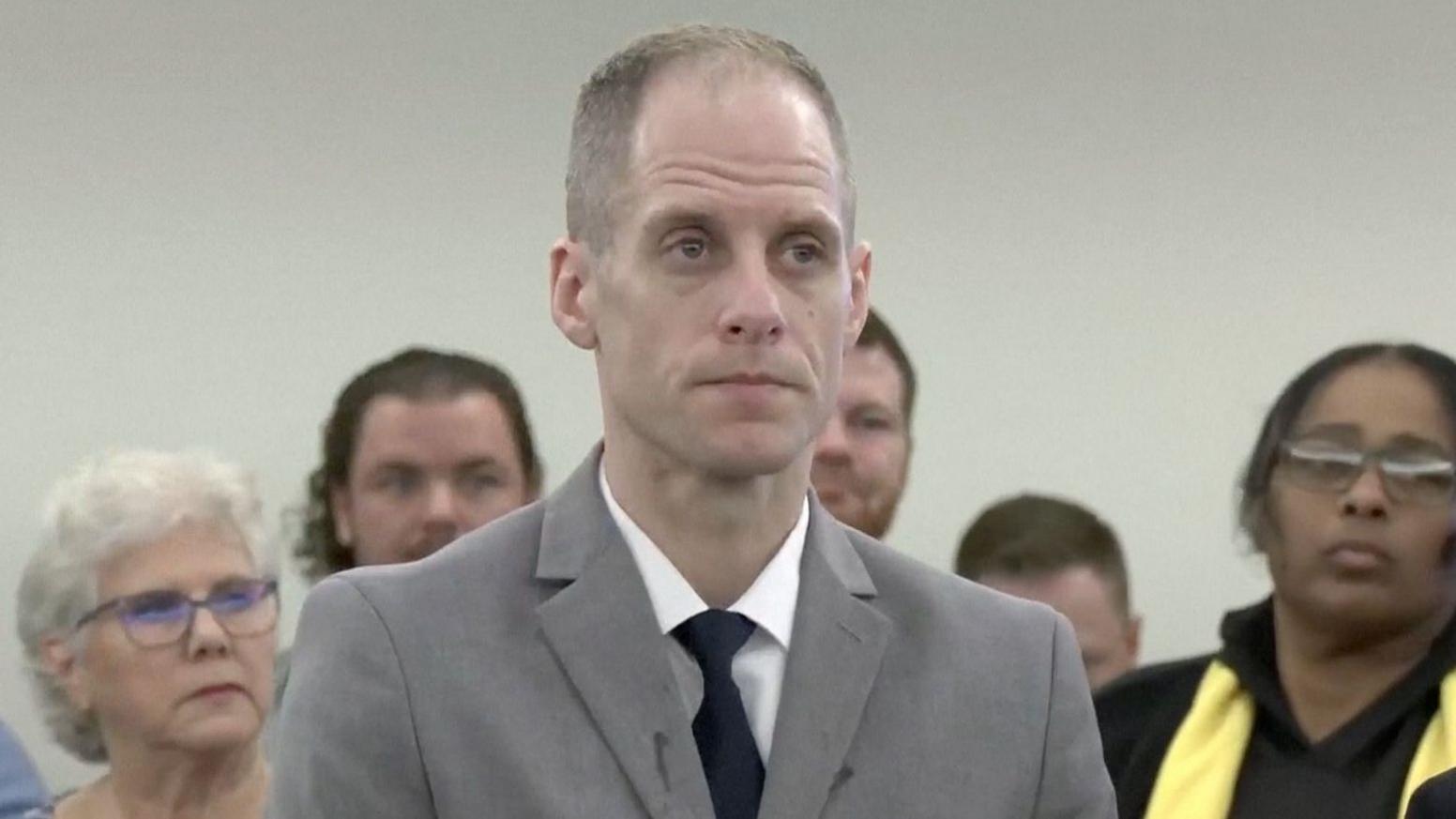
Gabriel Paul Horcasitas, 55, was sentenced to ten years in prison for the 2021 shooting death of Christopher Pelkey, 37, during a road‑rage confrontation at a red light. But last month the Arizona Court of Appeals reversed that sentence after ruling that an AI video of Pelkey—created by his sister using voice recordings, photos and video—was improperly shown to the court.
The court said the “AI video presents a depiction of the victim and his thoughts created from the imaginings of the victim’s sister,” and that it crossed a line that could prejudice the jury and the court system.
Judicial opinions highlighted the issue: the trial judge, Todd Lang, had praised the clip as “genuine” and saw the forgiveness message it carried as valuable. Yet the appellate panel found the clip’s use violated due‑process principles, forcing a resentencing hearing.
Horcasitas’ lawyer, Kristen Reller, filed the appeal but did not comment on the decision. An attorney for the victim’s side did not respond to requests for comment.
Stacey Wales, Pelkey’s sister, told the BBC that the family reconstructed her brother with audio, videos and photographs, hoping the synthetic video would tell a final message. It played in court in 2025, where the AI version said: “To Gabriel Horcasitas, the man who shot me, it is a shame we encountered each other that day in those circumstances… I believe in forgiveness.”
That moment of artificial forgiveness stirred debate about the right of family to memorialize loved ones in court, and the implications for future cases. As technology advances, courts will need clearer guidelines on using synthetic media during trials.