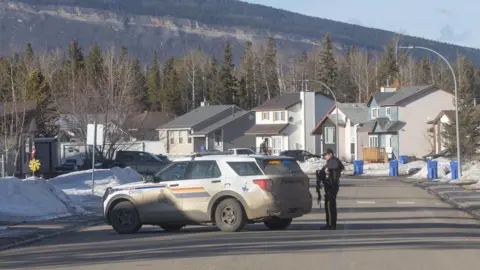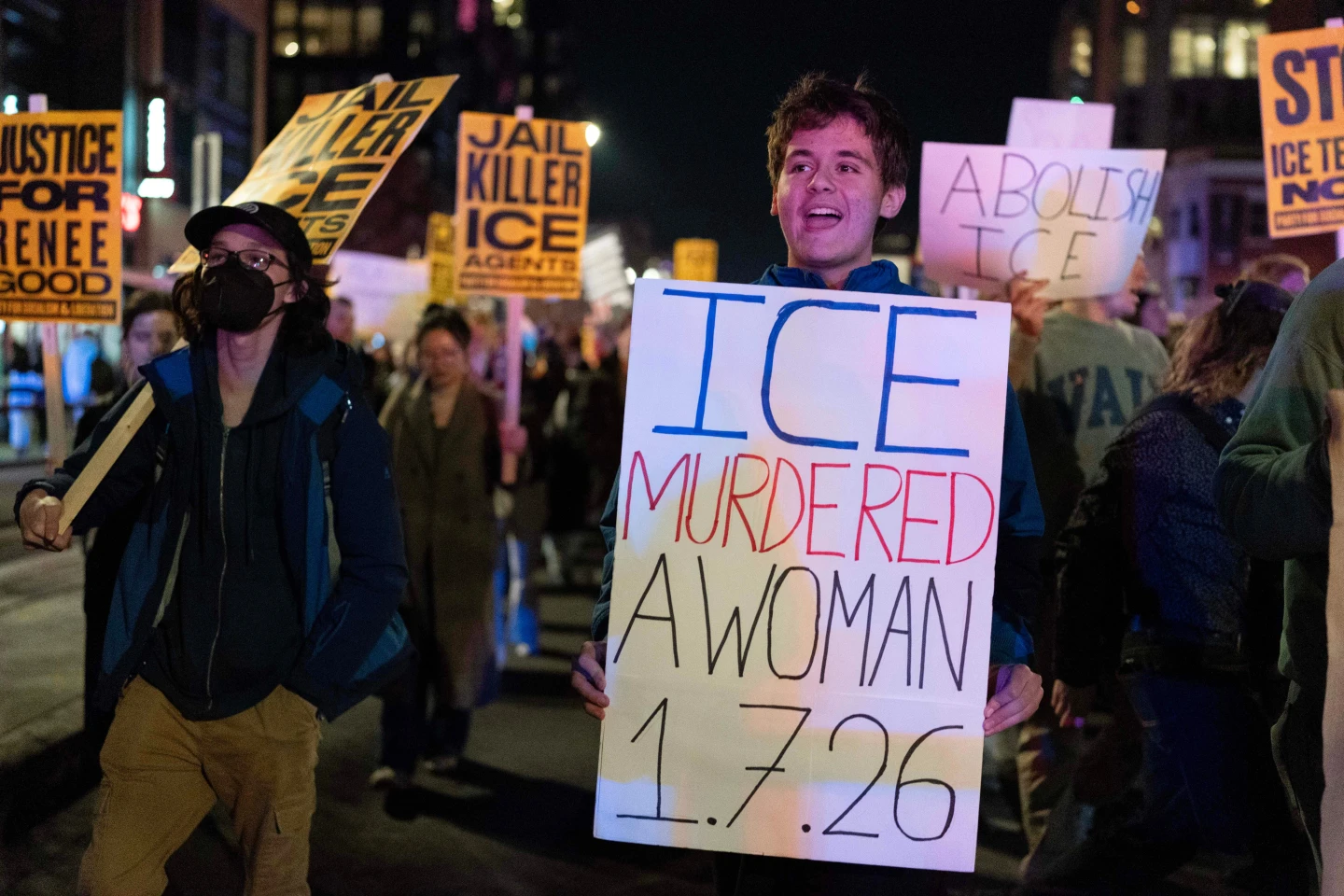
The federal officer steps in front of the Honda SUV, parked nearly perpendicular across a one-way residential street in Minneapolis. In a matter of moments, he would shoot and kill the driver, Renee Good, a 37-year-old mother of three.
Federal officials have stated that the officer acted in self-defense, alleging that Good was engaging in “an act of domestic terrorism” when she moved her vehicle toward him. However, many policing experts find the officer's actions concerning and contrary to proper law enforcement guidelines.
‘A Dangerous Decision to Make’
Videos from bystanders show the Honda not blocking traffic as screams and whistles fill the air. While some heckle the officers on scene, an exchange escalates when the officer yells at Good to get out of the car while aggressively trying to open the driver door.
Geoffrey P. Alpert, a policing expert, called it “absurd” for an officer to stand in front of a moving vehicle, emphasizing the inherent danger of such a position. Former police chief Darrel W. Stephens echoed these sentiments, highlighting the years of training discouraging such behavior in law enforcement.
‘A 4,000 Pound Unguided Missile’
Homeland Security Secretary Kristi Noem characterized the incident as an “act of domestic terrorism,” with President Trump supporting the officer's actions amid ongoing debates regarding the justification for using lethal force.
However, experts argue that most police protocols recommend against firing upon moving vehicles due to the potential for increased public safety risks. The officer fired multiple shots, ultimately striking Good, who was pronounced dead shortly after the incident.
Drops of Blood Stain the Snow
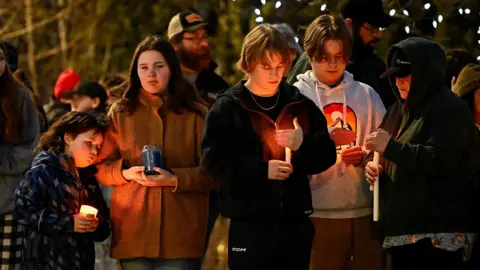
As the situation escalated, pedestrians watched in horror as the incident unfolded, with cries of “murderers!” directed at the officers. The aftermath of the shooting, with blood staining the snow, has left the community grappling with the heavy implications of this tragic encounter.
University of Chicago law professor Sharon Fairley stated that the investigation must thoroughly examine the choices made by the officers involved and whether their actions followed protocols designed to protect both police and civilians.