China Reduces Fuel Price Increases Amid Energy Crisis
In a significant policy shift, China has dialed back on planned fuel price hikes in an effort to reduce the financial burden on drivers. This decision comes as energy costs soar, largely attributed to the ongoing conflict in Iran, which has significantly affected the global oil supply.
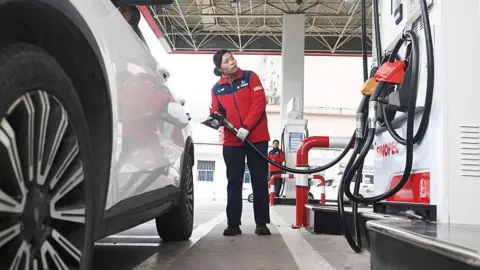
The local price of petrol has surged approximately 20% since the onset of the conflict, which has seen Iran effectively close the Strait of Hormuz, one of the world’s busiest oil shipping routes. Initially, gasoline and diesel prices were expected to rise by 2,205 yuan (£239; $320) and 2,120 yuan per tonne respectively. However, government adjustments will nearly halve these increases to 1,160 yuan and 1,115 yuan, beginning Tuesday.
Currently, over 300 million people in China rely on petrol and diesel vehicles, with Gulf countries serving as a primary oil source. Over the past weekend, reports indicated long queues at petrol stations across numerous Chinese cities, some of which had to post notices indicating they had run out of fuel.
This latest price hike, now moderated, remains the country's fifth and largest of the year. On Tuesday, Brent crude oil prices surpassed $100 per barrel, creating further pressure on energy costs amid contradictory reports regarding U.S.-Iran discussions on sanctions and oil exports.
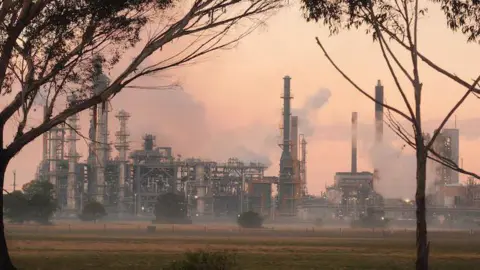
Despite having substantial oil reserves built over the years, Beijing has opted for cautious measures to manage its short-term supplies. Reports suggest that authorities have ordered oil refineries to temporarily halt fuel exports to keep domestic prices steady. The Chinese government has yet to respond to inquiries regarding this matter.
In a broader regional context, several Asian countries are implementing measures to combat rising fuel costs. For instance, public workers in the Philippines have been ordered to reduce working days, and similar strategies to conserve fuel are being adopted in countries like Thailand and Sri Lanka.
As the conflict in Iran continues to put pressure on energy resources, the situation in China and across Asia remains fluid, prompting ongoing government interventions to stabilize the market and ease the burden on consumers.