Antonio Bustamante has kept a watercolor of labor leader César Chavez for over 35 years in his law office in Yuma, Arizona. Once inspired by Chavez’s achievements and activism, Bustamante now faces a painful reckoning as allegations of sexual abuse surface.
“I’m trying to understand how I reconcile my admiration for him as a great man with the allegations against him,” Bustamante said, clearly emotional. The shifting perception of Chavez’s legacy prompts reflections throughout immigrant communities he championed.
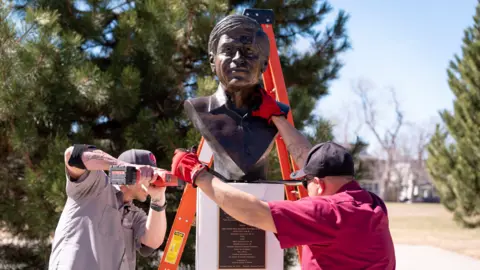
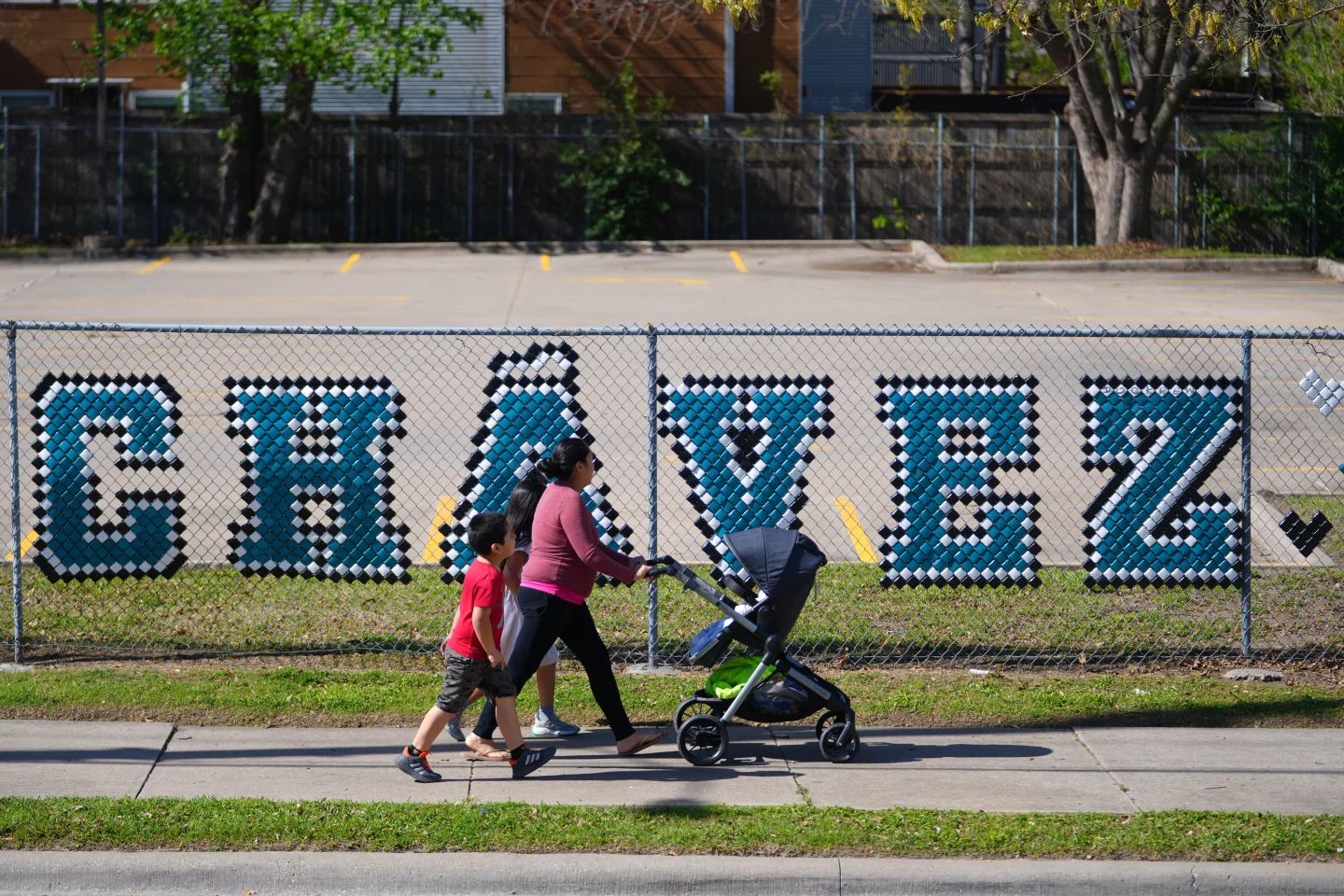
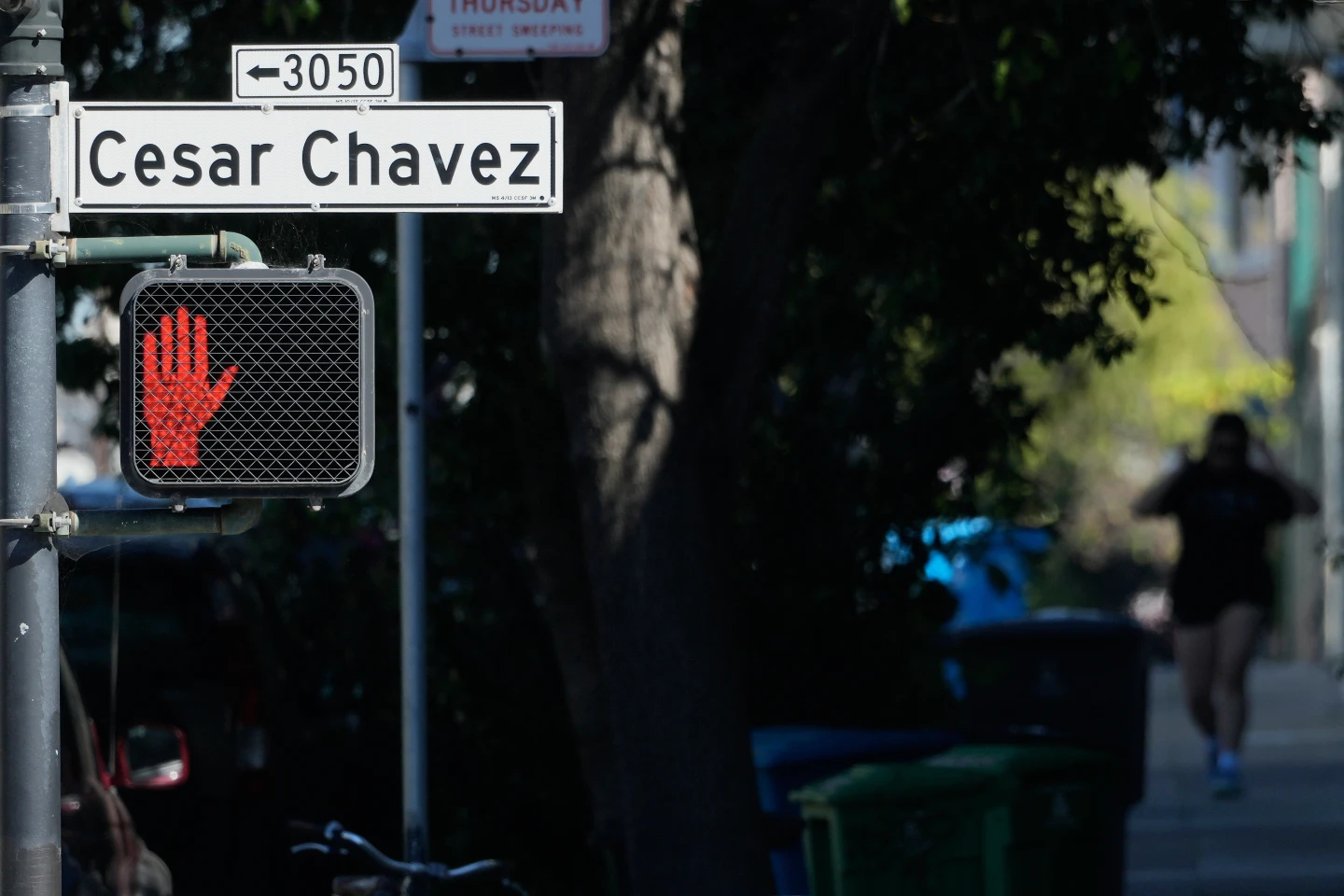
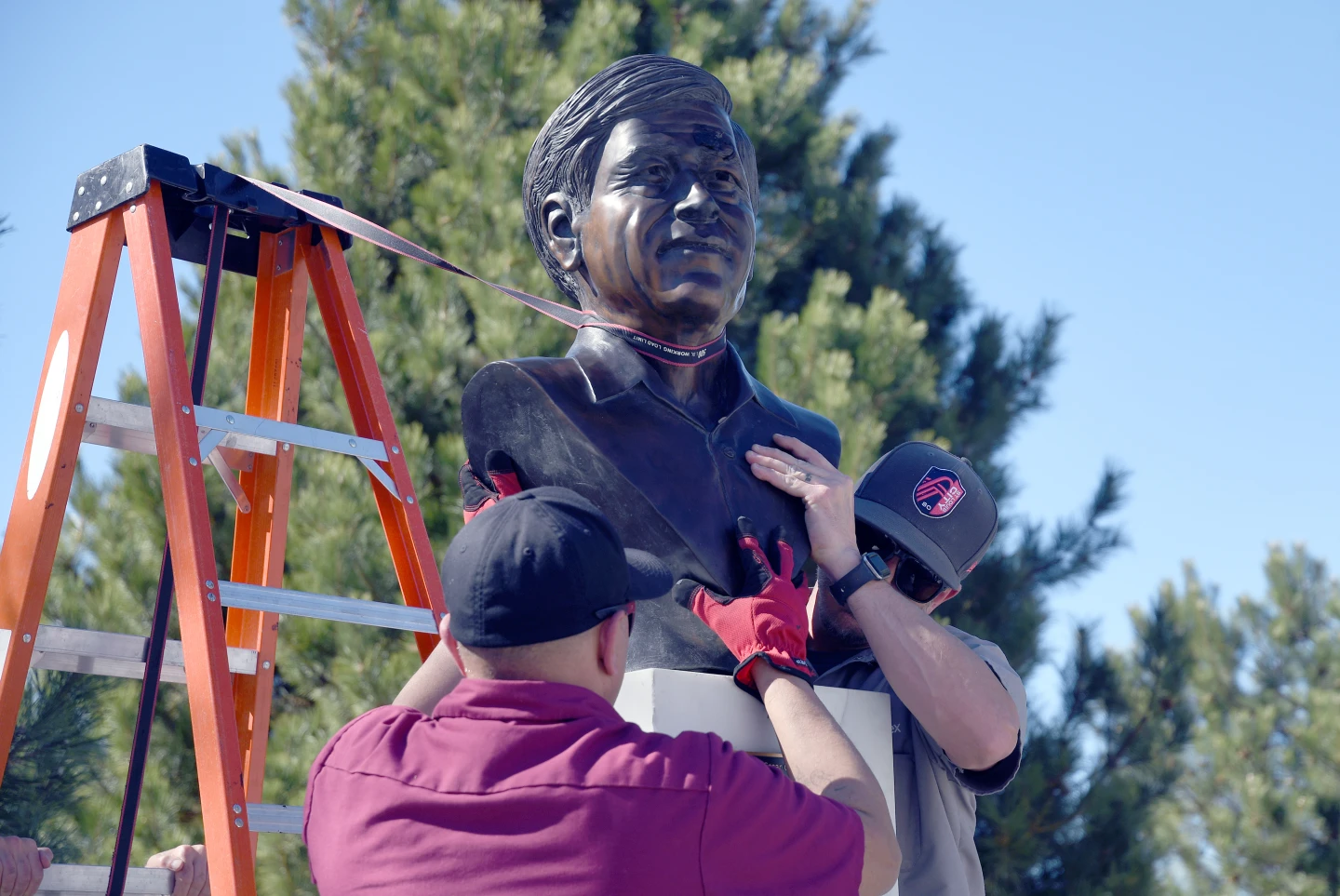
Chavez gained national acclaim for his role in establishing better conditions for farmworkers, co-founding the United Farm Workers union and leading significant protests and negotiations. Yet, a recent report by the New York Times regarding sexual abuse allegations against him has thrown his legacy into question. Many are now reevaluating how he should be remembered, with monuments, streets, and public honors being reconsidered or removed.
Bustamante recounted learning about these allegations from an old friend who warned him of the upcoming news. Feelings of devastation swept through him and his community, many of whom viewed Chavez as a beacon of hope.
Chavez’s partner in activism, Dolores Huerta, also came forward with her own experiences, further complicating the narrative around Chavez’s legacy. As discussions unfold, prominent figures within the United Farm Workers and advocacy groups emphasize that the accomplishments of the broader movement must be honored and recognized, rather than attributing them solely to one individual.
Teresa Romero, the organization’s president, articulated the complex duality of Chavez, recognizing both his wrongdoings and his historic contributions. “César Chavez the man and César Chavez the organizer are not separate—they exist together,” she emphasized.
Public outcry following the allegations has led to the swift cancelation of events that celebrated him, with some officials stating they would no longer commemorate César Chavez Day. Critics argue that these actions undermine the narrative surrounding his legacy, with some calling for a balanced reflection of his impact on civil rights and labor movements.
Despite the current wave of reevaluation, many believe Chavez’s contributions to labor rights and social justice remain significant. Yet, the ongoing conversations compel his supporters to confront a painful truth about their idol, illustrating the complexities of heroism.
“There will always be an asterisk next to Chavez’s name,” Bustamante reflects. “As we grapple with the truth, we must consider how to honor the essence of what he stood for while acknowledging the pain he may have caused.”