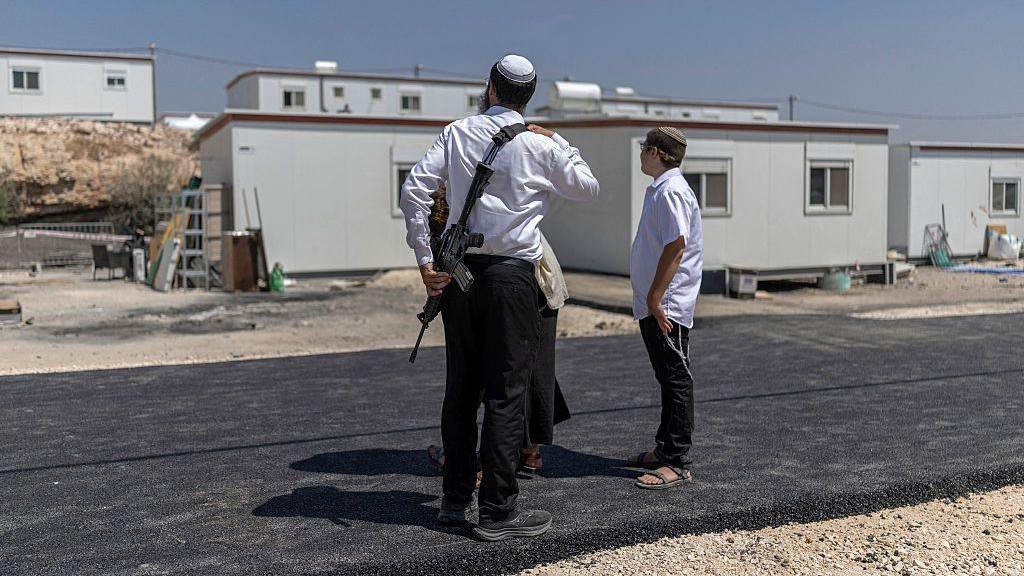
The United Kingdom, together with 11 other governments, has imposed a ban on trade with Israeli settlements in the occupied West Bank, following a 2024 International Court of Justice ruling that the occupation is unlawful. The policy, announced by Foreign Secretary Ed Miliband, includes prohibitions on settlement‑produced goods and companies that finance or construct settlement infrastructure. Miliband described the impact as a “reset” in British policy and argued that the policy should mirror the “unlawful” status of settlements.
Israel’s reaction was swift and severe. The country quickly shut its consulate in East Jerusalem and withdrew its representatives from the International Gaza Support Centre in London. These moves, seen by many as hostile, underscore how deep the anger is among Israeli officials after the policy was announced on Tuesday.
While the economic damage from settlements is not huge, the symbolic weight of singling these products out is significant. Miliband referenced “ethnic cleansing” and “settler terrorism” as key reasons for banning settlement goods, a stance that was met with an almost immediate backlash from Israeli government officials.
Parliamentary and diplomatic voices on both sides highlight how the move marks a turning point. Palestinians welcome the sanctions as a step toward independence along 1967 borders, though the occupation remains largely unchanged. British officials acknowledge that the policy could change the power dynamics, but investors warn that only a country with real influence—such as the United States—might reverse their stance.
As the United Kingdom pushes forward with these new restrictions, the broader implications for international aid and the Israeli‑Palestinian conflict will continue to unfold. The conflict over settlement expansion, violence in West Bank villages, and the future of a two‑state solution remain at the forefront of global attention.