In brief
The oldest baby boomers, a group that significantly shaped American culture, will turn 80 in 2026. This transition highlights the broader societal shifts as the population ages. Prominent figures from this generation include celebrities and former presidents. The changes in demographics, including lower birth rates and increasing life expectancy, raise concerns regarding economic pressures on social welfare systems. Comparatively, younger generations are facing unique challenges in achieving traditional life milestones, signaling a departure from the boomers' experiences.
The oldest baby boomers — once the vanguard of an American youth that transformed culture — are set to turn 80 in 2026. This milestone signifies a significant moment in American demographics as this generation, known for its cultural influence, steps into their senior years.
Boomers, born between 1946 and 1964, are noted for their contributions to consumerism, education, and social justice movements. Notable figures like actor Henry Winkler and musicians Cher and Dolly Parton represent this cohort, now facing the realities of aging.
As the boomer generation ages, they are part of a broader demographic shift: the U.S. population is aging rapidly, with projections indicating the senior demographic will grow significantly by 2050. The share of those aged 65 and older in the U.S. population is expected to rise from 18.7% in 2025 to nearly 23% by 2050.
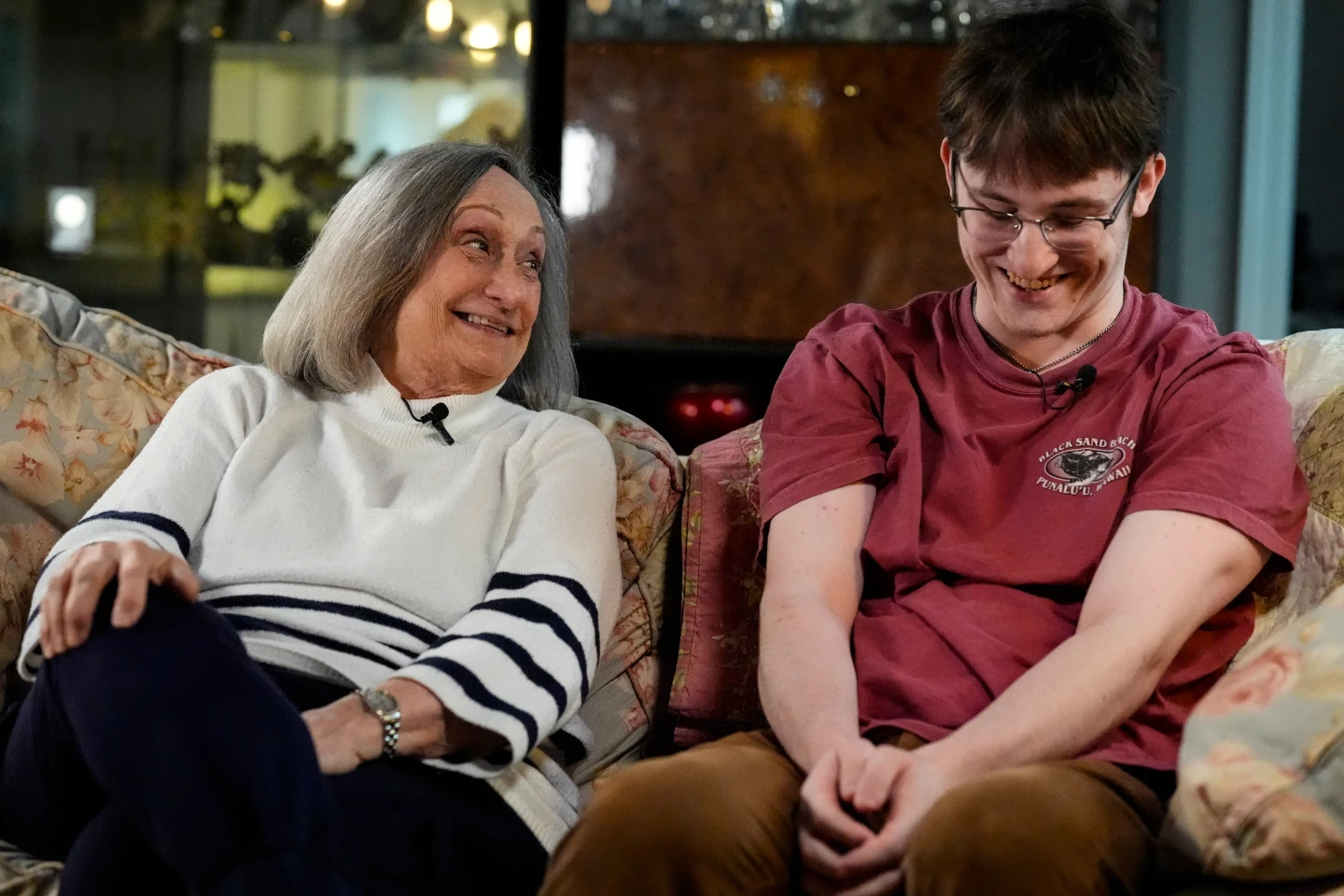
However, as the older generation transitions, the younger generations are experiencing a contrasting reality. Unlike their predecessors, today's youth are delaying traditional life milestones like marriage and parenthood due to economic uncertainties. This generational divide is exemplified in the stark differences in life trajectories, with millennials and Gen Z facing higher living costs and job market challenges.
Experts note that the aging boomers could constrain economic growth due to a shrinking workforce, putting pressure on social security and healthcare systems. This raises questions about how the U.S. will support its aging citizens while nurturing a budding youth population.
As we enter a new era, the interplay between boomers and subsequent generations will have profound implications for American society. While the boomers redefine what aging looks like, the younger generations will be tasked with navigating an economy and culture shaped by their predecessors.