In brief
Health officials clarify that while there is an increase in cases, HMPV is not akin to Covid-19, with most individuals experiencing mild symptoms.
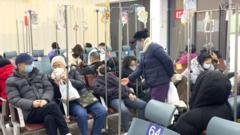
In recent weeks, Beijing has witnessed a notable influx of flu-like human metapneumovirus (HMPV) infections, particularly affecting children. Social media has been flooded with images of crowded hospitals, raising fears reminiscent of earlier pandemic alerts. However, public health experts explain that the seasonal spike in HMPV cases is far from being a new pandemic threat. HMPV, first identified in the Netherlands in 2001, typically causes mild respiratory infections similar to the flu for the general population. According to doctors, almost all children will have been infected by their fifth birthday. Transmission occurs through direct contact or by touching contaminated surfaces, with symptoms including cough, fever, and nasal congestion. The most vulnerable groups include very young children under two and individuals with weakened immune systems, such as the elderly or those with advanced cancer. In more serious cases, particularly in immunocompromised individuals, HMPV can lead to severe lung complications necessitating hospitalization.The current increase in HMPV instances in China aligns with seasonal patterns, where respiratory infections often peak during winter and spring months due to factors like cold weather promoting indoor gatherings. This pattern is not unique to China, as health data from the US and UK depict a similar uptrend since October. Experts like Jacqueline Stephens note that while there is cause for concern, the current spike is typical for the season.Unlike Covid-19, health authorities assert that HMPV is a recognized presence worldwide, having circulated for decades. This long history contributes to a baseline immunity among the population, diminishing the likelihood of a global crisis. Experts caution that despite the rising cases, vigilance through standard health practices—such as wearing masks in crowded spaces and maintaining good hand hygiene—remains essential, particularly for those at higher risk. As public health responses continue, experts stress that there are no signs indicating a forthcoming major health emergency linked to HMPV.