In brief
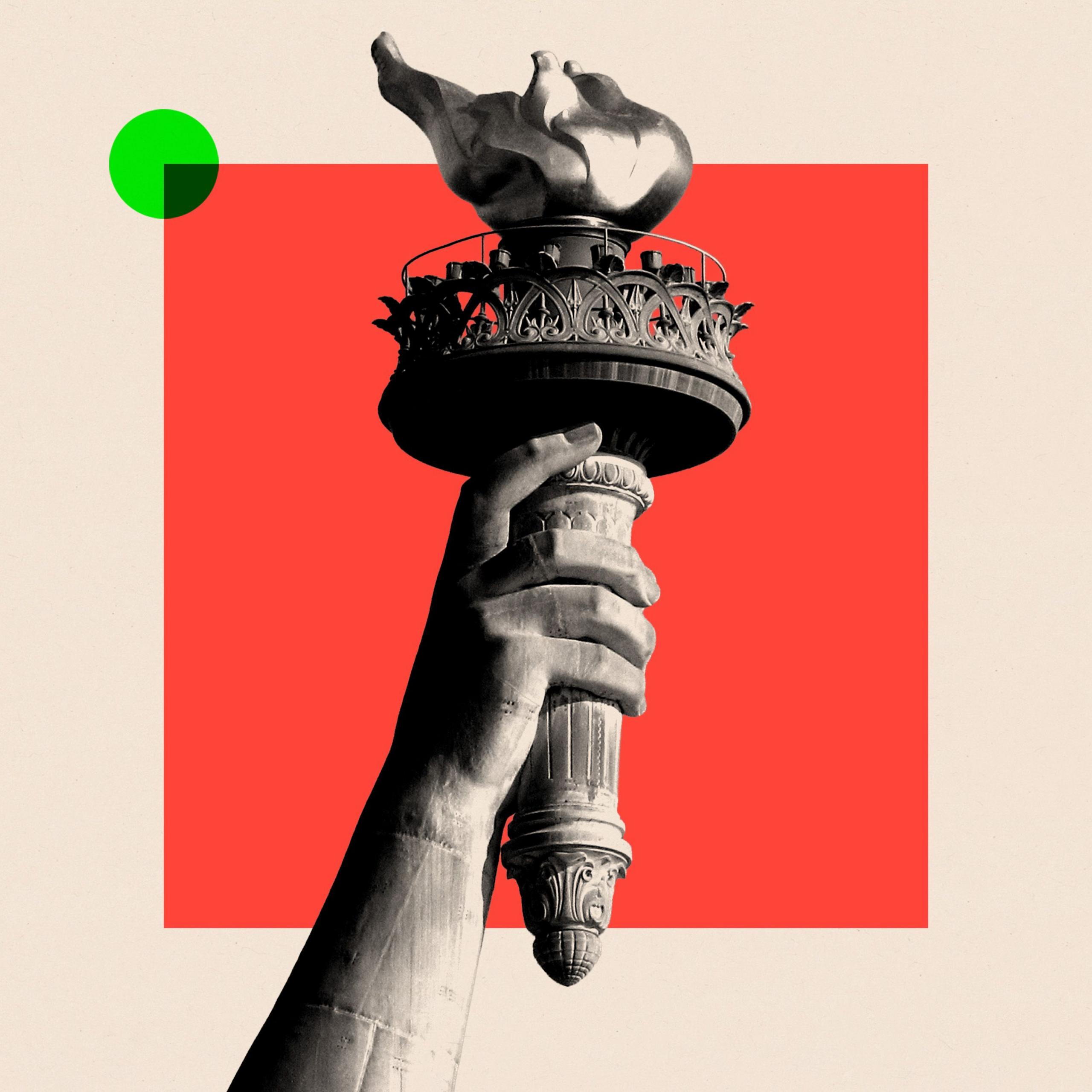
The story of Abdi Nor Iftin, a Somali refugee who arrived in the US through the diversity visa lottery sixteen years ago, highlights the fragile state of the American Dream as the country turns 250. Despite initial idealism and early success, changing immigration policies, economic inequality and political polarisation have eroded the promise of opportunity for newcomers and native-born alike. Interviews with actors, researchers and everyday citizens reveal a growing scepticism and a rising trend of Americans leaving for better prospects abroad.
After sixteen years of almost living the American Dream, Somali refugee Abdi Nor Iftin can only admit, “It feels alive, but not well.” He entered the United States in 2010 after winning one of 50,000 diversity visas awarded from eight million applicants. Now, thirty‑seven, he has lost his job and health insurance, and his future in a small Maine town feels increasingly uncertain.
Iftin’s personal narrative echoes a larger trend. Surveys from the Associated Press‑NORC and Pew reveal that only about a third of Americans believe the Dream still exists, while most think the country’s best days are over. The 1970s marked the start of a decline, and a 2008 financial crisis pushed prospects for home‑ownership and job security into reach‑back‑hand far for many.
“The 250th birthday comes at a time of deep polarisation,” notes a policy expert. Across the United States, the belief that hard work guarantees a comfortable life that can be better for future generations is fading. Younger adults are the most cynical, with only one in five expecting the Dream still possible.
At the same time, the Dream has always been more than a financial highway. Harry‑S-licensing economists point to its foundation in freedom, equality and personal rights – ideals that remain contested by many, including black Americans who view the concept as a myth born from a history of slavery and segregation.
Even so, pockets of belief persist. A poll by The Times found that 61 % of respondents still see the Dream as alive. Some Americans, such as a 44‑year‑old Florida accountant, claim the Dream is “already living” in their own families. The country’s complex mix of enthusiasm and disillusionment reveals a legacy of hope still fighting hard to survive.