In a notable diplomatic encounter, U.S. special envoy Steve Witkoff met Russian President Vladimir Putin in St. Petersburg, amidst calls from former President Donald Trump for Russia to expedite ceasefire negotiations in Ukraine. The Kremlin announced that their meeting extended over four hours and focused on various elements of achieving peace in Ukraine. Witkoff’s session with Putin represents his third discussion with the Russian leader this year, with Putin's envoy Kirill Dmitriev labeling it as "productive."
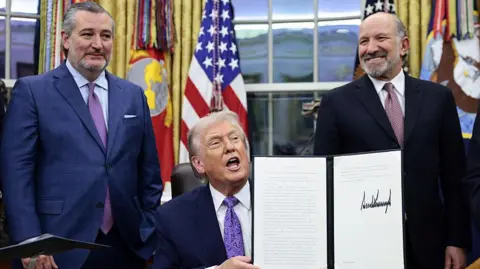
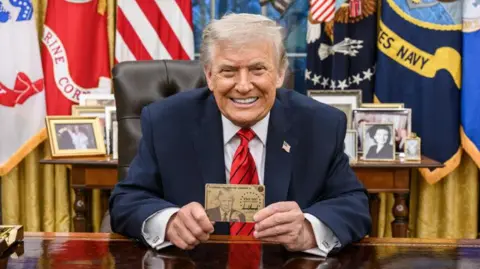
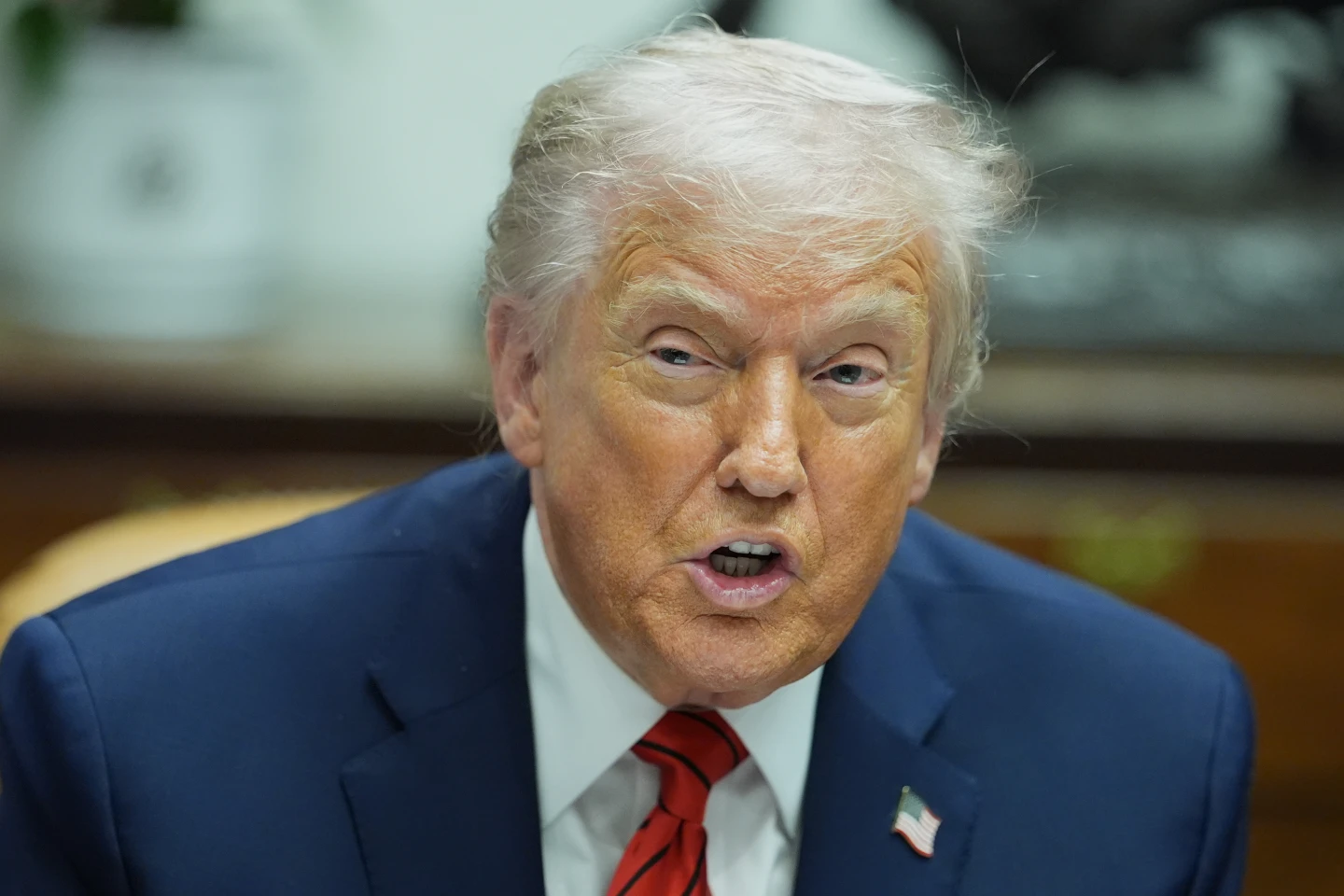
Trump expressed dissatisfaction with the pace of diplomatic efforts aimed at achieving peace, noting the tragic toll of the conflict in his recent statements. He called upon Russia to "get moving" to end the ongoing suffering, as “too many people are dying, thousands a week, in a terrible and senseless war.” Concurrently, Trump’s Ukraine envoy, Keith Kellogg, faced backlash for comments regarding the potential partitioning of Ukraine, which he later clarified on social media, stating he was advocating for a post-ceasefire support force rather than any division.
With European defense ministers pledging €21 billion in military assistance to Ukraine, the conflict continues to draw international focus without signs of resolution. The Kremlin has tempered expectations, saying advancements in normalizing relations are gradual and dependent on outcomes from Witkoff's discussions.
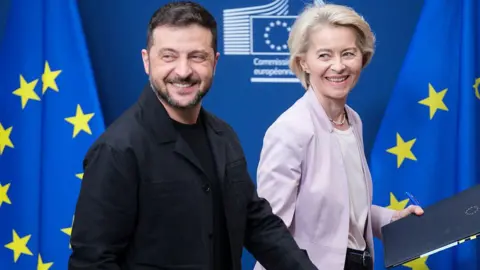
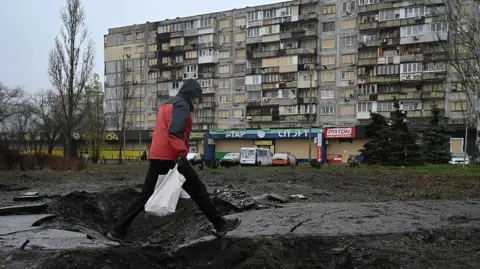
Amid the ongoing turmoil, Ukrainian President Volodymyr Zelensky visited the scene of a recent deadly missile strike in Kryvyi Rih, which claimed numerous innocent lives, including children. Zelensky accused Russia of extending the conflict, even alleging the involvement of Chinese nationals in the fighting. As he laid tributes to the victims, he reiterated calls for enhanced air defense systems from the U.S. to protect Ukrainian cities from attacks.
With rising tensions, Trump's earlier assertions that he could resolve the Ukraine-Russia conflict within 24 hours stand in stark contrast to the reality of the negotiations, as both Washington and Moscow grapple with delivering a tangible ceasefire agreement. This ongoing dialogue marks a critical juncture in the pathway to peace, amid continuous reports of military aid and strategic discussions among international allies.
Trump expressed dissatisfaction with the pace of diplomatic efforts aimed at achieving peace, noting the tragic toll of the conflict in his recent statements. He called upon Russia to "get moving" to end the ongoing suffering, as “too many people are dying, thousands a week, in a terrible and senseless war.” Concurrently, Trump’s Ukraine envoy, Keith Kellogg, faced backlash for comments regarding the potential partitioning of Ukraine, which he later clarified on social media, stating he was advocating for a post-ceasefire support force rather than any division.
With European defense ministers pledging €21 billion in military assistance to Ukraine, the conflict continues to draw international focus without signs of resolution. The Kremlin has tempered expectations, saying advancements in normalizing relations are gradual and dependent on outcomes from Witkoff's discussions.
Amid the ongoing turmoil, Ukrainian President Volodymyr Zelensky visited the scene of a recent deadly missile strike in Kryvyi Rih, which claimed numerous innocent lives, including children. Zelensky accused Russia of extending the conflict, even alleging the involvement of Chinese nationals in the fighting. As he laid tributes to the victims, he reiterated calls for enhanced air defense systems from the U.S. to protect Ukrainian cities from attacks.
With rising tensions, Trump's earlier assertions that he could resolve the Ukraine-Russia conflict within 24 hours stand in stark contrast to the reality of the negotiations, as both Washington and Moscow grapple with delivering a tangible ceasefire agreement. This ongoing dialogue marks a critical juncture in the pathway to peace, amid continuous reports of military aid and strategic discussions among international allies.