In a stunning turn of events that spanned just 24 hours beginning Monday, Iran and Israel managed to reach a ceasefire after a series of military strikes and retaliations that deeply shook the Middle East. The buildup to this agreement has been fraught with chaos, highlighting a fragile balance of power that nearly tipped into wider conflict.
The tensions had been escalating since June 13, with Israel targeting Iran's military installations extensively, while Iranian missile strikes penetrated Israel's defenses. An emergency situation arose when the U.S. military base in Qatar faced credible threats from Iranian missiles. Following an advisory for U.S. citizens to "shelter in place," officials monitored the situation closely as air traffic over Qatar was promptly shut down.
Shortly after, explosions resonated over Doha, marking the commencement of missile defenses intercepting Iranian projectiles. Iran's Revolutionary Guards acknowledged their assault on U.S. targets, framing this as a response to American aggression regarding its nuclear facilities.
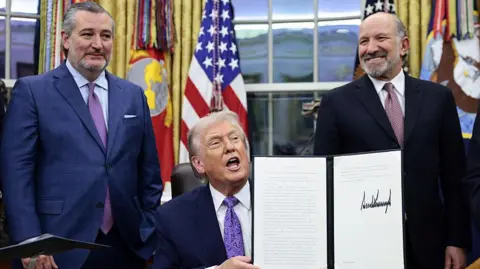
Despite the ensuing exchange of threats, the U.S. government began mediating negotiations. Within hours, President Trump acknowledged Iran's missile response, highlighting a shift from aggression to a desire for diplomacy. He hinted at a new chapter of peace and harmony in the region, showing an unexpected conciliatory attitude despite prior military escalations.
As talks intensified, Trump communicated with key leaders, including Israeli Prime Minister Netanyahu, signaling that it was time to cease hostilities. The momentum toward a ceasefire began to solidify, with reports emerging that an agreement was on the horizon. Trump took to social media, announcing a comprehensive ceasefire agreement had been reached, dubbed the "12 Day War."
However, as the ceasefire was declared, military actions continued, with Iran launching missiles at Israel, leading to further casualties. The Israeli government responded to provocations, affecting civilian areas, which complicated the ceasefire efforts.
Despite these violations, Trump reiterated the agreement's validity, expressing discontent with both parties for reigniting conflict when a diplomatic solution was close. As the situation developed, Trump urged calm, emphasizing the need for de-escalation to avoid further conflict.
In this volatile environment where military might converged with political resolve, the U.S. played a pivotal role in brokering a deal that could pave the way for stability in a historically tumultuous region. While the ceasefire may exchange immediate tensions for dialogue, the underlying issues between Iran and Israel remain unresolved, leaving many in anticipation of what comes next.
The tensions had been escalating since June 13, with Israel targeting Iran's military installations extensively, while Iranian missile strikes penetrated Israel's defenses. An emergency situation arose when the U.S. military base in Qatar faced credible threats from Iranian missiles. Following an advisory for U.S. citizens to "shelter in place," officials monitored the situation closely as air traffic over Qatar was promptly shut down.
Shortly after, explosions resonated over Doha, marking the commencement of missile defenses intercepting Iranian projectiles. Iran's Revolutionary Guards acknowledged their assault on U.S. targets, framing this as a response to American aggression regarding its nuclear facilities.
Despite the ensuing exchange of threats, the U.S. government began mediating negotiations. Within hours, President Trump acknowledged Iran's missile response, highlighting a shift from aggression to a desire for diplomacy. He hinted at a new chapter of peace and harmony in the region, showing an unexpected conciliatory attitude despite prior military escalations.
As talks intensified, Trump communicated with key leaders, including Israeli Prime Minister Netanyahu, signaling that it was time to cease hostilities. The momentum toward a ceasefire began to solidify, with reports emerging that an agreement was on the horizon. Trump took to social media, announcing a comprehensive ceasefire agreement had been reached, dubbed the "12 Day War."
However, as the ceasefire was declared, military actions continued, with Iran launching missiles at Israel, leading to further casualties. The Israeli government responded to provocations, affecting civilian areas, which complicated the ceasefire efforts.
Despite these violations, Trump reiterated the agreement's validity, expressing discontent with both parties for reigniting conflict when a diplomatic solution was close. As the situation developed, Trump urged calm, emphasizing the need for de-escalation to avoid further conflict.
In this volatile environment where military might converged with political resolve, the U.S. played a pivotal role in brokering a deal that could pave the way for stability in a historically tumultuous region. While the ceasefire may exchange immediate tensions for dialogue, the underlying issues between Iran and Israel remain unresolved, leaving many in anticipation of what comes next.