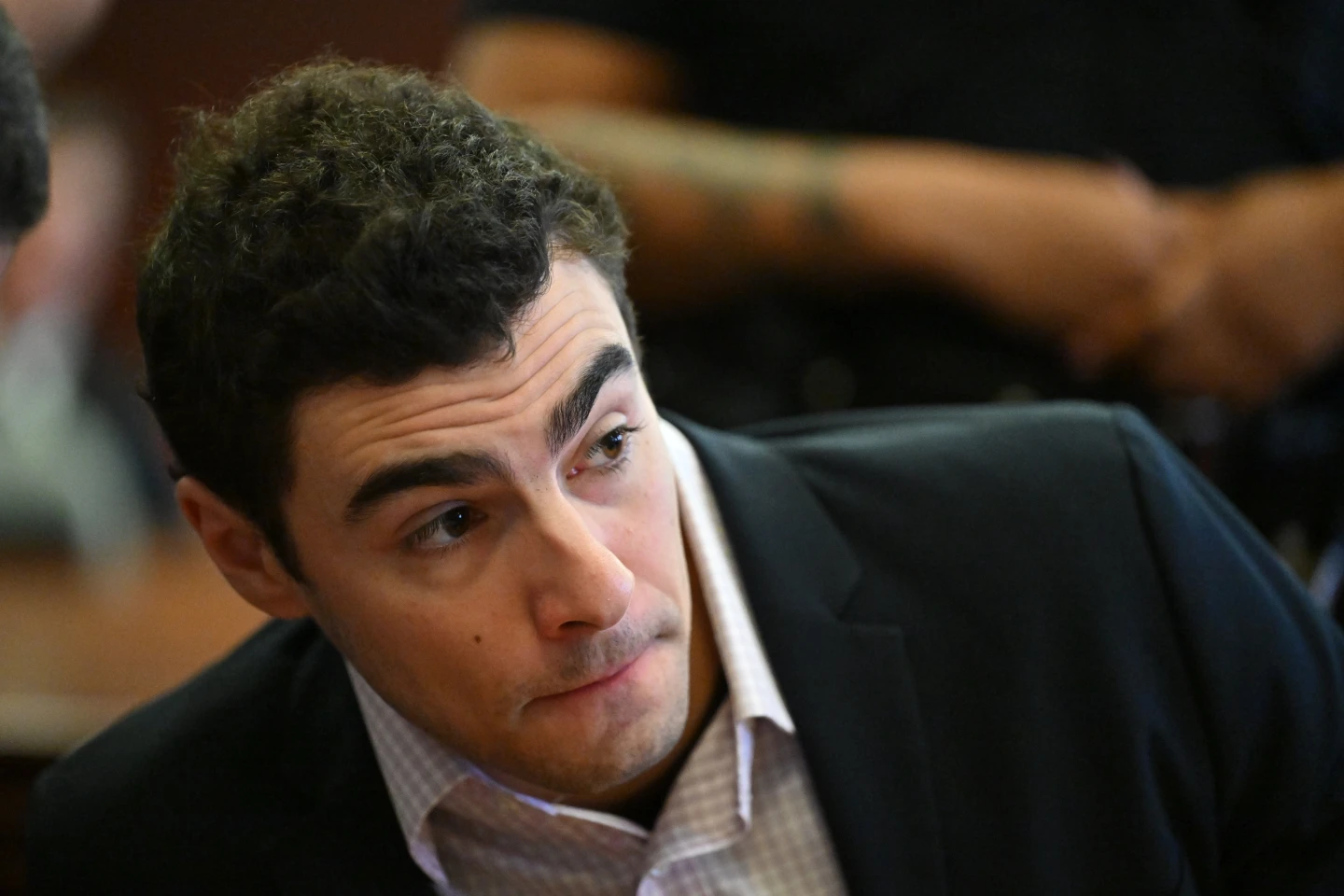
Mykhailo Viktorovych Polyakov, a 24-year-old US tourist, has come under scrutiny after allegedly attempting to make contact with the reclusive Sentinelese tribe on North Sentinel Island, part of the Andaman and Nicobar Islands. The action, which included filming his visit and leaving offerings such as a can of soda and a coconut on the shore, has been condemned by Survival International, an organization dedicated to advocating for the rights of tribal populations.
The charity labeled Polyakov’s actions as "deeply disturbing" and emphasized that they not only jeopardized his own safety but also the well-being of the isolated tribe, who lack immunity against external diseases. The Andaman and Nicobar police have detained him for three days to conduct further investigations. Police Chief HGS Dhaliwal confirmed how Polyakov attempted to attract the tribe's attention by blowing a whistle for about an hour before approaching the island.
Illegal for anyone, including foreigners, to travel within three miles of the island, authorities are treating this breach seriously. Reports indicate Polyakov had attempted to reach the island previously, showcasing a pattern of risky behavior. In his own words, he identifies as a "thrill seeker," a claim that raises further concerns about the motivations behind such encounters.
Survival International spokesperson Jonathan Mazower stressed the dangers posed by social media influencers, stating that societal fascination has grown around visiting uncontacted tribes. He highlighted that besides traditional threats like logging and mining, which often affect indigenous people, there is now a wasteful drive for social media exposure that can endanger tribes like the Sentinelese.
Living in isolation, the Sentinelese are among the most secluded on the planet, estimated to number around 200 individuals. This incident serves as a reminder of the necessity for robust governmental protections for uncontacted communities. Despite existing constitutional protections, India’s approach towards the welfare of tribal regions has faced criticism recently, particularly concerning unauthorized evictions of tribes.
This occurrence isn't the first of its kind; it recalls the unfortunate events of November 2018 when John Allen Chau, another American, was killed by the tribe after attempting to convert them to Christianity. Chau's endeavors were met with hostile resistance, underscoring the consistent danger that comes with outsiders encroaching on the tribe's autonomy.