In brief
Israeli border restrictions have led to a rapid increase in the cost of essential goods in Gaza, impacting the local population during a vulnerable time.
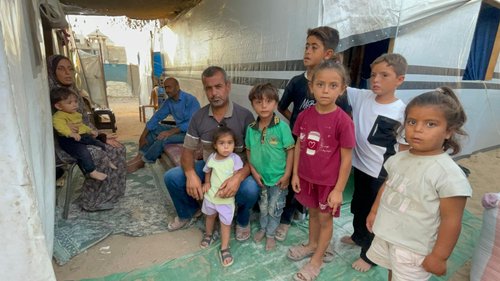
The latest development in the ongoing Israeli-Palestinian conflict has left many Gazans feeling the pinch as Israel imposes a blockade on the entry of goods and humanitarian assistance into the Gaza Strip. The move, which commenced after the expiration of a cease-fire that had paused hostilities for 15 months, is viewed by many Palestinians as a direct attempt to pressure Hamas into negotiating the release of hostages taken during the October 7 attacks in Israel.Iman Saber, 24, a nurse from northern Gaza, recounted her shock at the situation, living in a tent with her family as prices for daily essentials soar. “It was a complete shock,” Saber said, expressing her frustration as prices for sugar, oil, and chicken have surged in just a day. After a short-lived moment of hope for stable conditions, the rising prices are once again crippling local residents.The recent border closure came alongside an Israeli proposal for a conditional extension of the cease-fire, which would require Hamas to release half of the remaining hostages. However, many Gazans are grappling not only with a lack of aid, but also with the loss of access to commercial goods, leading to immediate adverse effects on their daily lives. The blockade coincides with Ramadan, a month typically marked by community and prayer, adding to the distress felt by those in the besieged coastal enclave.