In a dramatic return to Washington, President Trump departed the G7 summit early, citing the dire situation unfolding between Israel and Iran. "I'm working on something much bigger than a cease-fire," he remarked to reporters aboard Air Force One. Tensions have surged as Israeli forces announced the killing of an Iranian general amidst ongoing missile exchanges between the two nations. According to reports, casualties are mounting; over 200 lives have been lost in Iran due to Israeli strikes, with around 600 injured in retaliation on Israeli soil.
While Israeli officials advocate for U.S. military involvement, President Trump has remained ambiguous about potential American engagement, balancing pressures from allies and the need to prioritize national interests. "I want a real end, not just a cease-fire," he stressed, indicating that he desires Iran's total compliance, particularly regarding its nuclear ambitions.
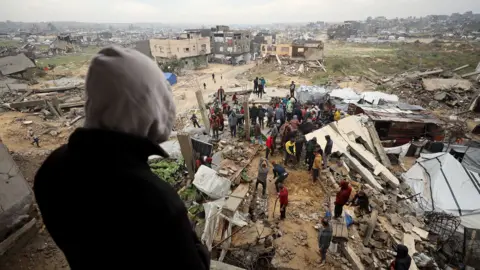
On the ground, civilians are bearing the brunt of the conflict. In Tehran, gas stations faced long lines as residents attempted to evacuate amid missile strikes, creating a chaotic environment where many expressed uncertainty about safe destinations. Despite increasing Iranian calls for dialogue, President Trump’s tough stance against Iran’s nuclear program creates a complicated diplomatic landscape.
As both nations brace for further military measures, the implications of this ongoing conflict raise questions about the future stability of the Middle East, highlighting the delicate balance President Trump must navigate between advocating for peace and addressing national security concerns.
While Israeli officials advocate for U.S. military involvement, President Trump has remained ambiguous about potential American engagement, balancing pressures from allies and the need to prioritize national interests. "I want a real end, not just a cease-fire," he stressed, indicating that he desires Iran's total compliance, particularly regarding its nuclear ambitions.
On the ground, civilians are bearing the brunt of the conflict. In Tehran, gas stations faced long lines as residents attempted to evacuate amid missile strikes, creating a chaotic environment where many expressed uncertainty about safe destinations. Despite increasing Iranian calls for dialogue, President Trump’s tough stance against Iran’s nuclear program creates a complicated diplomatic landscape.
As both nations brace for further military measures, the implications of this ongoing conflict raise questions about the future stability of the Middle East, highlighting the delicate balance President Trump must navigate between advocating for peace and addressing national security concerns.