In brief
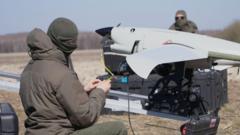
In a secluded test facility, the potential of Ukraine's cutting-edge drone, Raybird, underscores both the nation's ambition and the lingering threat of conflict. This long-range drone, capable of non-stop flights exceeding 1,000km, is designed for missions targeting critical infrastructures deep within Russia, such as oil refineries. Despite recent partial ceasefire agreements between Ukraine and Russia regarding energy infrastructure, skepticism abounds about Russia's commitment to uphold the terms, as Ukrainian officials express concerns over the nation's historical behavior in negotiations.
With recent strikes on significant Russian oil facilities contributing to a noticeable decline in the country's refining capabilities, the stakes remain high. Ukraine's defense capabilities continue to advance, with President Zelensky announcing the development of even longer-range drones and missile-drones that pose a significant challenge for Russian defenses. Meanwhile, Ukraine's own energy security remains precarious due to ongoing Russian assaults on power plants and gas storage facilities. Amid these uncertainties, Ukrainian engineers emphasize the importance of maintaining their weapon development efforts to counter future threats.Back in the testing grounds, as Raybird effectively demonstrates its capabilities, operators remain adamant: even with a ceasefire in sight, they must prepare for the possibility of renewed hostilities. "Our enemy just wants to have a break, gather its strength and attack again," a Skyeton representative warns, highlighting the necessity of vigilance and readiness in these uncertain times.Ukrainian engineers push forward with advanced drone technology as hopes for a lasting energy ceasefire hang in the balance.