Turkey and Israel have commenced talks to prevent conflicts between their troops operating in war-torn Syria, reflecting the escalating rivalry for power in the region. Official statements from both Turkish and Israeli governments confirmed that military and security officials met on Wednesday in Azerbaijan to discuss measures to prevent “undesired incidents” in Syria. Turkish Defense Ministry officials emphasized the importance of open communication, while Israeli Prime Minister Benjamin Netanyahu’s office reaffirmed the commitment to maintaining dialogue.
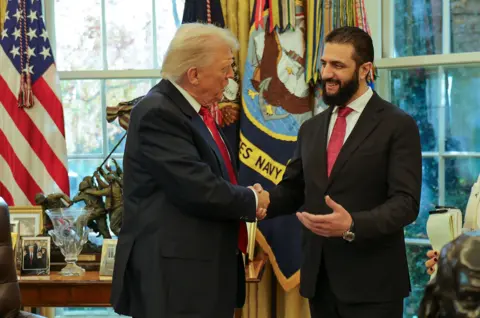
This meeting precedes a much-anticipated visit by Syria's new President Ahmed al-Shara, which is set to take place on Friday in Turkey, primarily focusing on security and military cooperation. Al-Shara is the leader of a rebel coalition that successfully toppled former President Bashar al-Assad in December, forcing a significant withdrawal of Assad's main backers, Russia and Iran. This power shift has led to increased competition between Turkey and Israel, both of which aim to establish their influence in the now fractured state of Syria.
Turkey has maintained an armed presence in northern Syria, supporting opposition forces and combatting Kurdish militias that it labels as terrorist threats. Reports indicate that Turkey has proposed to train a new Syrian army and modernize military installations, although the Syrian government has not publicly accepted or commented on this initiative.
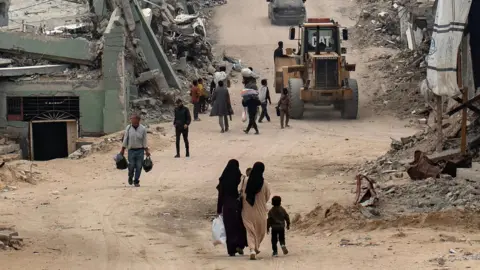
Since Assad's downfall, Israel has fortified its presence along the Golan Heights, extending beyond established buffer zones and conducting numerous airstrikes targeting Syrian military depots. The ongoing discord among regional powers has further complicated efforts to stabilize Syria, which continues to grapple with the devastating aftermath of 13 years of civil strife.
This meeting precedes a much-anticipated visit by Syria's new President Ahmed al-Shara, which is set to take place on Friday in Turkey, primarily focusing on security and military cooperation. Al-Shara is the leader of a rebel coalition that successfully toppled former President Bashar al-Assad in December, forcing a significant withdrawal of Assad's main backers, Russia and Iran. This power shift has led to increased competition between Turkey and Israel, both of which aim to establish their influence in the now fractured state of Syria.
Turkey has maintained an armed presence in northern Syria, supporting opposition forces and combatting Kurdish militias that it labels as terrorist threats. Reports indicate that Turkey has proposed to train a new Syrian army and modernize military installations, although the Syrian government has not publicly accepted or commented on this initiative.
Since Assad's downfall, Israel has fortified its presence along the Golan Heights, extending beyond established buffer zones and conducting numerous airstrikes targeting Syrian military depots. The ongoing discord among regional powers has further complicated efforts to stabilize Syria, which continues to grapple with the devastating aftermath of 13 years of civil strife.