
In brief
In Unity State, South Sudan, the combination of persistent flooding and oil pollution has left communities struggling for safe drinking water, leading to severe health risks and concerns over livestock conditions.
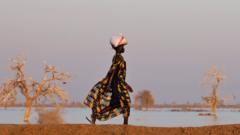
The water crisis unfolding in Unity State, South Sudan, highlights the dire consequences of climate-driven floods intermingling with pollution from oil extraction. Local herders, grappling with murky water sources laden with contaminants, describe their plight. "The water is dirty because this place has oil - it has chemicals in it," states Chilhok Puot, a community chief, echoing the sentiments of many who know the risks yet have no alternatives. According to former oil engineer David Bojo Leju, flooding has exacerbated water pollution in the region, which has faced years of unprecedented flooding that scientists attribute to climate change. As villages and grasslands remain submerged, the area has witnessed a concerning spread of toxic pollutants from mismanaged oil facilities, posing a "silent killer" threat to local communities. South Sudan, struggling with poverty and heavily reliant on oil revenue, has long dealt with seasonal flooding, but since extreme rains began in 2019, the situation has drastically worsened. The UN World Food Programme reports that two-thirds of Unity State once lay under water, a lingering crisis that currently leaves about 40% still submerged.Bojo Leju, who worked for the oil consortium Greater Pioneer Operating Company (GPOC), paints a grim picture of recurring oil spills and inadequate remediation efforts, recounting how contaminated water from oil production is reinjected into the environment without proper treatment. He underscores the risk of this polluted water flowing into local drinking sources, threatening both public health and livestock welfare.Reports of livestock dying due to a combination of flooding and oil pollution are staggering, with Unity State’s agriculture minister stating over 100,000 cattle have perished in two years. Additionally, anecdotal evidence from health professionals indicates alarming rates of congenital abnormalities, possibly linked to polluted water sources. Dr. Samuel Puot notes troubling cases of newborns with deformities, asserting that compromised health may stem from communities drinking from contaminated rivers.Local residents, such as those in the camps surrounding the state capital, Bentiu, find their lives deeply affected by this combination of climate change and industrial pollution. Many forage for alternative food and water, but unclean options lead to further health issues. The humanitarian response, including food aid and health care, is hampered by ongoing environmental challenges.Despite the grim situation, resilience shines through as locals cling to hopes of returning to traditional livestock and agricultural practices once the floods recede. The climate crisis, combined with a poorly managed oil industry, calls for urgent attention and accountability in South Sudan. Looking ahead, experts warn of the potential permanence of this intense rainfall pattern due to climate change, which threatens the future livability of South Sudan’s ecosystem. As the region braces for uncertain climatic shifts, the urgent need for comprehensive environmental oversight and adaptation strategies has never been clearer.
