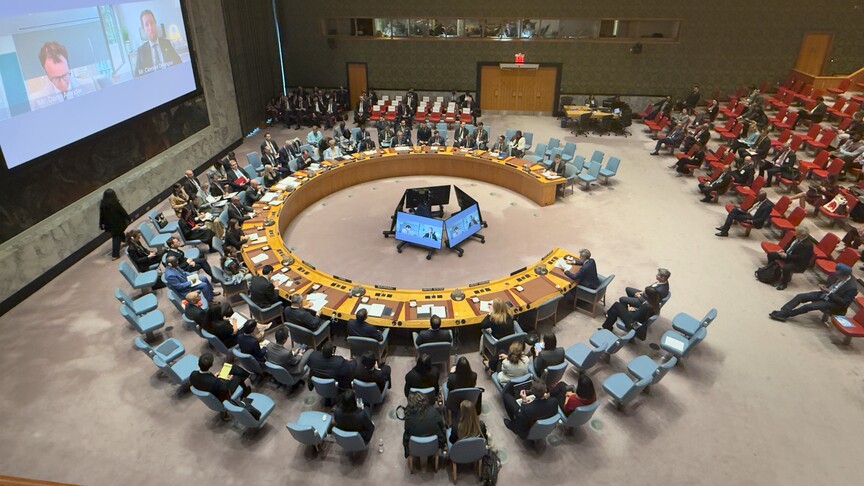
At the United Nations headquarters, Latvia’s Permanent Representative to the UN, Sanita Pavluta‑Deslandes, announced that Latvia’s first‑ever presidency will shift the Council’s focus to the peace and security implications of artificial intelligence (AI) and other emerging technologies. The agenda will include a high‑level ministerial open debate on “Conflict resolution in an era of rapid technological change” set for Nov. 24, as well as routine elements such as peacekeeping mandates and judicial elections.
She clarified that the Council will not seek to establish global AI regulatory frameworks during its presidency, noting that broader rulemaking falls under the United Nations General Assembly. Representatives from tech firms and AI companies will brief Council members, while an Informal Expert Group on emerging threats and technological change—jointly set up by Latvia and Greece and attended by ten Council members—will hold its inaugural session in November.
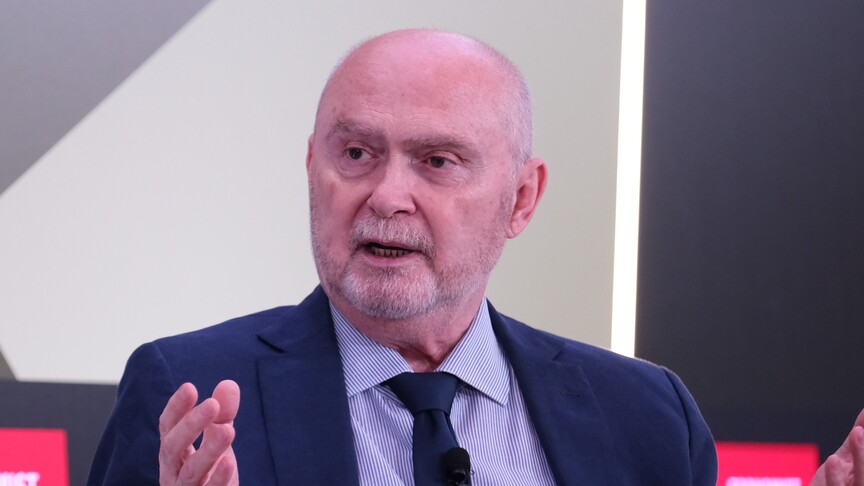
According to Pavluta‑Deslandes, the Council has received and circulated an official letter from Türkiye formally nominating Ambassador Feridun Sinirlioglu for the position of UN Secretary‑General. “Indeed, there has been an official letter from Türkiye on the nomination, addressed to the president of the security council and the president of the general assembly,” she said, adding, “It has been duly circulated, so the candidature is official.”
We believe that the issue of emerging technologies, including artificial intelligence, and their impact on peace and security, is a topic that will stay on the council's agenda.