In brief
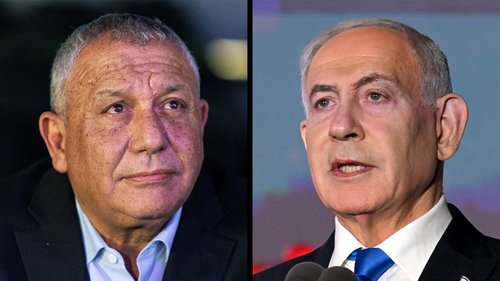
The announcement made by Hungary's Prime Minister Viktor Orban coincided with Israeli Prime Minister Benjamin Netanyahu's visit, who faces an arrest warrant from the ICC over serious allegations. This significant move has drawn attention to the ICC's authority and the challenges it faces in enforcing international law.
Formed under a 1998 treaty, the International Criminal Court (ICC) is the leading global tribunal for prosecuting severe crimes like genocide and war crimes. While it is comprised of 125 member states that have ratified the Rome Statute, the efficacy of the ICC depends on these countries’ commitment to uphold their legal obligations, including apprehending those indicted by the court. However, several nations, including Hungary, have voiced skepticism or outright opposition, potentially undermining the ICC's mission and its influence globally. In light of Hungary's decision, many are questioning the reach of the ICC and the future of international justice as political allegiances clash in an increasingly fragmented world.