In brief
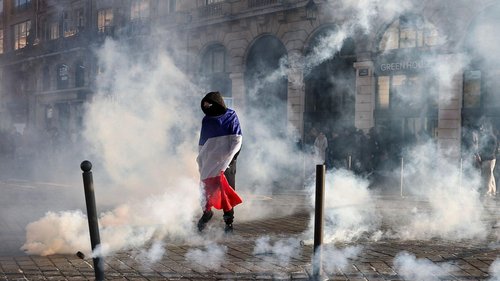
The former soccer star's rise to office comes amidst allegations of electoral fraud and deepening political crisis.
In a significant political shift, Georgia inaugurated a new president on Sunday, as Mikheil Kavelashvili took the oath of office in Tbilisi amid a backdrop of controversy and promises of a more cautious approach to governance. Kavelashvili, a conservative and former soccer star, replaces a predecessor who aimed to foster closer ties with Europe. The ceremony was notably empty, reflecting the absence of representatives from four opposition parties who boycotted the event in protest of accusations of election fraud during the October parliamentary elections.Kavelashvili's inauguration is emblematic of Georgia's departure from its historically pro-West stance, with many observers now suggesting an alignment with Russia and China. In his inaugural speech, he urged caution in confronting challenges and emphasized the importance of thoughtful decision-making over emotional responses. The political climate turned even more turbulent this past week when the U.S. imposed sanctions on Bidzina Ivanishvili, viewed as Georgia’s powerful shadow leader and the founder of the ruling Georgian Dream party.This political crisis in Georgia has deepened notably with the government's announcement to suspend negotiations for EU membership until 2028, a move that has sparked widespread disappointment among its citizens, who have long aspired for closer integration with Europe. As the country stands at this crossroads, the implications of Kavelashvili's presidency could have lasting effects on Georgia's international affiliations and internal stability.