As the clock struck dawn, a national moment of unrest was on the horizon in Zimbabwe. Citizens were invited to rise up against President Emmerson Mnangagwa, calling for a movement steeped in liberation and change. The protesters, chiefly represented by disgruntled war veterans, had hoped to demonstrate their discontent over allegations of corruption and power retention associated with Mnangagwa's leadership.
However, the expected flood of demonstrators failed to materialize, with many opting for silence rather than defiance. The streets of Harare and other towns resonated with an uncanny stillness as most businesses shuttered their doors while fearful residents remained at home, avoiding the potential tumult that could arise.
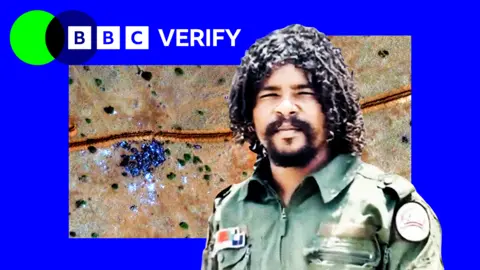
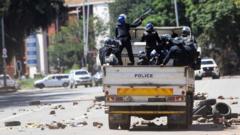
Those who attempted to gather were met with a robust police presence, including units equipped with teargas, which was employed to disperse minuscule crowds. Protest leader Blessed Geza, frustrated by the turnout, made calls through social media urging fellow Zimbabweans not to shy away from standing against perceived injustices.
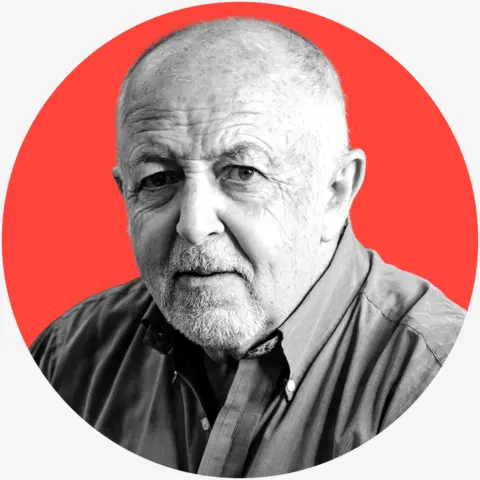
In light of this lackluster turnout, members of the ruling Zanu-PF party contended that the narrative being spun on social media did not align with the reality on the ground. Political scholar Ibbo Mandaza, however, posited that the situation represented a significant political statement regardless of the limited physical demonstrations.
Amidst the atmosphere thick with tension, many residents communicated their concerns over reported ambitions by President Mnangagwa to extend his current term until 2030, eliciting varied reactions within the populace. Analysts noted a shared anxiety regarding the potential for civil unrest to fracture an already delicate country.
The atmosphere now hangs heavy with uncertainty as Zimbabweans navigate this pivotal moment, with figures from various sectors, including clergy, urging for caution to prevent the nation from spiraling into violence. As discussions around leadership and national stability linger, activists remain vocal about their demands for a change in governance amid a tense political landscape.
However, the expected flood of demonstrators failed to materialize, with many opting for silence rather than defiance. The streets of Harare and other towns resonated with an uncanny stillness as most businesses shuttered their doors while fearful residents remained at home, avoiding the potential tumult that could arise.
Those who attempted to gather were met with a robust police presence, including units equipped with teargas, which was employed to disperse minuscule crowds. Protest leader Blessed Geza, frustrated by the turnout, made calls through social media urging fellow Zimbabweans not to shy away from standing against perceived injustices.
In light of this lackluster turnout, members of the ruling Zanu-PF party contended that the narrative being spun on social media did not align with the reality on the ground. Political scholar Ibbo Mandaza, however, posited that the situation represented a significant political statement regardless of the limited physical demonstrations.
Amidst the atmosphere thick with tension, many residents communicated their concerns over reported ambitions by President Mnangagwa to extend his current term until 2030, eliciting varied reactions within the populace. Analysts noted a shared anxiety regarding the potential for civil unrest to fracture an already delicate country.
The atmosphere now hangs heavy with uncertainty as Zimbabweans navigate this pivotal moment, with figures from various sectors, including clergy, urging for caution to prevent the nation from spiraling into violence. As discussions around leadership and national stability linger, activists remain vocal about their demands for a change in governance amid a tense political landscape.