In a significant diplomatic effort, Ukraine is dispatching its largest-ever delegation to the National Prayer Breakfast in Washington, D.C., as part of an initiative to reinforce U.S. support against Russian aggression. This high-profile gathering brings together influential Christian leaders, including Ukrainian pastors, members of Parliament, and military chaplains, who seek to communicate a crucial narrative: the preservation of religious freedom is vital for continuing U.S. aid to Ukraine.
Scheduled for February 6, 2025, the National Prayer Breakfast has been a pivotal event in Washington since 1953, inviting an eclectic audience of politicians, religious figures, and business leaders to build alliances and influence policy. While the gathering welcomes representatives from all faiths, its mission remains centered on "gathering together in the Spirit of Jesus of Nazareth."
The Ukrainian delegation's message emphasizes that a continuation of Russian advances could lead to the further repression of various Christian denominations. This includes systematic destruction, looting of churches, and the detention of clergy—activities that have been documented by rights organizations in regions under Russian occupation.
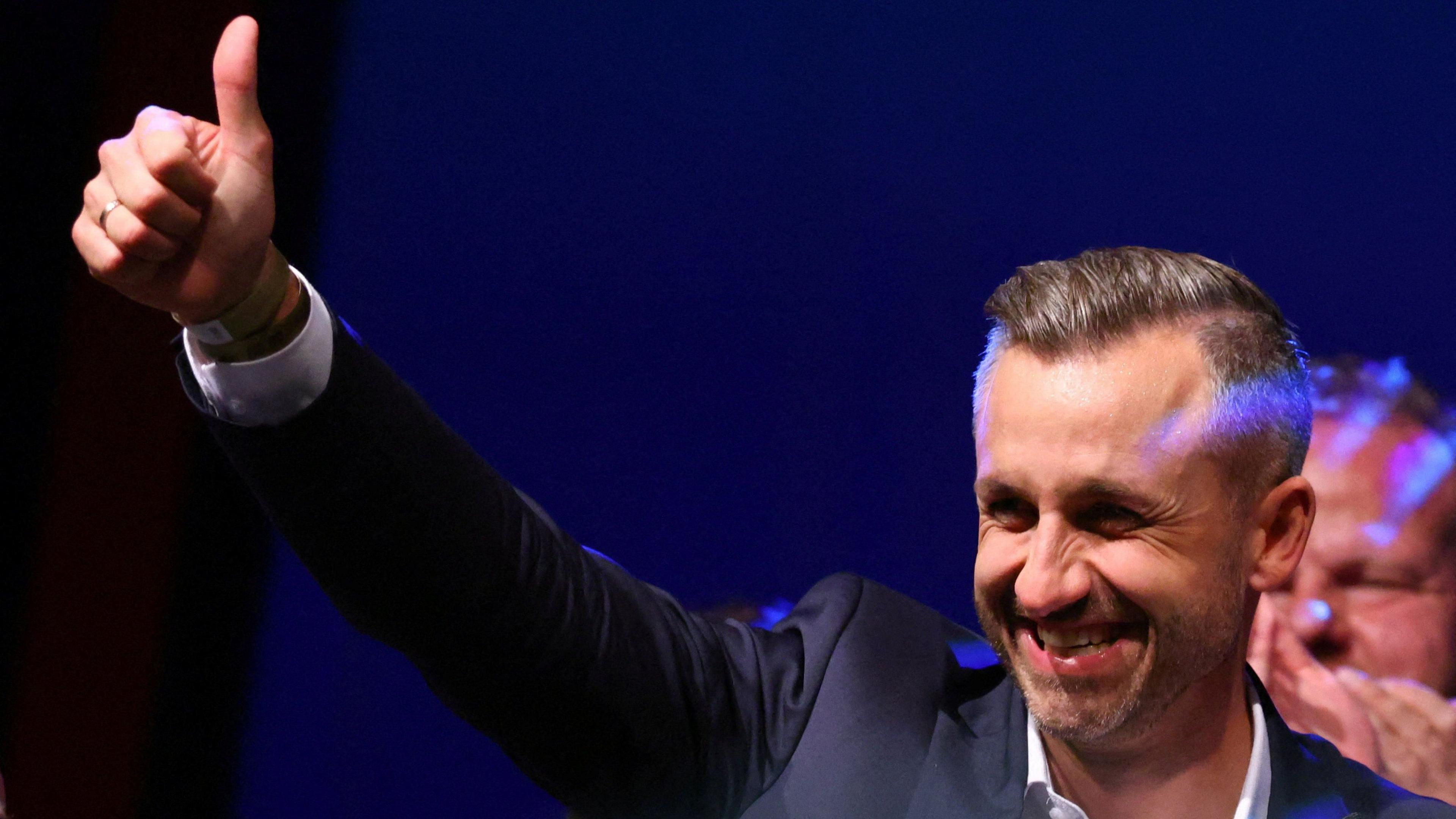
"Russia doesn’t just kill people, doesn’t just destroy our cities — Russia also destroys and bans religious communities," stated Roman Lozynskyi, a member of Parliament from the opposition Holos Party and a member of the Greek Catholic Church. He recounted the distressing tale of a Greek Catholic priest who was expelled from the Russian-occupied city of Melitopol, illustrating the religious suppression faced by congregations under Russian control.
As Ukraine strengthens its calls for international support, leaders hope to evoke a robust response from American officials that prioritizes the defense of religious liberties and the integrity of Ukraine's diverse cultural heritage amidst ongoing hostilities.
Scheduled for February 6, 2025, the National Prayer Breakfast has been a pivotal event in Washington since 1953, inviting an eclectic audience of politicians, religious figures, and business leaders to build alliances and influence policy. While the gathering welcomes representatives from all faiths, its mission remains centered on "gathering together in the Spirit of Jesus of Nazareth."
The Ukrainian delegation's message emphasizes that a continuation of Russian advances could lead to the further repression of various Christian denominations. This includes systematic destruction, looting of churches, and the detention of clergy—activities that have been documented by rights organizations in regions under Russian occupation.
"Russia doesn’t just kill people, doesn’t just destroy our cities — Russia also destroys and bans religious communities," stated Roman Lozynskyi, a member of Parliament from the opposition Holos Party and a member of the Greek Catholic Church. He recounted the distressing tale of a Greek Catholic priest who was expelled from the Russian-occupied city of Melitopol, illustrating the religious suppression faced by congregations under Russian control.
As Ukraine strengthens its calls for international support, leaders hope to evoke a robust response from American officials that prioritizes the defense of religious liberties and the integrity of Ukraine's diverse cultural heritage amidst ongoing hostilities.