In brief
After successive glide bomb and drone strikes hit Zaporizhzhia, thousands of civilians endure the terror of being attacked whenever they wake. The mayor and residents are adaptively building new shelters, installing anti‑drone nets, and applying shatter film to protect windows. Military engineers report a surge in sophisticated first‑person‑view drones that escape earlier jamming tactics, allowing Russia to strike even distant targets. Despite Ukrainian forces pushing troops back by a few kilometres, the city remains a flashpoint for ongoing attacks and civil unrest. In the face of these threats, residents like Anna Holovchenko continue to live ordinary lives with an ever‑present fear, hoping for victory and the end of the deadly attacks.
On a July morning at five, residents of Zaporizhzhia were woken by the echo of glide bombs deploying over the outskirts of their city. Within an hour, drones swarmed Above Anna Holovchenko’s apartment, prompting an attempt by Ukrainian air defences to intercept them. The city, only 24km from the front line, quickly found itself subjected to repeated onslaughts on schools, offices, buses and residential buildings.
Acting mayor Regina Kharchenko recounted an intense raid where she took refuge in a toilet because a “big bang” from a crashed Shahed drone shattered the nearby street. The mayor disclosed that the city council convened underground, underscoring the rising threat to civilians, private vehicles and even children.
To deter casualties, authorities have begun installing anti‑drone nets over critical infrastructures and applying shatter‑film to windows in schools, hospitals and public buildings. Yet even with these measures in place, residents like Anna still ruminate over what it feels like to live beneath a ceaseless bombardment, showing both resilience and fear.
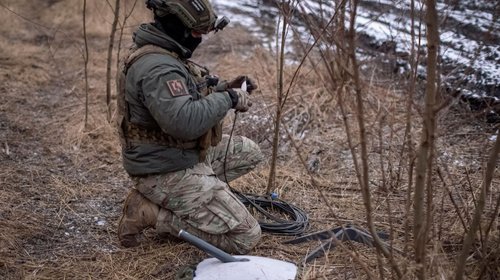
Military analysis explains the spike in attacks: Russian forces now deploy longer‑range mothership drones that drop smaller first‑person‑view minutes to bypass earlier jamming methods. Mesh networking helps the drones maintain radio links over extended distances, enabling them to strike targets previously out of reach.
Despite Ukrainian forces pushing Russian troops south of the city, local civilians remain largely stationary. Authorities intercepted 884 Russian drones during the last week of June, and with strategic strikes on Russian logistics in occupied territories, progress on the front line has slowed. Yet the threat of shelling and drone strikes continues to loom, leaving hundreds of thousands of residents grappling with the balance between staying home and seeking safety.
Anna, an IT specialist, persists in her daily routine, yet she does not want Zaporizhzhia to become yet another decimated city. She reports the constant anxiety but also underscores the resilience that keeps the city holding on, fighting for survival until they secure a final victory.