
In brief
Milwaukee County Circuit Judge Hannah Dugan's trial for obstruction and concealing an individual to prevent arrest commenced, with opening statements from prosecutors outlining their evidence. Dugan is accused of aiding a Mexican immigrant, Eduardo Flores-Ruiz, in evading federal immigration agents. She faces up to six years in prison if found guilty. The trial reflects ongoing tensions surrounding immigration enforcement under the Trump administration. Dugan maintains her innocence, citing courthouse guidelines during the arrest incident.
MADISON, Wis. (AP) — Federal prosecutors were set to start presenting their case Monday against a Wisconsin judge accused of helping a Mexican immigrant evade federal authorities.
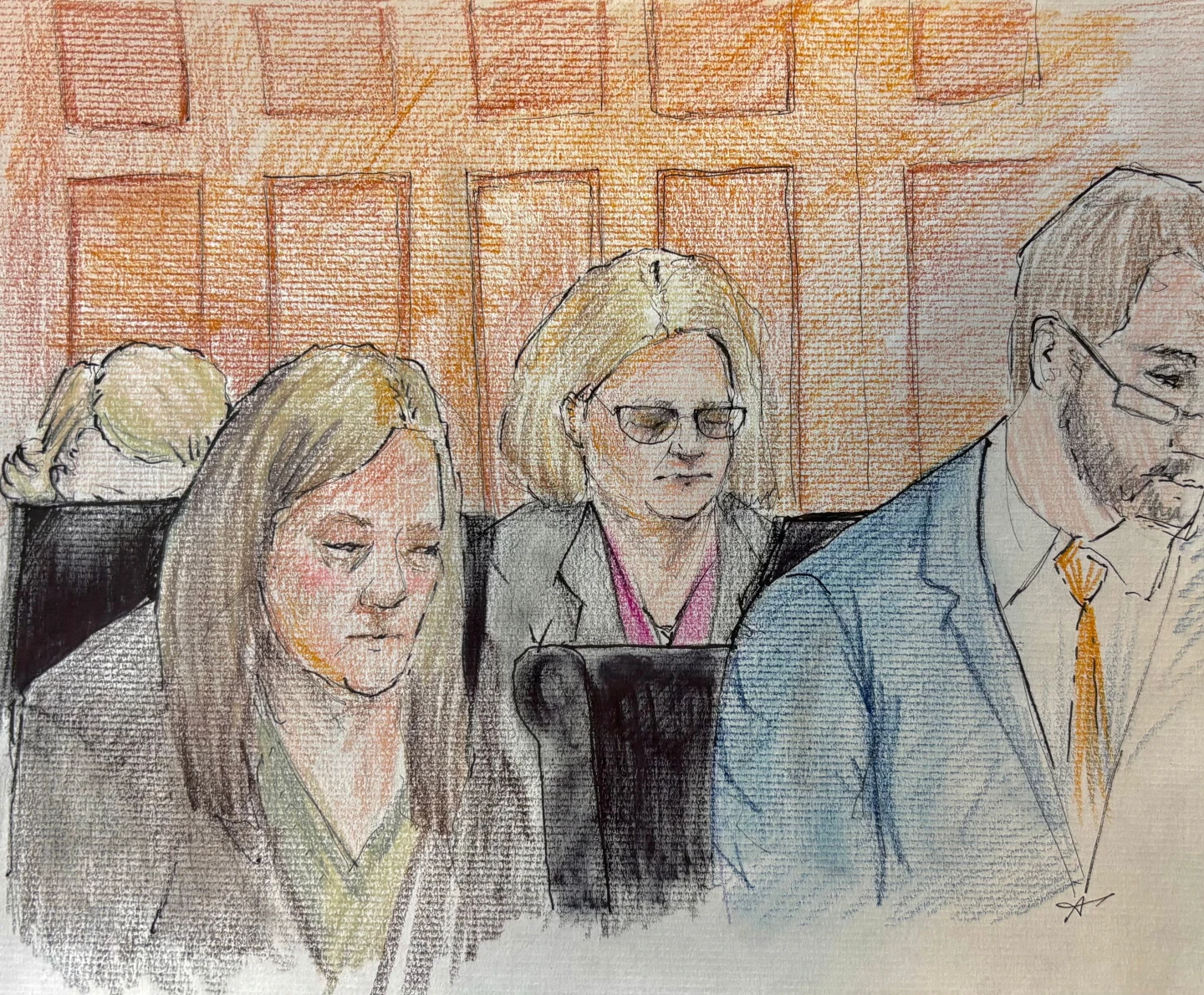
Milwaukee County Circuit Judge Hannah Dugan’s trial on obstruction and concealment charges began with opening statements from lawyers followed by testimony from government witnesses. The prosecution expects to call about two dozen witnesses throughout the trial, running through at least Thursday. Dugan faces up to six years in prison if convicted on both counts.
The prosecution’s case is part of a broader response to President Trump's strict immigration policies, with Republican U.S. Rep. Tom Tiffany calling for severe consequences for Dugan via social media.
Democrats argue that the prosecution is an attempt to intimidate judges opposing Trump's immigration policies. Dugan reported finding threatening flyers at her home earlier this year.
According to an FBI affidavit, Dugan is accused of obstructing immigration agents when they attempted to arrest Eduardo Flores-Ruiz, who had a pending battery charge before her court. On the day of his scheduled hearing, agents were instructed to wait outside, after which Dugan allegedly led Flores-Ruiz out through a back door into a public corridor, allowing him to evade capture.
Flores-Ruiz was arrested after a foot chase and was later deported after pleading no contest to the charges against him.
Dugan, suspended from the court, argues that she was adhering to courthouse protocols intended to protect individuals from immigration arrests in nonpublic areas.
The outcome of this trial could have significant implications for the ongoing discourse on immigration enforcement and judicial independence in the United States.

