In brief
Scientists predict the upper stage of a January 2025 SpaceX Falcon 9 launch will collide with the Moon on 5 August 2026, creating a new crater around 56 ft wide near Einstein Crater. The impact will loft a dust plume up to 50 km, providing a unique opportunity to study lunar surface material. NASA and ground‑based telescopes will monitor the event, and amateur astronomers may see a flash. This accidental collision also underscores the growing problem of space debris in Earth orbit.
On Wednesday, 5 August 2026, the upper stage of a SpaceX Falcon 9 rocket launched in January 2025 will hit the Moon. NASA’s Centre for Near‑Earth Object Studies has flagged the accidental collision and will track the impact in real‑time.
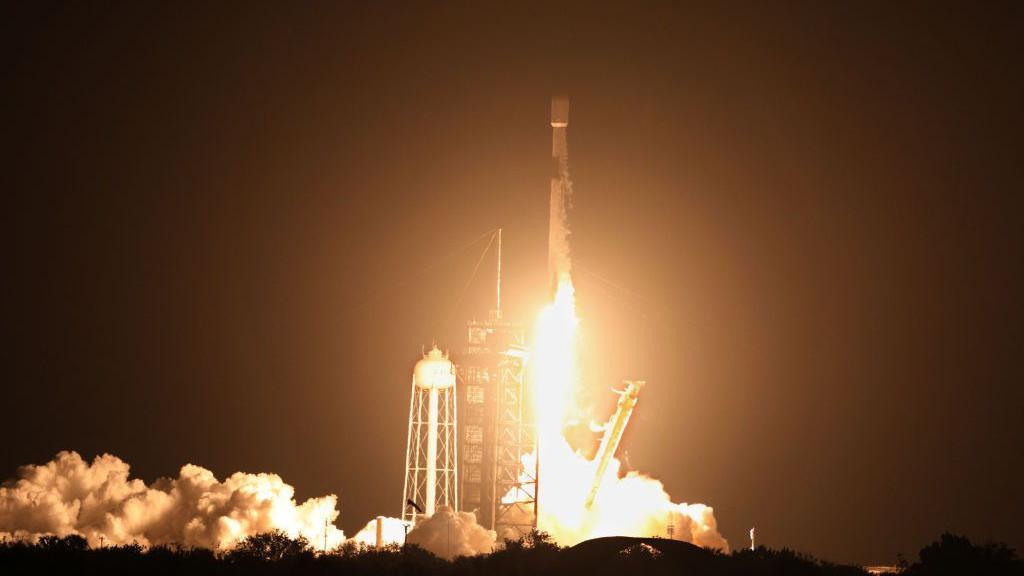
The collision will create a crater roughly 56 ft (17 m) wide near Elon Schwinger's Einstein Crater, a site visible from Earth during daylight. NASA’s Lunar Reconnaissance Orbiter and South Korea’s Danuri probe will monitor the flash and the dust plume, which could rise 50 km into space.
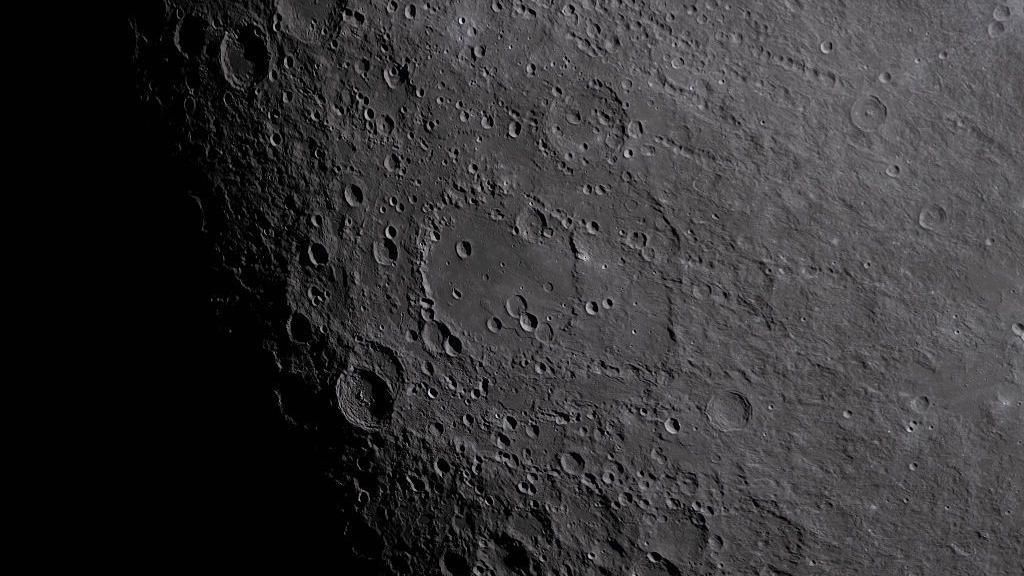
Amateur and professional astronomers alike will try to capture the moment with telescopes, hoping to observe the brief flash that will appear on the lunar surface. While the impact will not be seen by the naked eye, it will offer an unprecedented live laboratory to study how a solid body behaves when struck on a body lacking atmosphere.
The event also serves as a stark reminder of the growing problem of space debris. With more than 54,000 objects larger than 10 cm orbiting Earth, the risk of collisions and cascading breakup events rises. The accidental crash demonstrates why long‑term sustainable practices are essential for future space exploration.