In brief
Vultures are vanishing from many African skies, yet in Awka-Etiti, Nigeria, a community led by Chukwuemeka Igwe – nicknamed the Vulture King – defends the birds from local hunters and smuggler threats. By offering animal sacrifices at a sacred shrine and reallocating national laws, the village has seen its vulture counts rise from twenty to more than one‑hundred‑and‑sixteen in a few years. Scientists warn that loss of vultures could boost disease risks such as anthrax and rabies, but the community’s success shows that conservation can work when locals understand the ecological value of these scavengers. The story highlights the broader crisis of vulture decline across Africa, driven by hunting, poisoning and habitat loss, and points to the need for stronger enforcement and community education nationwide.
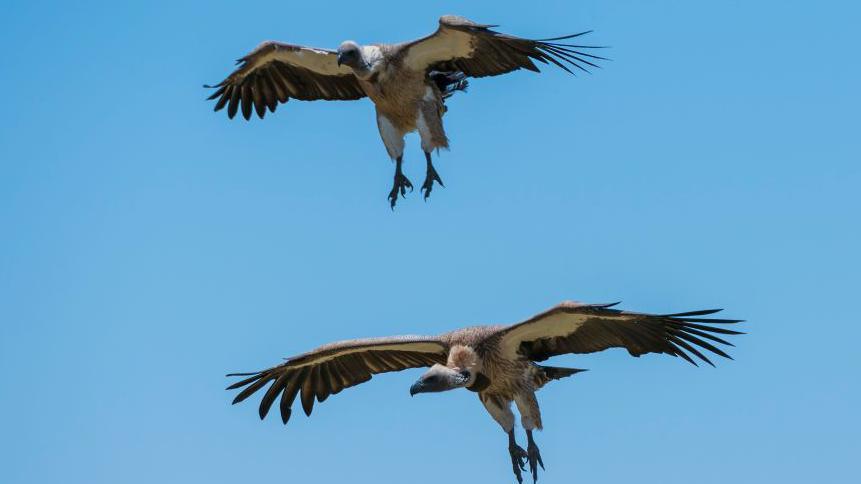
Vultures are vanishing from many African skies, yet in Awka‑Etiti, Nigeria, a community led by Chukwuemeka Igwe – nicknamed the Vulture King – defends the birds from local hunters and smuggler threats.
Through the sacred shrine of the deity Nguma, residents offer animal sacrifices that attract vultures. The practice, guided by the “When you put down a sacrifice and you do not see vultures, know that something happened in the spirit world” adage, has turned the town into a safe haven for the species.
Over the past six years, the Nigeria Conservation Foundation and local volunteers have counted more than one‑hundred‑and‑sixteen vultures, up from about twenty in 2017. Their numbers are still threatened by hunters who follow the smell of livestock carcasses, but the village now patrols the forest and petitions the national customs service to clamp down on smuggling.
Scientists warn that the disappearance of vultures can create reservoirs of disease such as anthrax and rabies, because these scavengers consume infected carcasses rapidly and neutralise pathogens with stomach acids.
The case in Awka‑Etiti shows how community education and protection can counter the larger trend of vulture decline across Africa, where hunting, poisoning and habitat loss eliminate slow‑reproducing species. The Vulture King’s story is a hopeful reminder that conservation can succeed when locals recognise the importance of nature’s cleaners.