The battle on the front lines continues, but a new fight is emerging on the streets of Ukraine: violence against draft officers and conscription squads. Soldiers, many of whom have already seen the horrors of war, are now being assaulted in a country that struggles to fill its army, earning uncomfortable calls to "everyone’s afraid to die".
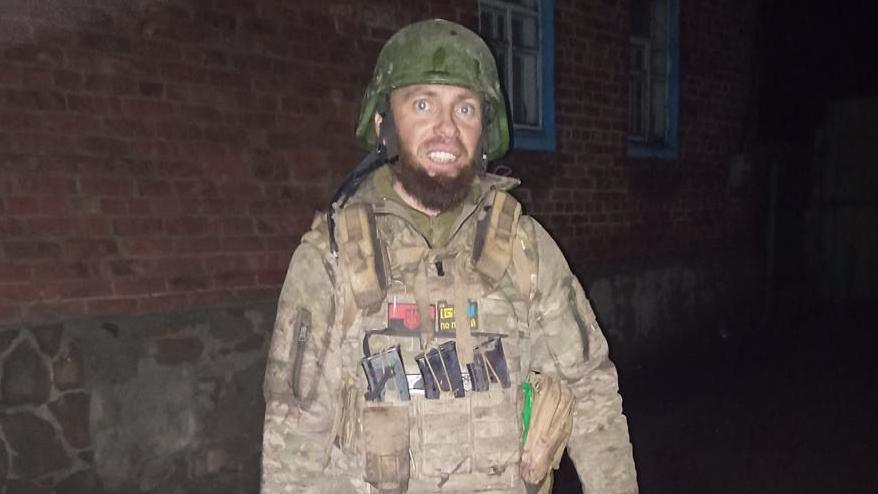
Vasyl Krupych, a seasoned machine‑gunner from the eastern Donbas, recalls a brutal encounter last December. While on a patrol to locate draft‑dodgers, two men ignored his demand for identification and fled. The chase ended with Krupych beaten with a crowbar, suffering broken ribs and spending six weeks in hospital. He asks, "What did we fight for if soldiers can now be beaten?"
The Ukrainian Military Ombudswoman reports that such attacks have become routine, describing them as a "major problem". The National Police Service counted over 600 assaults on recruitment officers, while the Human Rights Commissioner tallied more than 6,000 complaints of abuse from recruiters. Case after case points to a culture where enforcement turns into intimidation.
Local politics have mixed implications. After President Volodymyr Zelensky opened a new front by removing Defence Minister Mykhailo Fedorov, protests erupted. The fallout left reforms stalled and conscription reforms grinding to a halt. With no acting minister to steer the sector, clarity on how to make conscription fair and painless is missing.
One of the most controversial measures is the practice of "busification" – the hasty boarding of civilians onto buses to meet front‑line needs. According to former military analyst Ivan Stupak, this has led to street skirmishes when people resist being forced into service. The term itself, coined in Ukraine, captures how the system feels more punitive than proactive.
Not only draft‑officers suffer; recruiters are sometimes the victims. A university professor, exempt from service, was publicly beaten after refusing to comply with a plain‑clothed patrol. He endured multiple blows to the face and was dragged onto a bus, an incident that landed him in hospital for suspected neck injuries. His aged bruises, along with testimonies of others, paint a grim picture of ongoing physical and psychological abuse.
In light of these developments, the crisis of mobilisation has never felt more urgent. Military strategies are disrupted, troops are demoralised, and a shadow of fear looms over every citizen expected to serve. The path forward involves replacing the vacant minister, strengthening law enforcement around draft patrols, offering better pay for front‑line roles, and instituting psychological support for recruits. Without such reforms, the record of violence toward the men and women in stands for Ukraine risks turning from an anecdote into a full-blown humanitarian crisis.